
Not all umbrellas are created equal: Choose wisely
In a country where the sun is both a drawcard and a danger, stylish and reliable shade is essential.

The Bureau of Meteorology confirmed that the 2024–25 summer was Australia’s second hottest on record, with national temperatures averaging nearly two degrees Celsius above average. The heat isn’t letting up either; forecasts suggest that 2025 will continue to deliver above-average warmth, with winter also predicted to rank among the hottest on record.
Read the latest AccomNews print edition HERE
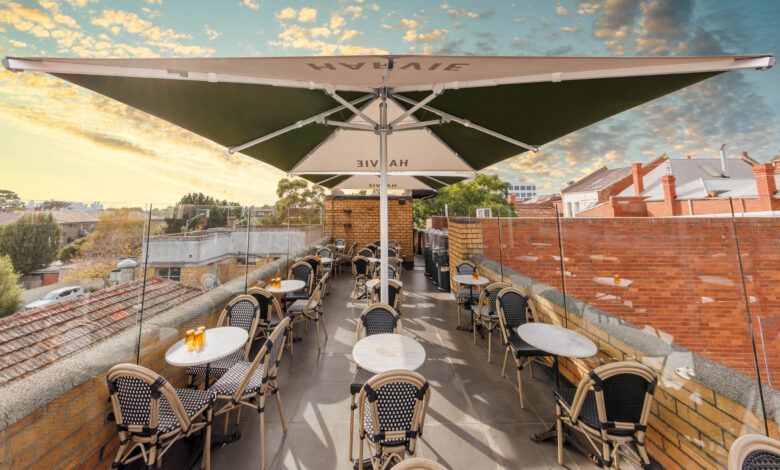
In this climate, premium shade solutions are transforming how hotels use their outdoor areas to provide comfort and enjoyment year-round. From rooftop bars to poolside retreats and al fresco courtyards, shade structures have moved beyond functional necessity to become integral elements of guest comfort, visual appeal and usability.
To learn more, AccomNews spoke with Instant Shade Umbrellas and Shade Australia.
How can shade solutions help hotels maximise under-used outdoor areas like rooftops, courtyards or pool surrounds?
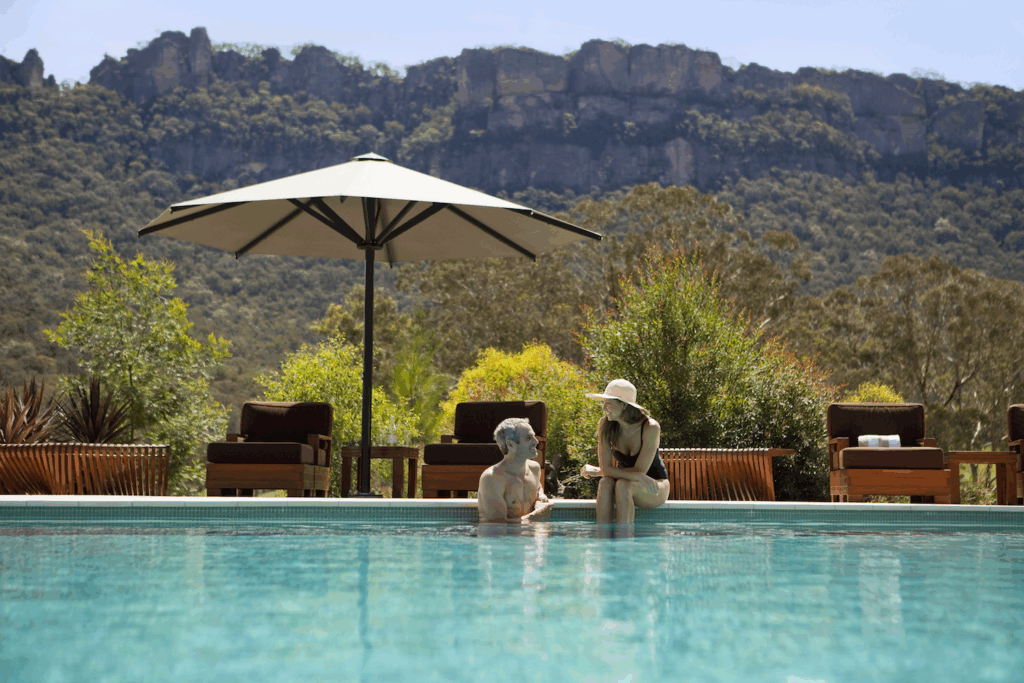
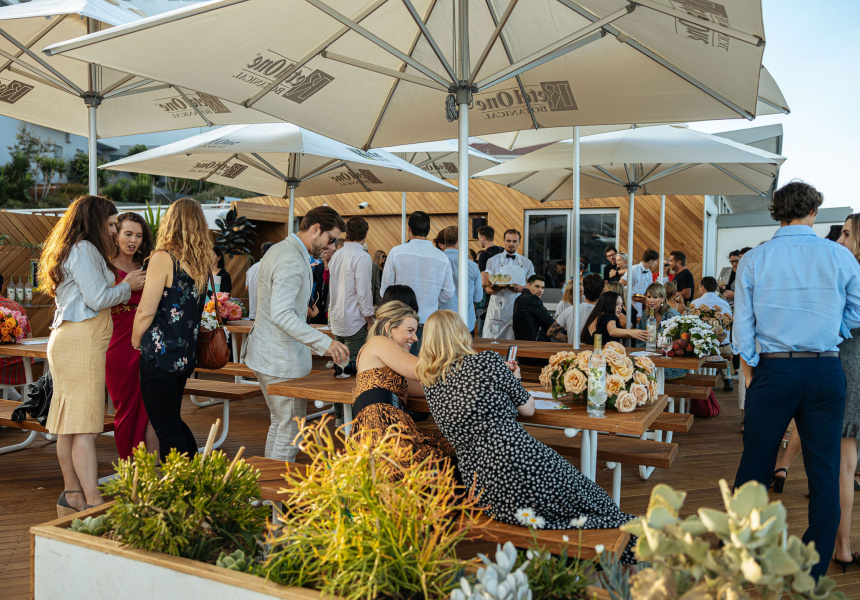
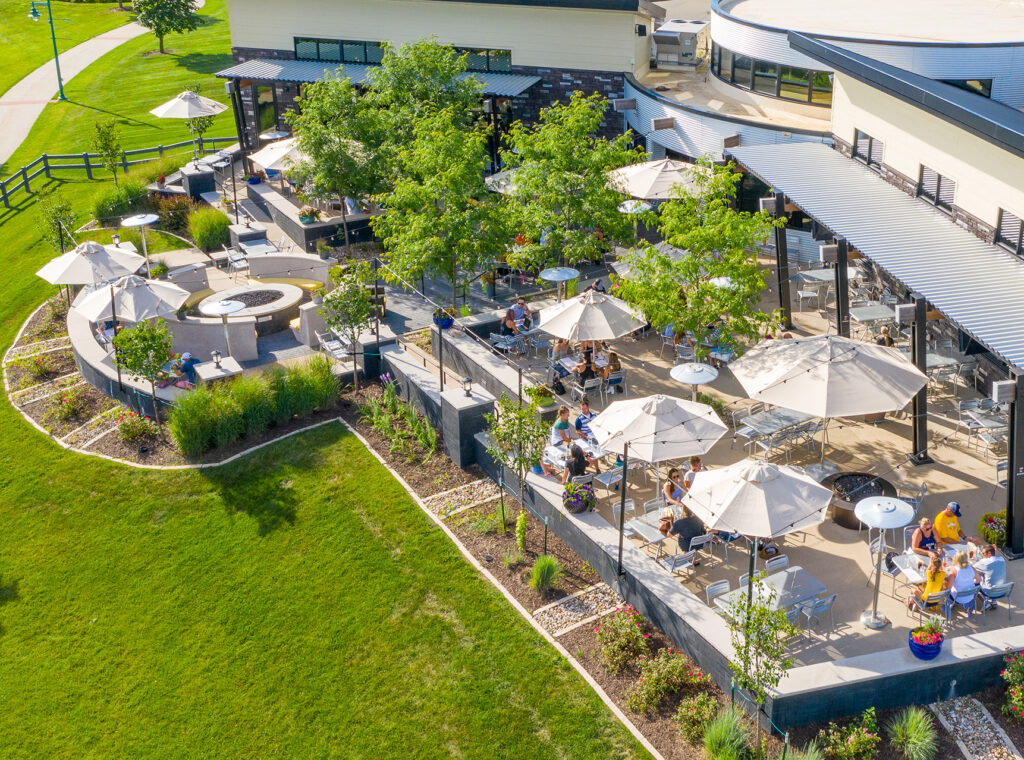
Michael Wloszczak, director, Instant Shade Umbrellas: A well-designed, commercial-grade shade solution can be a powerful asset for hotels wanting to revitalise and monetise underused outdoor spaces such as rooftops, courtyards, and pool surrounds. Rooftops can be converted into stylish lounges, bars or event spaces with large, elegant umbrellas that provide comfort and protection from the sun. Pool surrounds benefit from high-quality shade that reduces heat and UV exposure, making outdoor areas more inviting throughout the day. Courtyards can be transformed into vibrant café-style dining areas featuring umbrellas with built-in features like lighting or heating, which extend usability into the evening and cooler months.
Andrew McLeod, owner, Shade Australia: We saw this during COVID. Councils allowed cafés and restaurants to use additional space to promote outdoor dining and minimise close contact. Many venues ordered commercial-quality outdoor umbrellas and got greater use out of their allocated space. However, we heard feedback that some venues purchased umbrellas and bases from suppliers such as hardware outlets. These umbrellas often had no engineering certification, no UPF ratings and no commercial warranty. Unfortunately, that led to problems down the line for many operators.
The important point is to invest in products that are fit for purpose. That’s why going with a specialist retailer is a much better investment long term.
What emerging trends are you seeing in hotel outdoor shading?
Michael: After attending Salone del Mobile in Milan earlier this year, we’ve seen a shift towards neutral colour palettes, with shades like blush pink, natural linen, pistachio and light blue becoming more popular. Decorative additions, such as valances and fringing, were widely seen, along with domed canopy European-style beach umbrellas reminiscent of those found on the Amalfi Coast or French Riviera.
Andrew: We’ve noticed a trend in retro-style outdoor market umbrellas, including Greek-edge valances and alternative-coloured panels, mostly in pastel tones, using light but strong fibreglass frames. Cantilever umbrellas—where the pole is on the side and the canopy can be tilted, rotated or moved—are also huge. Customers love having that flexibility.
What factors determine the longevity of an umbrella in high-traffic or coastal hotel settings?
Michael: A truly commercial-grade umbrella for high-traffic or coastal environments should have engineering certification or a wind rating, giving peace of mind that it can withstand strong gusts. The frame must use weatherproof and corrosion-resistant materials such as marine-grade stainless steel, anodised aluminium, stainless steel cable and marine cord. If constructed from aluminium, the mast and rib profiles should have a minimum thickness of two millimetres, ideally with internal reinforcing extrusion for extra strength.
Umbrella canopies should be made from solution-dyed canvas to preserve colour and must be water-repellent, which is essential in humid or rainy climates. Additional durability comes from double-stitched seams and reinforced stress points. For maximum longevity, look for “awning-grade” canvas, which is thicker and heavier than “cushion-grade” materials.
Andrew: Cheap knock-offs of commercial umbrellas have flooded the market, but the quality doesn’t compare. One of the most common issues is fittings, cheaper umbrellas often use zinc bolts, which are prone to rust, especially in coastal conditions. For long-term durability, all components, including bolts and fixings, should be stainless steel to resist corrosion.
Fabric choice is another major factor. While most fabrics may look similar in-store, their real-world performance varies hugely. Commercial-grade umbrellas use acrylic canvas with an Ultraviolet Protection Factor (UPF) of 50+, providing superior protection and longevity. Cheaper models often use polyester fabric with a lower UPF of around 30, which fades, stretches and wears quickly.
What are some of the most common mistakes accommodation operators make when buying umbrellas—and how can they avoid them?
Michael: Accommodation operators often invest in outdoor umbrellas to enhance guest comfort and aesthetics, but several mistakes can compromise performance, increase costs or create safety risks. One is choosing residential-grade umbrellas for commercial use. Lightweight models aren’t built to endure high-traffic or harsh conditions. Operators should choose commercial-grade umbrellas designed for frequent use and weather exposure. Another common mistake is using inadequate bases. Even a high-quality umbrella will be unstable if the base is too small or light, increasing the risk of it tipping over or blowing away.
For maximum stability, fixed installations are often more reliable than moveable bases. Some operators prioritise looks over function without measuring their space or considering practical features. It’s crucial to choose the right size and shape for the intended area and to check features like tilt, rotation and ease of use. Doing a site assessment can help determine the best placement for sun coverage, guest flow and safety.
Finally, some operators underestimate the long-term return on investment—quality umbrellas cost more upfront but last longer, require fewer replacements and improve guest satisfaction. Choosing suppliers that offer comprehensive warranties and after-sales support ensures long-term value.
Andrew: Buying from a non-specialist retailer is one of the biggest mistakes commercial venues make because they’re buying a product that isn’t fit for purpose. It won’t have an engineer-certified wind rating, meaning it could tip over in a light breeze and, at best, break the umbrella or, at worst, injure a guest.
Fabrics with low UPF ratings are another cheap trick. They look the same but in summer, people under the canopy get sunburnt without realising. The fabric must be UPF 50. Walk around busy hospitality precincts like Darling Harbour and you’ll see it time and again—umbrellas designed for backyard patios being used in high-traffic public spaces. As a professional, I find it excruciating because it’s so dangerous and an accident waiting to happen.
This article first appeared in the Winter edition of AccomNews. Explore it HERE