

The power play: Cutting energy costs through smarter purchasing and solar solutions
Volatile costs have put energy costs, and how to cut them, at the front of many minds in the tourism and hospitality sector.

Energy has become one of the most significant and volatile operating costs for Australia’s tourism and hospitality sector. Hotels, resorts and holiday parks rely heavily on both electricity and gas to power core functions such as heating and cooling, lighting, refrigeration and commercial kitchens.
While this reliance is not new, the scale of recent price increases is. Utilities now account for an estimated six to ten percent of total operating costs, and even more for venues operating around the clock, with some operators reporting energy bill increases of up to 30 percent in recent years.
The latest print edition of AccomNews is out now. Read it HERE
For accommodation providers operating on tight margins, this volatility has sharpened focus on how and when energy is used. Rising power costs are no longer just an overhead but a key factor influencing operational decisions, budgeting and long-term planning across the sector.
At the same time, expectations around sustainability are continuing to grow. Guests are increasingly aware of environmental impacts, while investors and partners are placing greater emphasis on emissions reduction and efficiency. For many hospitality businesses, the combined pressure of rising energy costs and sustainability expectations is driving a reassessment of how energy is sourced, managed and integrated into day-to-day operations.
For insights from an industry leader, AccomNews spoke with Travis MacLachlan, Commercial Solutions Manager at Flow Power, and Amitay Smirra, Head of Project Management, at Zeus Renewables about how the changing energy market is affecting accommodation operators.
How has the energy market changed over the past year?
Travis MacLachlan: Over the past year, average wholesale electricity prices have increased across much of the National Electricity Market. Contributing factors include coal generator outages as ageing units approach retirement, transmission constraints and broader economic pressures. Energy affordability has become a prominent public and political issue, particularly in the lead-up to this year’s election.
For tourism and hospitality operators, where electricity can represent one of the largest operating expenses, this environment has driven growing interest in wholesale-linked electricity plans that reward flexibility. Businesses are increasingly examining how shifting energy use to lower-priced periods, often during the day when renewable generation is high, can improve price outcomes.
Over the last 12 months, adoption of enabling technologies such as demand response systems, energy monitoring tools and battery storage has accelerated. These tools are supporting a move away from traditional long-term, fixed electricity contracts towards more dynamic, whole-of-business energy strategies aligned with market conditions and operational needs.
Related AccomNews article: Going green for a gold star reputation
How is this changing energy market affecting tourism and hospitality businesses, and what should operators be paying attention to?
Travis MacLachlan: Rising volatility has increased cost uncertainty, particularly for energy-intensive operations such as hotels, resorts and large venues. At the same time, the transition in the energy market is creating opportunities for businesses able to respond more flexibly to market conditions. Advances in energy technology are playing a growing role in helping operators manage risk, improve cost control and align energy use with sustainability expectations.
Tools such as real-time market monitoring, demand response systems and renewable energy integration are increasingly being adopted to mitigate exposure to price spikes. These approaches allow businesses to better understand when and how electricity is used and, in some cases, reduce total energy costs while improving operational resilience.
How do accommodation operators benefit from partnering with energy companies that specialise in commercial operations?
Amitay Smirra: Accommodation operators sit in an awkward middle ground: they have commercial-sized energy bills and complex loads (HVAC, hot water, laundry and kitchens), but they rarely have the time or appetite to become energy-market experts. Partnering with an energy company that specialises in commercial operations helps turn those moving parts into a managed outcome.
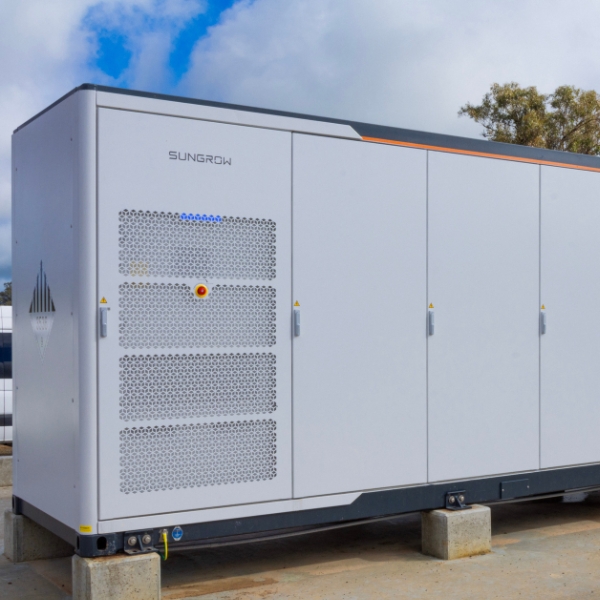
Using interval data, specialist teams can pinpoint what’s driving costs (especially peak demand and time-of-use charges), recommend practical operational tweaks that don’t compromise guest comfort, and scope upgrades such as behind-the-meter batteries or smarter controls that reduce exposure to price spikes and improve backup resilience.
The best partnerships also simplify delivery: they handle approvals, installation and ongoing optimisation, and provide transparent reporting so savings are verifiable.
Increasingly, this comes via an electricity-as-a-service model that avoids large capital outlay; for example, Stake Energy can install and operate behind-the-meter battery storage with no upfront capital, using it to shave peaks and shift consumption so sites reduce energy overheads while staying focused on hospitality.
What role do solar batteries have in reshaping cost efficiency and backup resilience?
Travis MacLachan: While not new, battery storage is emerging as an increasingly influential technology in the commercial and industrial energy market.
Recent favourable pricing shifts have positioned batteries as a game-changing technology, with the potential to significantly influence electricity prices and reshape how businesses manage their energy. Batteries are no longer just a backup solution. They are becoming a critical enabler of energy flexibility and optimisation.
Related AccomNews article: From energy drain to NABERS gain: Optimising sustainability for hotels
A notable development has been the use of AI-driven optimisation platforms that integrate batteries with other energy assets. These systems use real-time data to support multiple functions, including managing exposure to price volatility, reducing peak demand, arbitraging wholesale prices and participating in ancillary grid services.
When combined with automated energy management and real-time monitoring, these technologies allow businesses to align energy use more closely with the realities of a renewable-heavy grid.
This is especially critical as Australia transitions to a grid with higher renewable penetration, where flexibility and adaptability will be key to success.
The future belongs to businesses that embrace innovative, sustainable and technology-driven solutions. By adopting these energy strategies, businesses can reduce costs, manage risks and position themselves strongly in an evolving energy landscape driven by renewables.
Amitay Smirra: Solar batteries are transforming the residential and commercial energy landscape by shifting from a niche product to a mainstream, “future-ready” investment that provides 80 to 100 percent reduction in grid dependency. By storing excess rooftop solar energy produced during the day for use in the evening, these systems combat high electricity tariffs and provide essential backup during grid failures.
Additionally, solar batteries allow for high powered Electric Vehicle Infrastructure to operate with minimal grid impact, and a worthwhile investment for companies that are “emission” conscious.
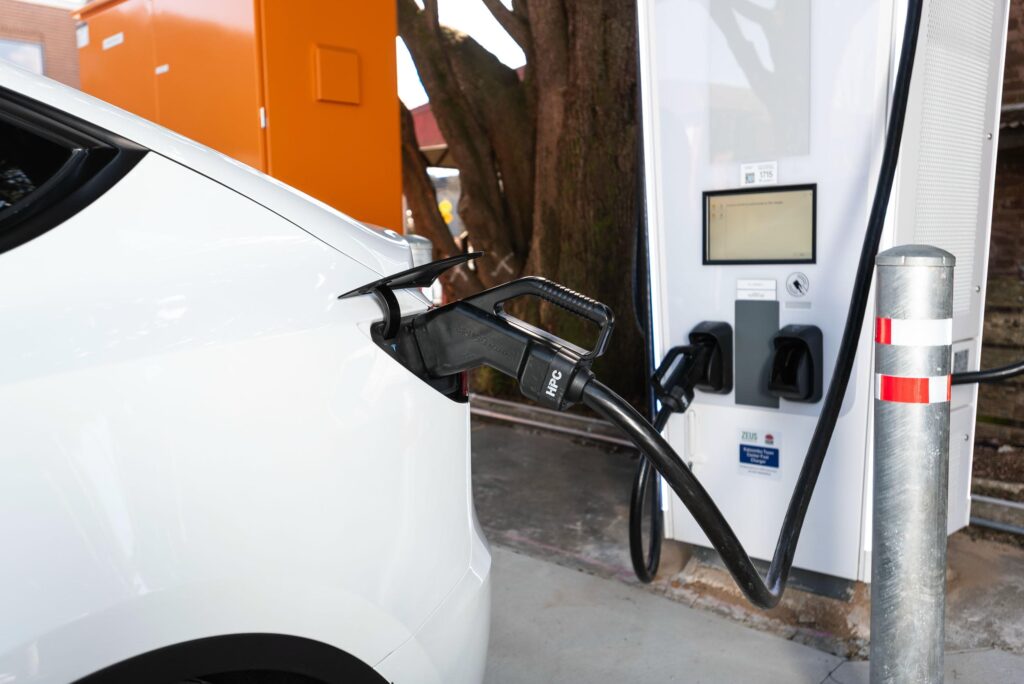
EV use is rising around the country, and accommodation operators are in a prime position to capitalise on this, with EV charging stations onsite. What management options do providers have for EV charging solutions?
Amitay Smirra: Accommodation operators have two primary approaches to managing electric vehicle infrastructure (EVI) on their premises: self-management or engaging a third-party provider. Each model comes with distinct benefits and cons, and the choice depends on the operator’s priorities.
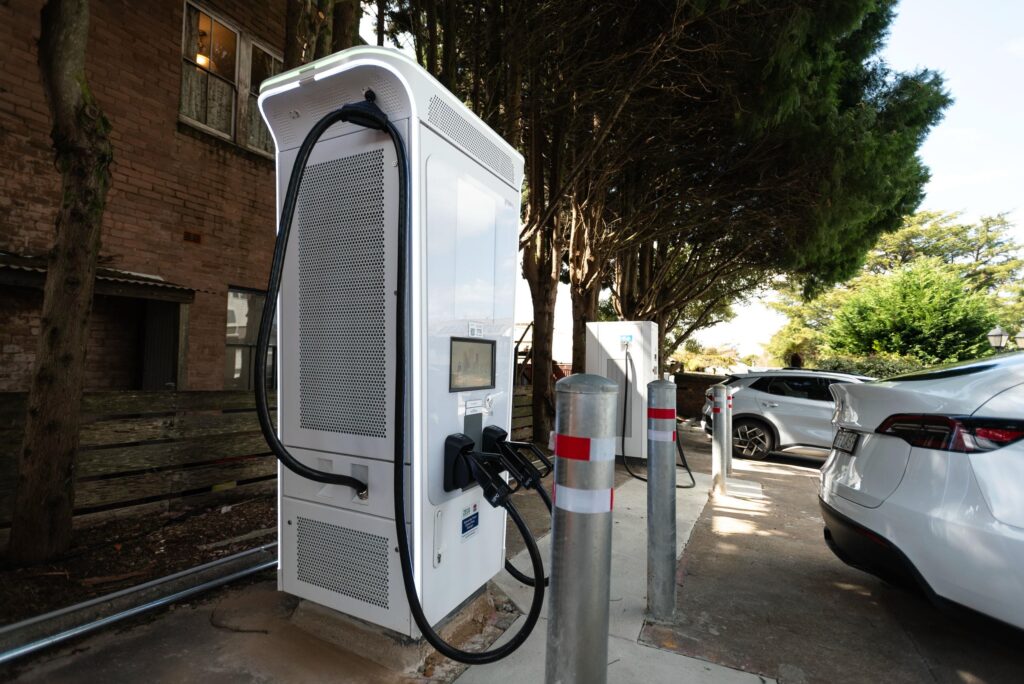
In a self-managed model, the accommodation operator is responsible for purchasing, installing, and managing the EVI. This includes overseeing payment systems for guests and handling ongoing maintenance. The primary advantage of this approach is the level of control it affords: operators can tailor the system to their needs, set higher profit margins and increase the property’s value as an “EV-ready” asset. However, these benefits come with higher upfront costs and require technical expertise, as well as a commitment to ongoing management and maintenance.
Alternatively, operators can partner with an external company to own, install, and manage the EVI. In this arrangement, the third-party handles everything from installation, maintenance, network management and payment processing. Operators typically agree to a revenue-sharing model. The main advantages of this option are: minimal upfront investment, potentially increasing the size of the EVI, the benefit of having an experienced team manage the assets, eliminating the need for in-house technical knowledge or day-to-day oversight. The trade-off is reduced control over the charging infrastructure and lower profit margins, as a portion of the revenue goes to the managing company.
Ultimately, the decision between self-managed and third-party managed EV charging solutions requires an evaluation of the operator’s resources, desired level of involvement, and long-term business goals. Each approach offers a balance between cost, control, and convenience, and the best choice will vary case by case.
This article first appeared in the Summer edition of AccomNews. Click below to explore