
Have you considered glamping?
Simple but luxurious, affordable but not cheap, introducing glamping to your accommodation mix has many benefits.

Enjoying a camping holiday in the great outdoors, with the night sky above you and the sounds of nature all around can be a wonderful way to relax and unwind.
Until a large spider takes up residence in your shoe, or it rains and your tent starts leaking, or you need to visit the communal toilet in the middle of the night, and it’s cold and dark and scary.
The latest print edition of AccomNews is out now. Read it HERE
Camping offers so many benefits, yet some travellers are just not cut out for it. Glamping can provide the excitement and ruggedness of camping, with a touch more elegance and sophistication. A middle ground between those who love to rough it and those who enjoy a few more creature comforts, adding glamping to your accommodation offerings can help cater to more guests and offer varied experiences.
What is glamping?
Glamping—literally glamorous camping—has risen in popularity over the past decade, and many will be familiar with the concept. Essentially, it offers the experience of outdoor camping with more amenities.
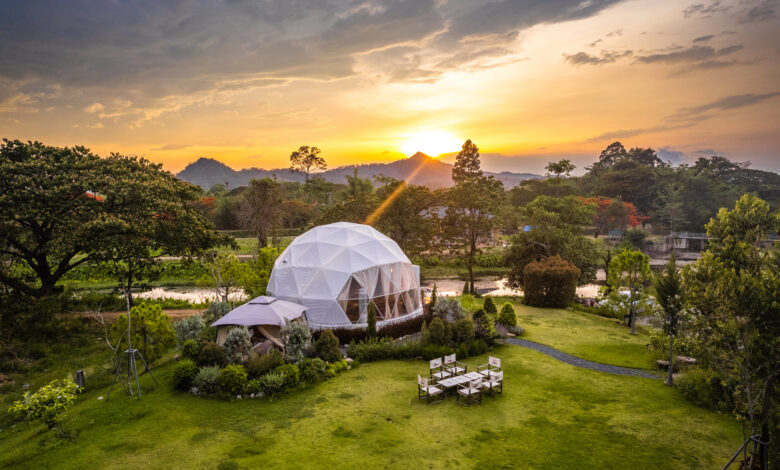
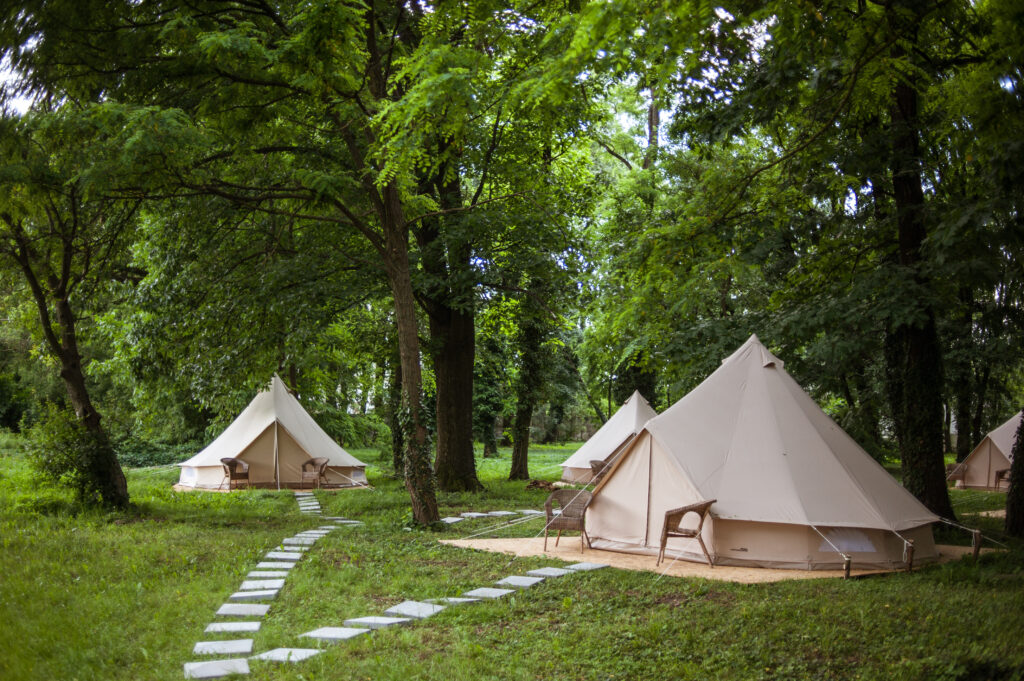
Typically, glamping happens in a temporary or semi-permanent structure, for example safari tents, eco-pods, yurts, bell tents or treehouses. Structures are not packed down in between guests, allowing visitors to start enjoying their holiday from the moment they arrive at your property. Glamping accommodation is larger than a standard tent—tall enough to walk around comfortably inside, and fit a proper bed. Toilets and showers are usually included, along with basic cooking facilities.
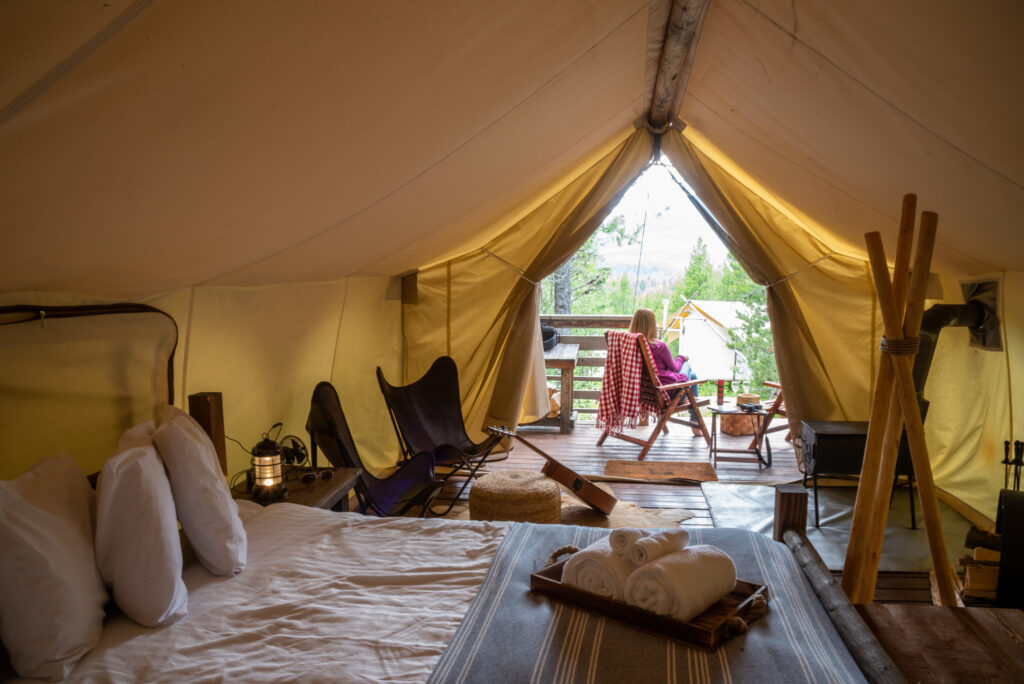
For added guest comfort, heating and cooling solutions can be included in glamping structures, as well as power and wifi access. In some cases, operators install solid flooring for example a concrete slab or raised wooden decking. Soft furnishings like rugs, cushions, curtains and bed linen can add extra layers of luxury.
Rising popularity
Glamping has risen in popularity over the past decade. It is reported to sit side by side with traditional tent camping, each attracting around 29 percent of market share. Gen Z and Millennials make up the bulk of these numbers, though there has been a rise in family travel and four-person groups in recent years.
Annual expenditure in the glamping sector in Australia is estimated at around $10.72 billion annually, and this is expected to grow by close to 12 percent by 2034.
Several factors are thought to be contributing to the glamping boom. Younger travellers are chasing Instagram and TikTok worthy stays, featuring idyllic natural surrounds as well as luxury amenities to share with their online friends. Glamping provides the perfect blend of both. With guests posting their stays across social media platforms, glamping destinations often market themselves, and operators will not need to invest heavily in promotional campaigns.
For families in a cost-of-living squeeze, glamping provides a more affordable alternative to a hotel or motel, without sacrificing on private bathrooms and comfortable beds. Similarly, for young couples or groups of friends, glamping offers an affordable stay with a connection to nature, without the need to set-up and pack-down tents or caravans, or store these items at home long term.
Post-pandemic, many travellers are looking for outdoor travel and a connection to nature, but don’t want a traditional tent or caravan holiday. Sustainable travel and eco-conscious stays are also driving consumer behaviour, and contributing to the rise in glamping.
Diverse travellers, increased revenue
Adding glamping to your accommodation mix can attract a more diverse customer base, add extra revenue streams, and increase occupancy year-round.
Most obviously, adding glamping to your property increases the number of available beds, which drives up potential revenue. Glamping structures are usually quicker to install than cabins or permanent buildings, so operators can start taking bookings sooner. Additionally, glamping can help your property to appeal to a broader audience, and win over some holidaymakers who might usually opt for a hotel or motel.
Research indicates that travellers are willing to pay a higher price for glamping accommodation as opposed to a traditional tent space or caravan site. Adding glamping, then, can attract more revenue than extra tent or caravan sites might. Further revenue growth can be achieved by offering add-ons to the glamping experience, for example hot tubs, picnic hampers, spa treatments, fire pits or breakfast baskets. Guest who choose glamping are often looking for a luxury experience and are more likely to take up these offers than caravan and camping guests.
Additionally, glamping can help to extend the camping season. Caravan and camping bookings for most holiday parks is strongest throughout summer, and drops during the colder months. Insulated safari tents, domes and other glamping structures can be heated and offer environmental protection, meaning they can be marketed as an attractive option year-round.
Simple set up, immediate payoff
Glamping works in a range of settings, from bushland to seaside, and can be easily added to your holiday park with some careful planning.
First, choose a suitable site for glamping structures. Ensure there is sufficient space for each structure, with privacy for guests. Glampers are looking for a more exclusive experience than camping or caravaning so won’t appreciate feeling crowded. Before installing any structures, check with your local council for planning and regulatory requirements.
Decide on a manageable number of glamping options to start with. Depending on the exact type of structure you choose, minimal building is often required, meaning glamping options can be set up quickly. Glamping accommodation is highly scalable, and providing you have the space, new sites can be added over time.
To complete the camping-but-better aesthetic, add thoughtful landscaping, like decking, native trees, and outdoor furniture. Work with your property’s natural landscape and highlight existing features, like dams and lakes, clear starry night skies, and local walking tracks.
With glamping on track to eclipse camping as a preferred accommodation option in the next decade, investing in glamping structures now will mean your accommodation business is well positioned to capitalise. Simple but luxurious, affordable but not cheap, glamping has a broad appeal to a range of travellers, and provides many benefits for accommodation operators.
The Winter edition of AccomNews is out now. Click below to explore.