
Using low season wisely: Setting up a stronger summer
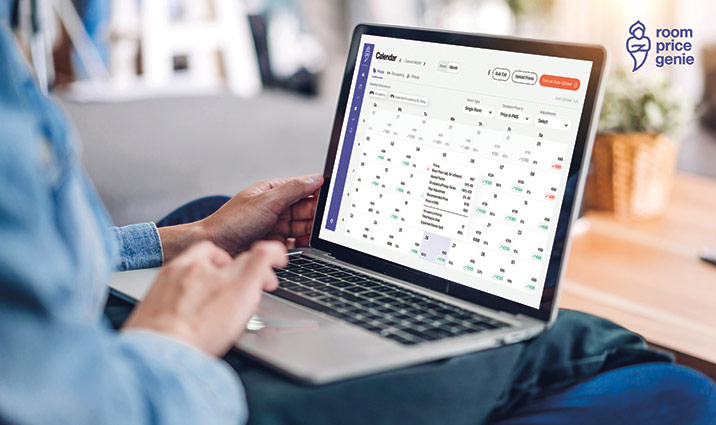
Winter is when the smart holiday park operators get ahead. Occupancy eases, the pace slows, and suddenly there’s space to do the things that got pushed aside during peak season, like review the business, make property upgrades, invest in the team, and set up systems that will pay off when summer arrives.
It’s also the best time to really consider pricing. Not in the middle of a busy weekend, not reactively when a competitor drops their rates, but properly… with enough time to make changes that actually make a difference before spring bookings start rolling in.
The pricing problem most parks don’t talk about
Most holiday parks price by instinct. Summer rates go up, winter rates come down, a few peak weekends get flagged in the calendar. It’s a system that made sense when margins were comfortable and demand was predictable. But it quietly costs you more than you realise.
Cabins, RV sites, and campsites don’t behave the same way. They attract different guests, book at different lead times, and respond to price changes very differently. A cabin that would sell out three weeks out at $220 might sit empty because the rate is still set at $180 from last season. An unpowered site that usually lags might be the hottest inventory in the park for a long weekend nobody planned for.
The issue isn’t that operators don’t care about pricing. It’s usually the opposite. Many parks underprice because they do care; about whether a rate feels fair to a loyal guest, whether they’ll get a bad review, whether the property is “worth” what the market would actually pay. Those instincts matter. But guests see something different. They’re not thinking about the maintenance list or the cabin that could use a refresh. They’re thinking about the event they’re attending, the school holiday window closing, the fact that everywhere else is already booked. The property is the same as it was last week, but the demand around it isn’t.
Real stories from local clients
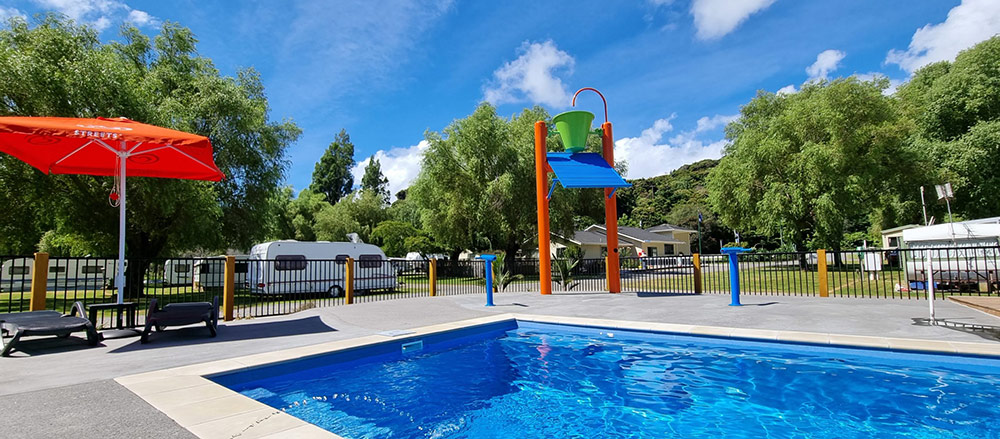
Aaron McFarlane co-owns Coromandel Shelly Beach TOP 10 Holiday Park, a beachfront property on New Zealand’s Coromandel Peninsula accommodating up to 500 guests across campsites, cabins, motel units, and glamping options. When he took over in 2017, pricing was seasonal and manual. With 14 accommodation categories, keeping rates competitive across all of them became impossible alongside everything else that needed done.
“We had rooms sitting empty because we were priced too high, or we sold too cheap because we didn’t have time to play around with the rates,” Aaron says.
After connecting RoomPriceGenie to his property through RMS Cloud, Aaron had clear visibility of booking pace and market signals across every unit type, with rates updating automatically four times a day. The result was a record financial year: Turnover up around 30%.
The visibility was as valuable as the automation. Instead of reacting to gaps after the fact, Aaron could see demand building in real time and price accordingly: “We used to spend hours on pricing. Now we barely have to think about it.”
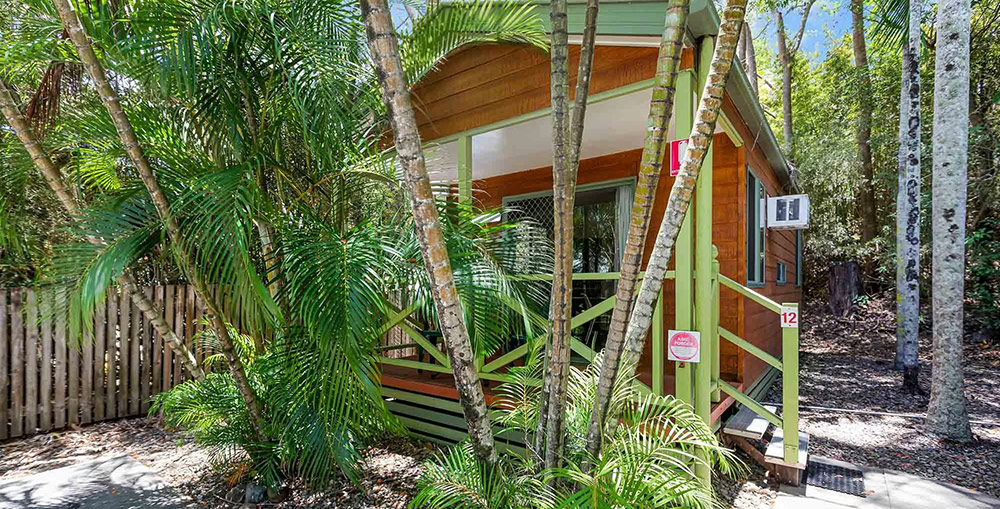
At Kipara Tropical Rainforest Retreat in Airlie Beach, managed by BelgraviaPro across 40-plus properties, the challenge was different in scale but identical in kind. After a major refurbishment that changed the room mix entirely, Revenue Manager Jarratt Horton had no reliable historical data and a market that moved fast. Competitors updated rates daily. Staying on top of it manually meant constant monitoring and reactive decisions made under pressure.
With better data in place, Jarratt could focus his expertise where it mattered most: Strategy, forecasting, and catching opportunities the manual process would have missed. Kipara saw a 20% revenue increase, a 26% occupancy uplift, and 30% growth year on year. BelgraviaPro has since connected four more properties to our system.
“Before RoomPriceGenie, the data suggested we were underpricing some rooms and overpricing others,” Jarratt says. “Now pricing is competitive and right-sized, and occupancy has grown exactly as we hoped.”
Why winter is the right time to make the switch
Setting up a revenue management system mid-peak is nobody’s idea of fun. Onboarding takes focus, and adjusting your pricing approach before warmer months roll in will get you the best results.
With quieter weeks ahead, you can connect your PMS, configure your parameters, and get comfortable with how the system works before the bookings start stacking up. By the time spring arrives, pricing is already running in the background, and you’re not scrambling to catch up.
The parks seeing the strongest summers aren’t the ones with the biggest marketing budgets. They’re the ones whose pricing is already doing the work before the season even starts.
Click here to calculate your potential ROI.
To start your FREE 2-week trial (No credit card required) click here.

For more information please visit www.roompricegenie.com.