
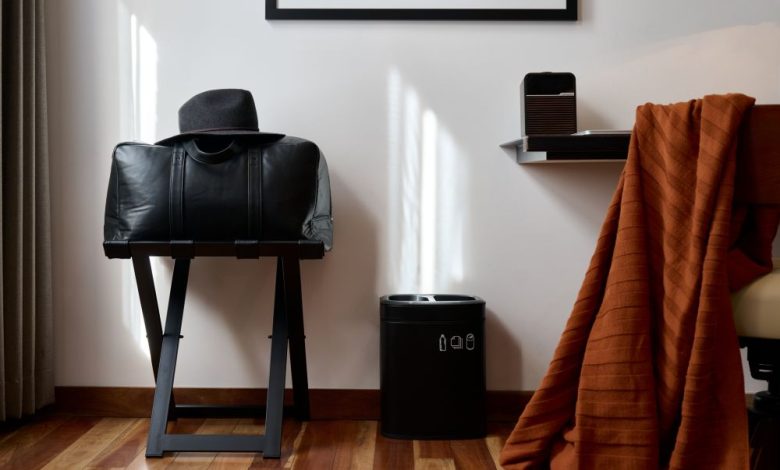
Towels, robes and slippers for the ultimate in guest comfort
Whatever the accommodation style or price point, thoughtfully chosen towels, robes and slippers can add a touch of luxury

It’s the little things that make a stay feel special. A towel worth wrapping up in, a robe made for slow mornings and slippers that invite guests to kick off their shoes can turn everyday comforts into a little holiday indulgence.
These are the details guests discover once the door is closed and the day’s adventures are done. Whether they’re washing off the beach or putting their feet up after a conference, softness, freshness and a comfortable fit can help make the guestroom their own.
Read the latest edition of AccomNews HERE
A 2016 Xeros survey of 1,160 travellers in the United States and United Kingdom found that 94 percent considered towel quality important to overall satisfaction, while 73 percent said it would influence their decision to return to a hotel brand.
In a 2023 YouGov survey of 2,059 British adults, 72 percent expected slippers and a robe in a premium or luxury hotel room. But whatever the accommodation style or price point, thoughtfully chosen towels, robes and slippers can add a touch of luxury to the guest experience.
For expert insights, AccomNews spoke with three industry leaders.
What should operators look for when choosing slippers for their property?
Wenesy Cosmetics Australia Director Jason Williams: Accommodation operators should first consider how and where the slippers will be used; guestrooms, bathrooms, spas and pool areas all have different requirements.
In dry guestrooms, lightweight comfort may be the priority, while wet areas demand better slip resistance, water resistance and structural stability. Size, sole thickness, fit and overall design should also suit the property’s positioning and the guest experience it wants to create.
What trends are emerging in materials and design for hotel slippers?
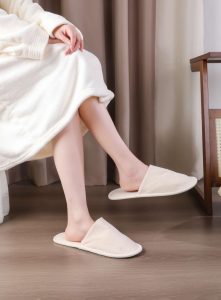
Jason Williams: Current trends are moving in two directions: broader material choices and more considered design. We are seeing greater use of paper-based soles, cork, recycled fibres, cotton-blend fabrics, and natural-looking linen or waffle textures. There is also growing interest in reducing conventional plastic packaging in favour of paper-based or lighter-weight alternatives.
However, something that looks “natural” is not necessarily more sustainable. Beige tones and natural textures may create an eco-conscious impression, but the actual material composition and percentage used matter far more.
With that in mind, how can operators assess more sustainable slipper options?
Jason Williams: When assessing more sustainable slipper options, operators should look beyond an “eco-friendly” label and ask what materials have actually been reduced or replaced, and whether those changes are suitable for the intended use.
A slipper can contain fabric, foam, sole materials, adhesives and packaging, so claims such as recyclable, biodegradable or compostable also need to be considered in the context of local waste-processing infrastructure.
For many properties, sustainability does not require replacing every material at once. Introducing paper-based or cork soles, increasing natural or recycled fibre content, or cutting plastic packaging can all be practical first steps.
The most meaningful approach is one that is measurable, fit for purpose, and balanced across guest comfort, safety and long-term purchasing cost.
For towels, robes and slippers, which materials and design details make the biggest difference to guest comfort?
Peter Weingartner, Managing Director at Swisstrade: The new luxury isn’t necessarily about more. It’s about making even the smallest comforts feel considered. Towels, robes and slippers are among the most tactile elements of a hotel stay, and guests instinctively notice when something feels genuinely good to use.
Materials are becoming more considered, with hotels looking beyond traditional terry to jersey, 100 percent combed cotton, waffle and velour. Jersey has a relaxed, almost T-shirt-like softness, while combed cotton feels natural and breathable.
With slippers, comfort starts from the ground up. Cushioning, sole thickness, fit and grip can be the difference between something that simply looks luxurious and something guests actually love wearing. We regularly receive enquiries from guests wanting to purchase slippers they discovered during a hotel stay, particularly newer compostable styles.
Related AccomNews story: Creating a sense of luxury with memorable amenities
What should operators consider when selecting products for frequent use and commercial laundering?
Peter Weingartner: The art is finding the balance between how something feels to a guest and how it performs behind the scenes. A towel or robe can feel beautiful on day one; the real test is how it feels after repeated commercial laundering.
Operators should look beyond the initial purchase price to the life of the product: fibre and construction quality, absorbency, durability, shrinkage, colourfastness, drying time and how well it retains its softness and shape.
Heavier doesn’t automatically mean more luxurious, particularly when laundering, drying and handling are considered. The right product is one that still feels considered after the hundredth stay, not just the first.
How can finishing touches like robes, slippers and towels complement the guestroom’s overall look and feel?
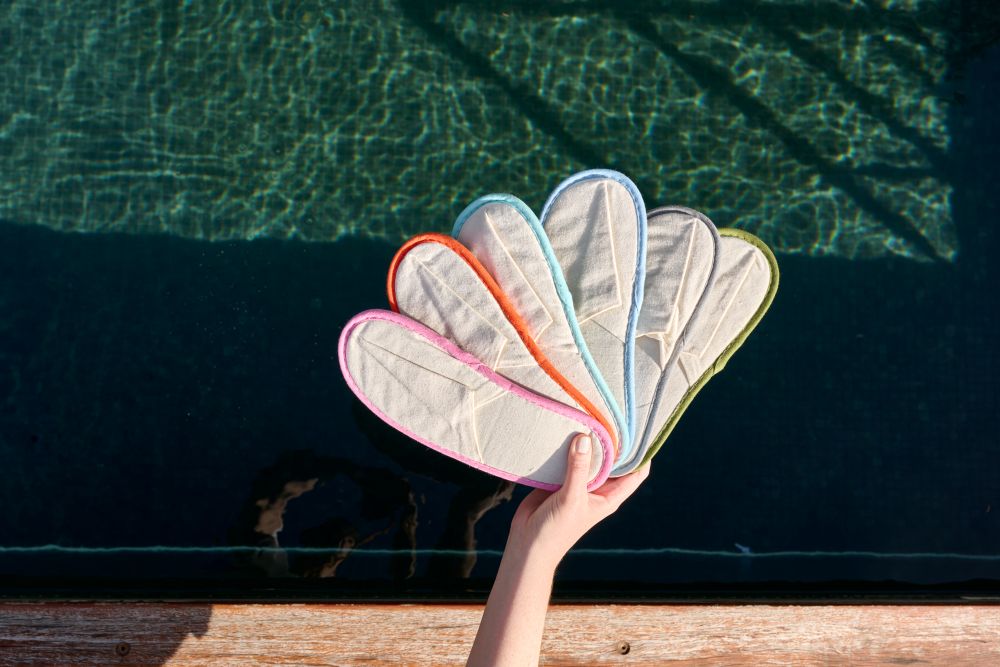
Peter Weingartner: We’re seeing hotels become much more confident about moving beyond standard white. Colour, texture and small finishing details are turning traditionally functional items into another layer of the room’s design and an opportunity to express the personality of the property.
It doesn’t need to be dramatic. A robe can pick up a colour from the interior palette, slippers can introduce a playful contrast or coloured piping, while waffle, jersey and velour bring softness and texture to spaces dominated by stone, timber or glass.
The most successful examples don’t feel overly coordinated; they feel collected and considered. It’s those small choices that can give a room warmth and personality.
How can in-room comforts influence guest satisfaction and loyalty?
Helen Hurst, National Sales & Marketing Manager, Australian Linen Supply: These items are often among the first and last tactile impressions a guest has during their stay, making them powerful tools for shaping perception.
Premium, plush towels and robes provide a feeling of indulgence and attention to detail. This can elevate the guest’s sense of comfort and care, transforming a “standard” stay into a memorable one.
When guests associate your property with exceptional comfort, they are more likely to return. These small luxuries can create an emotional connection, differentiating you from competitors.
Related AccomNews story: Meeting in-house goals with outsourced housekeeping
How can hotels balance sustainability with comfort and luxury?
Helen Hurst: With sustainability front of mind for today’s travellers, hotels can embrace eco-conscious choices without sacrificing luxury by focusing on materials, presentation, and guest experience.
Opt for high-quality, sustainably sourced cotton, bamboo, or recycled polyester fibres that feel soft and indulgent while meeting eco-standards. Choose suppliers with recognised certifications to ensure products are both safe and sustainably produced.
Invest in durable, commercial-grade textiles that retain their softness and shape over many washes, reducing replacement frequency and waste. Highlight sustainable choices in-room and online, framing them as a thoughtful part of the guest experience rather than a compromise.
By blending eco-conscious products with refined design and exceptional tactile quality, hotels can appeal to the growing market of sustainability-minded travellers while maintaining their luxury brand image.
What role can branded products, like robes and slippers, play in reinforcing a property’s identity?
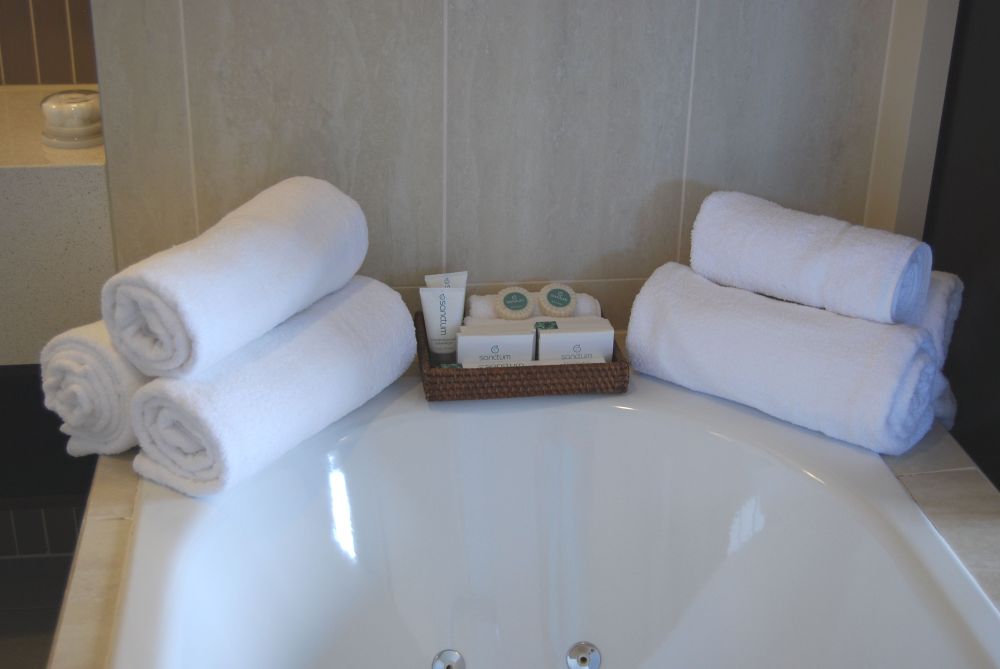
Helen Hurst: Branded in-room products act as subtle yet powerful storytellers, reinforcing a hotel’s identity and immersing guests in its unique narrative. Branded items can reflect the hotel’s personality, whether that’s understated elegance, coastal relaxation, or urban chic, helping guests feel more connected to the property’s theme and location.
When guests touch, wear, and use items that reflect the brand, it creates a sensory link to their stay, making the experience more memorable.
Guests often share photos of well-presented, branded amenities on social media, extending brand visibility beyond the room. Some may even purchase branded products as souvenirs, turning their stay into a long-term brand association.