

Connected stays: The new role of digital compendiums
Digital compendiums are intuitive and welcoming for guests, and offer operators seamless integration and opportunities for guest connection

Traditionally a printed folder, often out of date before it reached the bedside table and prone to wear, the in-room compendium is being transformed into an interactive digital platform.
For accommodation providers, this shift isn’t just about swapping paper for screens.
It’s about creating something even more useful: a simple, intuitive way for guests to access information, connect with services, and move through their stay with ease.
Read the latest edition of AccomNews HERE
At the same time, the operational benefits are hard to ignore. Content can be updated instantly across rooms or entire properties, removing the need for constant reprints and manual checks by staff.
Front desk teams are also required to answer fewer routine enquiries, as guests can quickly access answers themselves or submit requests digitally.
The result is a more streamlined operation, where staff have more time to focus on meaningful guest interactions rather than repetitive questions.
Related AccomNews article: Working smarter not harder: Software solutions that streamline and simplify
What’s really driving this evolution, however, is how these platforms are starting to connect with the broader hotel ecosystem.
Digital compendiums are linking with property management systems and customer relationship management systems, in-room entertainment, and other guest-facing technology to create more tailored experiences.
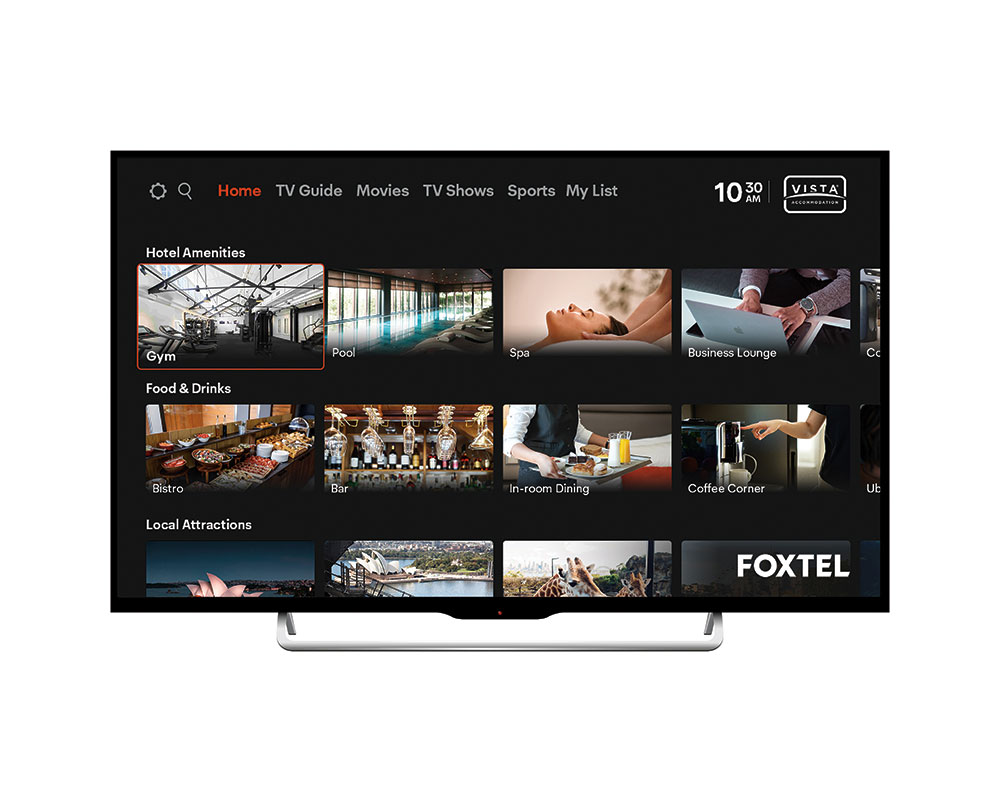
A guest might browse dining options, watch their favourite television show or communicate with hotel staff, all within the same environment.
There’s also a clear opportunity here when it comes to revenue, but in a way that feels considered rather than pushy.
When done well, digital compendiums can highlight in-house dining options or experiences that genuinely add to the stay, rather than interrupt it.
Of course, with this shift comes a growing focus on how content is managed, how systems are secured, and how guest data is handled. As more properties adopt cloud-based platforms, getting that balance right is essential.
What’s clear is that digital compendiums are no longer just a replacement for the old in-room folder. They’re becoming a key part of how properties communicate and engage with guests, quietly reshaping the experience in the process.
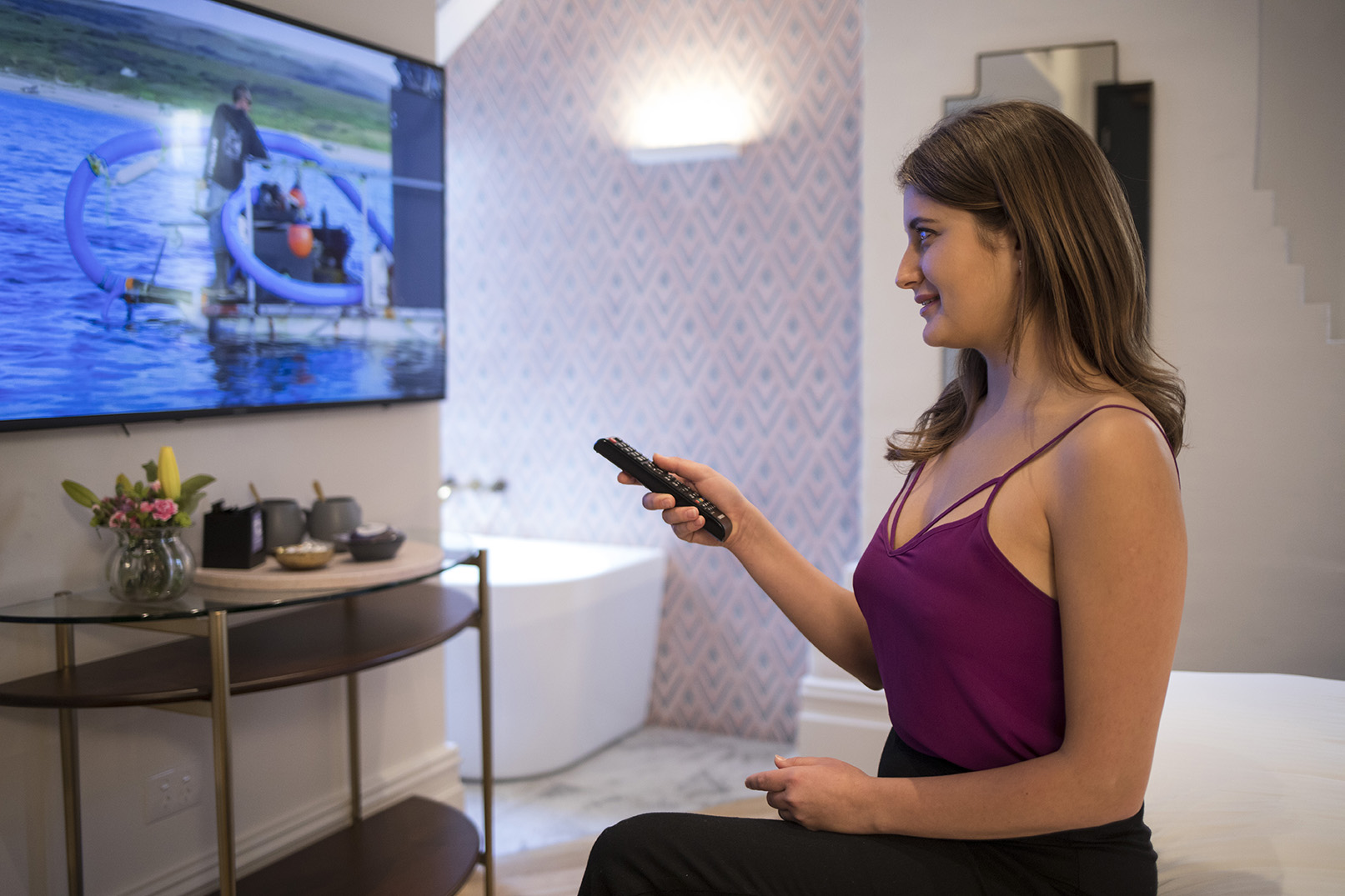
Scott Wiedemann, National Manager-Accommodation, at Foxtel shared his thoughts on the rise of digital compendiums.
How are in-room TV platforms evolving beyond entertainment to support guest communication and information sharing?
These platforms are now powerful guest engagement hubs.
Beyond delivering content, today’s platforms act as interactive communication centres that promote hotel services, provide real-time updates and guest messaging.
Guests can request services, explore offers and local attractions.
Integration with property management systems also enables personalised welcome messages and targeted promotions, transforming the television into a dynamic touchpoint throughout the stay.
This shift positions the TV as more than a screen, it becomes a central part of the hotel’s connection to their guests.
For operators, the benefits extend beyond guest satisfaction to operational efficiency, data-driven insights and new revenue opportunities. The modern in-room platform is not just about entertainment, it’s a strategic tool for communication, engagement and a more premium guest experience.
What role can custom welcome screens and digital messaging play in shaping the overall guest experience?
Custom welcome screens and digital messaging play a powerful role in shaping the emotional tone and perceived quality of a guest’s stay.
A personalised welcome screen immediately signals recognition and care.
Displaying the guest’s name, loyalty status, or delivering a personalised message transforms the TV from a generic device into a curated experience.
It reinforces brand identity, creates an emotional connection and sets expectations for service.
For repeat guests, personalised messaging can strengthen loyalty. For first-time visitors, it establishes professionalism and warmth from the outset.
Beyond first impressions, digital messaging becomes an ongoing engagement tool throughout the stay leading to impulse purchases.
Targeted promotions, event reminders, dining specials and late checkout offers can be delivered in the right moments.
This not only provides convenience for the guest but also drives incremental revenue for the property. Real-time updates from weather alerts to flight and transfer information further positions the hotel as proactive and attentive.
How can integrated in-room technology help accommodation providers streamline common guest enquiries and improve operational flow?
Integrated in-room technology shifts routine interactions to intuitive self-service platforms.
When TVs, wifi portals and smart room controls connect with the property management system, guests can quickly access information without contacting reception.
Service requests from extra towels to late checkout can be submitted digitally and routed directly to the relevant team, reducing call volumes and manual coordination.
Beyond convenience, integration improves operational flow and visibility.
Staff can track and prioritise requests in real time, automate guest messaging and identify demand patterns to optimise staffing resources.
Replacing disjointed platforms with structured, data-driven systems, properties enhance efficiency while delivering a faster, more seamless guest experience.
What are the advantages of cloud-based updates for accommodation operators?
Cloud-based updates give accommodation operators the ability to manage in-room technology remotely, ensuring all systems are up to date with the latest features and security enhancements.
This provides a consistent guest experience while eliminating the need for onsite-works with costly manual labour.
For operators managing multiple properties, cloud-based platforms enable updates to be rolled out centrally across an entire portfolio.
This makes it far more efficient to maintain brand consistency, deploy new services, and ensure every property is aligned with the latest offering.
Centralised cloud management also allows operators to deploy new content, promotions and service information instantly, respond quickly to operational changes, monitor system performance, and engage guests in real time.
Importantly, cloud-based technology allows the platform to continuously evolve without the need for major hardware upgrades every few years.
As the technology provider keeps pace with global trends and innovation, operators benefit from ongoing improvements without additional capital investment.
Overall, this reduces manual maintenance and downtime, lowers operational costs, and ensures the in-room experience remains modern, relevant and future-ready.