

Quality, sustainability and design in bathroom amenities
Well thought-out dispenser systems can enhance the guest experience, streamline day-to-day operations and contribute to green goals

Dispensers have become a standard feature across accommodation settings, reflecting a broader shift away from single-use plastics and towards more streamlined, sustainable solutions.
What was once seen as a cost-saving measure is now being approached more holistically, with operators considering how dispensers can enhance both the guest experience and day-to-day operations.
Read the latest edition of AccomNews HERE
Modern systems are designed to balance practicality with presentation. Wall-mounted and refillable formats help reduce clutter in the bathroom while maintaining a clean, consistent look. At the same time, improvements in pump quality, sealing and tamper-resistant features have addressed many of the early concerns around hygiene and usability.
For housekeeping teams, dispensers offer clear efficiency gains. High-capacity or refillable systems reduce the need for constant restocking, while controlled dispensing helps minimise product waste. This can be particularly valuable in high-occupancy properties, where time savings and consistency across rooms are key.
From a guest perspective, expectations have also evolved. Dispensers are no longer considered a lesser option, provided the design is well executed and the product quality is high. Formulations, fragrances and overall presentation all contribute to how the system is perceived.
As a result, dispensers are progressively more being treated as part of the overall bathroom design, rather than a purely functional addition. For operators, the focus is on finding systems and product formulas that balance sustainability and guest expectations, while aligning with the property’s broader brand and operational goals.
Some leaders in guestroom amenity dispensers shared their perspectives with AccomNews.
What should operators consider when selecting amenity dispenser systems for guest bathrooms?
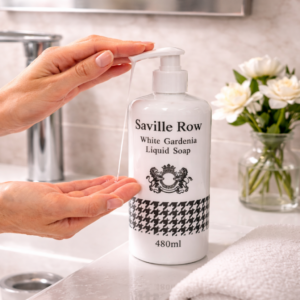
Andrew Kloester, Company Director, Hotel Products Direct: Operators should approach dispenser systems as a balance between practicality, presentation and long-term reliability. It is important to choose a system that suits the style and positioning of the property, while also being durable, easy to refill and simple for housekeeping staff to maintain.
Mounting method is another key consideration, as dispensers need to be secure, neat in appearance and unlikely to fail over time. The quality of the pump mechanism also matters, as guests quickly notice if a dispenser is difficult to use or dispenses inconsistently. Operators should also consider whether the system supports broader sustainability goals by reducing single-use plastic and unnecessary waste.
Peter Weingartner, Director, Swisstrade: There is now an abundance of amenity dispensers for hotel operators to choose from when making the switch, so the decision generally comes down to balancing environmental considerations with guest experience and operational efficiency.
Tamper- and pilfer-proof designs remain essential, alongside systems that are easy to install, maintain and replenish. Equally important are premium, sustainable formulations and well-designed bottles that feel intentional within the bathroom rather than purely functional.
Dispensers are now available across recognised spa and lifestyle brands, as well as bespoke collections developed specifically for hotels. This has shifted the conversation from simply removing single-use plastics to creating a more considered, design-led amenity experience.
Related AccomNews story: The role of robots in housekeeping operations
Sealed cartridge systems help reduce product waste, minimise plastic consumption and improve consistency across rooms, while newer refillable platforms offer closed-loop solutions that further reduce packaging while maintaining hygiene and ease of servicing.
We always recommend sampling different dispenser formats before rollout. Testing installation, replenishment speed and day-to-day servicing helps identify the most operationally efficient option, before selecting the brand and formulation that best aligns with the guest experience.
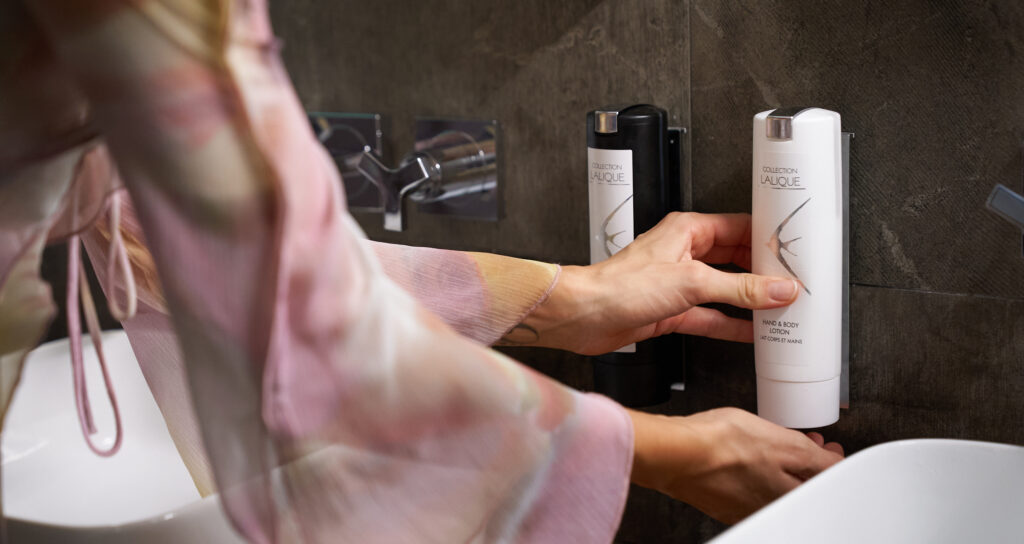
Particularly post-pandemic, hygiene and cleanliness are top of mind for both guests and staff. How have newer dispenser designs improved hygiene?
Andrew Kloester: Newer dispenser designs have better sealing, tamper-resistant features and more controlled dispensing methods, all of which improve hygiene. Many modern systems are designed to minimise contamination by keeping the product enclosed and protected during use and refilling.
Sealed cartridge systems, in particular, can reduce handling and help maintain product integrity. Wall-mounted designs also keep bottles off wet shower floors and vanity benches, making bathrooms easier to clean and reducing clutter.
Overall, newer systems tend to create a cleaner, more orderly environment, contributing to both hygiene and guest confidence.
Tobias Lord, Head of Brand, Weatherdon: Sealed and tamper-resistant systems have improved consistency across rooms while reducing the risk of contamination. Closed systems help maintain product integrity and minimise handling, which is particularly important in higher-volume properties.
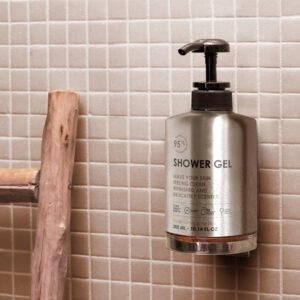
Peter Weingartner: Modern dispensers are designed for simple cleaning and minimal handling, helping maintain presentation while supporting housekeeping workflows.
Operationally, faster replacement times have become a key advantage. Select newer systems allow bottles to be swapped in seconds, which is considerably quicker than traditional refillable formats. This can reduce servicing time while improving consistency across rooms.
Closed systems also maintain formulation integrity and remove the variability that can occur with manual refilling, particularly across larger properties.
Housekeeping teams must work to tight timeframes, and turn rooms over quickly. In what ways can amenity systems help improve efficiency for housekeeping teams while still delivering a high-quality guest experience?
Andrew Kloester: Amenity systems can save considerable time for housekeeping teams by reducing the need to replace multiple small bottles after each stay. Refillable or high-capacity dispensers allow staff to top up product levels more efficiently and simplify inventory handling. They also reduce the volume of packaging waste that needs to be collected and disposed of during room turns.
From the guest’s perspective, a well-chosen dispenser system can still feel premium, provided the design is attractive, the product dispenses smoothly and the formulations are pleasant to use. When done well, dispenser systems can combine operational efficiency with a more modern and environmentally responsible guest experience.
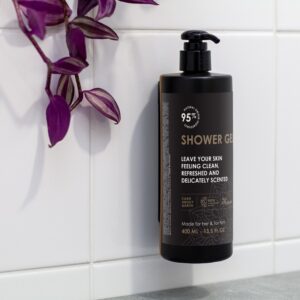
Tobias Lord: Dispensers help streamline housekeeping workflows by simplifying replenishment. Bulk formats reduce the need for constant restocking, while controlled dispensing minimises waste and handling. Over time, this can significantly reduce labour requirements and allow teams to focus on other operational priorities.
Peter Weingartner: Efficiency gains for housekeeping teams are one of the main drivers behind the shift to sealed dispenser systems. Quick-swap bottle formats significantly reduce servicing time compared to manual refilling, while also minimising spills and handling. This supports standardisation and simplifies training for housekeeping teams.
Related AccomNews article: Exception housekeeping takes patience, positivity and passion
Bulk formats also reduce restocking frequency and packaging waste, while controlled dispensing improves product management. These efficiencies become particularly noticeable across larger properties.
Refillable programs are also evolving this space further, combining refillable formats with tamper-resistant designs. This allows properties to reduce plastic use while maintaining efficiency, hygiene and presentation standards.
An accommodation property bathroom can be a site of relaxation and indulgence for travellers. What role do the liquid formulations themselves play in the guest experience, and what should operators consider when selecting them?
Andrew Kloester: The liquid itself plays an important role in the overall guest impression. Guests may not always remember the dispenser unit, but they will remember how the shampoo, conditioner, hand wash or body wash felt, along with the fragrance and overall quality.
Operators should look for formulations that are pleasant to use, consistent in quality and suited to a broad guest demographic. Fragrance selection is particularly important, as it should feel clean and appealing, while aligning with the property’s brand identity without being overpowering. Ingredient quality, skin sensitivity and alignment with guest expectations should also be considered.
A good dispenser paired with a poor-quality liquid can fall short, whereas a quality formulation can elevate the guest experience significantly.
What should operators look for when balancing sustainability with cost and guest experience?
Tobias Lord: While reducing plastic waste remains a priority, operators also need solutions that are financially viable in the long term. Dispensers help achieve this balance by reducing waste and allowing guests to use only what they need, supporting both cost control and sustainability outcomes.
There is also a growing demand for formulations that align with guest values, including vegan, cruelty-free and responsibly sourced options. Many suppliers are responding with plant-based and traceable formulations that support both guest expectations and broader sustainability goals.
Guests expect amenity dispensers to be both easy to use and visually appealing. How important are dispenser styles, finishes and presentation to the overall bathroom experience?
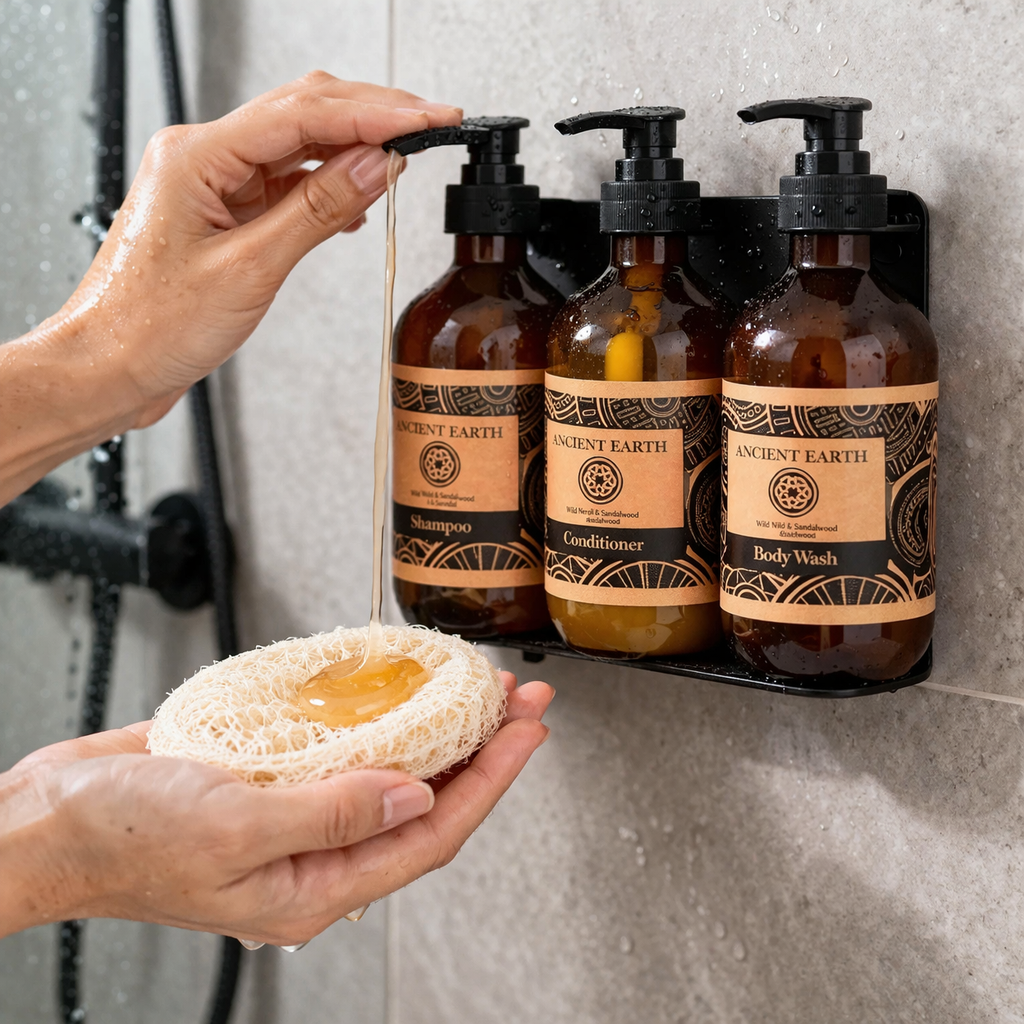
Peter Weingartner: Dispenser systems are increasingly being considered as part of the overall bathroom design rather than purely functional accessories. A wide range of finishes, bottle shapes and mounting options now allow properties to align amenities with their interior palette and brand positioning.
Some hotels are opting for wall-mounted shower dispensers that create a clean, uncluttered presentation, paired with refillable basin bottles to maintain a more residential and premium feel. This combination is becoming more common, particularly across lifestyle and upscale properties.
Branded spa collections and bespoke hotel ranges also allow amenities to contribute to the storytelling of the space. Consistency across shampoo, conditioner and body wash enhances visual cohesion and reinforces a considered guest experience.
Extending the range into retail allows guests to take the experience home, deepening brand connection while unlocking an additional revenue stream and increasing the lifetime value of each guest.
This article first appeard in the Autumn edition of AccomNews. Click below to explore.