
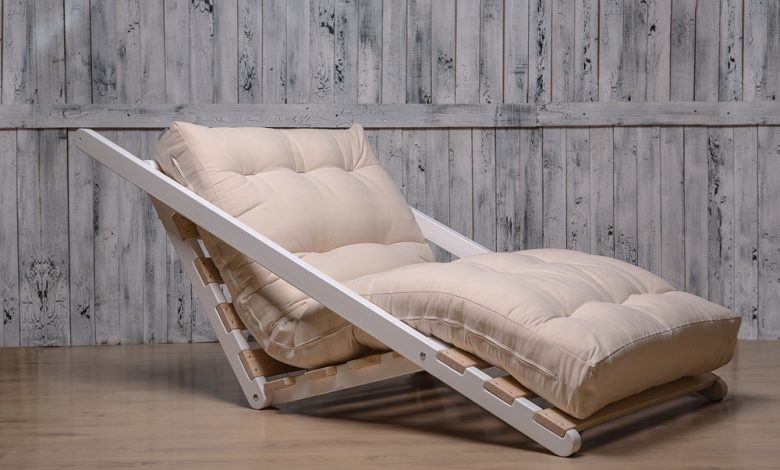
Knowing when to cover or replace outdoor cushions
Kerry Douglas explains how to identify if outdoor cushions and furniture need replacing, or if some elements just need a refresh

By Kerry Douglas
When outdoor seating starts to look tired, replacing the cushions can seem like the simplest way to refresh it.
Yet a faded cover and a flattened seat are different problems, and they do not always call for the same solution. A cushion may still be comfortable beneath worn fabric, while one that looks presentable may have lost its support.
Read the latest edition of AccomNews HERE
For accommodation owners, it is worth establishing what needs attention before committing to a full replacement. The condition of the cover, the support from the filling and the way the furniture is used all help determine how much work is needed.
Work out what is worth keeping
Before judging a cushion, check the furniture beneath it. A damaged seat base or loose supporting straps can affect comfort, so these problems need appropriate repair before you spend money on new cushioning. Once the furniture is sound, it is easier to assess whether the cushion itself is providing enough support.
Where possible, remove the cover and look inside as well as outside. The distinction between a repair and a replacement often becomes clearer at this point.
An otherwise sound cover with a broken zip may be repairable. Fabric that is badly worn or faded may warrant replacing, but there is no need to assume the foam must go with it.
If the filling is clean, dry, comfortable and still holds its shape, a new cover may be enough. If the cushion has become uneven, misshapen or uncomfortable, replacing the foam may be worthwhile even when the cover remains usable. Both may need replacing when deterioration is widespread or the cushion’s construction no longer suits its location. Persistent odour, visible mould or unexplained dampness needs suitable cleaning or upholstery advice before any decision to reuse the materials.
This assessment also helps separate a change of appearance from a loss of function. A refurbishment may call for a new colour scheme even though the existing cushions are sound. In that case, recovering them can be considered on its own merits, rather than treating every cushion as worn out.
Related AccomNews story: Elevating outdoor areas with thoughtful shade solutions
Choose materials for the setting
Once you know what needs replacing, the next question is how the seating is used. Cushions on a sheltered B&B veranda face different conditions from those beside an exposed resort pool. Sun, rain and splash all matter, as does whether someone can bring the cushions under cover. Tell the maker what actually happens at the property, including how often the seating is used and how it is cleaned.
That conversation should cover both the fabric and the filling. A description such as “weather resistant” does not explain everything an owner needs to know.
Ask for outdoor upholstery fabric suited to the location, with information about its performance and care. A cover’s resistance to moisture does not establish that the foam inside is suitable for regular wetting.
For exposed seating, it is worth discussing how water will leave the whole cushion. Reticulated foam, a type with an open structure that allows drainage and airflow, may be an option. However, the cover, lining and any wrapping around the foam also affect the result, as does the seat beneath it. Choosing a draining foam alone cannot guarantee that the finished cushion will dry quickly.
Comfort needs its own discussion. A firmer foam is not automatically a more durable one. Firmness describes how soft or hard it feels, while density measures the amount of material in a given volume of foam. Explain the support and feel you want, and ask the maker to recommend a foam suited to frequent use. This gives the maker a fuller brief than simply asking for the firmest or softest sample.
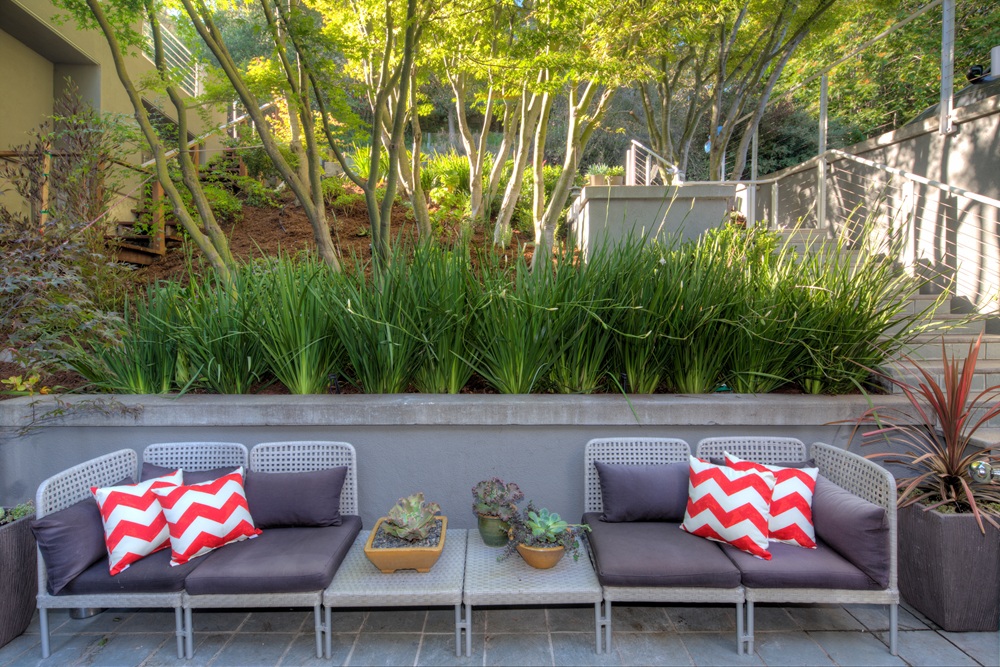
Get the fit right before ordering
Material choices and measurements need to be settled together. New foam must fit both the cover and the furniture, while any soft wrapping around it contributes to the finished shape. If you are replacing the filling, agree its dimensions and wrapping before the covers are made.
Ask the maker exactly what to measure. The furniture space, an empty cover and an existing foam insert can give different measurements, especially if the old cushion has compressed or the fabric has stretched. Width, depth and thickness are part of the picture, but curved corners and tapered shapes matter too. Clear photographs of each cushion in position help explain details that measurements alone may miss.
For a larger order, a trial cushion offers a chance to check the fit, appearance and comfort before the full batch is made. Keep a labelled record of sizes and locations, even where cushions appear identical. It gives both you and the maker a shared reference when agreeing the work and checking the finished order.
With the scope agreed, compare the cost and disruption of the whole job, including transport, fitting and time out of use. A small property may be able to work through one seating area at a time; a larger refurbishment may need a staged schedule around occupancy.
Related AccomNews story: Shared memories and satisfied guests can be built around the barbecue
Make care part of the decision
The time to consider cleaning is before the refreshed cushions arrive. Ask for instructions covering the complete cushion, rather than the fabric alone, and check that the routine is practical for whoever will do the work. A removable cover is not necessarily machine washable. Stronger cleaning products or hotter washing should not be assumed safe without checking the instructions.
Drying deserves the same attention. The outside can feel dry while moisture remains within, so allow enough time and a suitable ventilated space after rain or cleaning. Cushions should be dry before they are stored or returned to use. Clear care instructions help staff judge what to do after an ordinary spill and when a cushion needs more attention.
Whether the work involves a few new covers or a complete replacement, it should leave guests with comfortable seating and the property with cushions it can keep in good condition.
Kerry Douglas loves helping customers create comfortable, inviting outdoor spaces with Resort Style Bean Bags. Working closely with customers on bean bags and custom cushion covers, she shares practical advice on choosing fabrics, caring for outdoor furnishings and bringing a relaxed resort feel to everyday living.