Elevating outdoor areas with thoughtful shade solutions
Shade systems can improve guest comfort, extend the usability of outdoor areas and support a property's long-term commercial performance
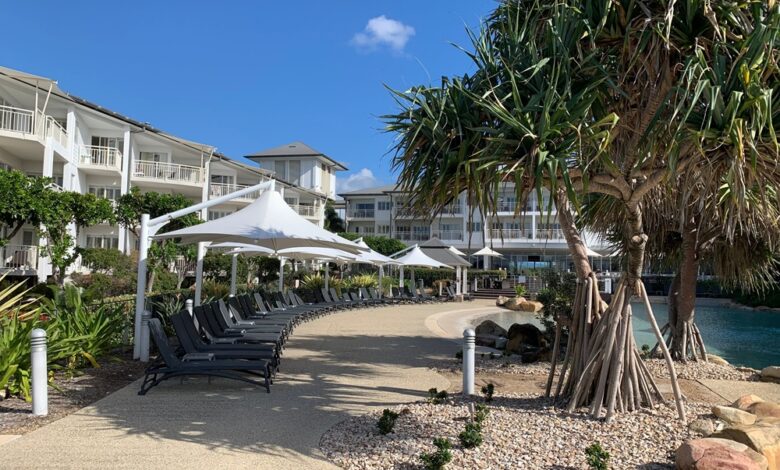
Outdoor spaces have evolved from a seasonal extra to one of the most valuable assets within accommodation properties. Whether it’s an outdoor dining space, pool deck or children’s playground, well-designed outdoor environments can provide more space for your guests to enjoy on your property.
As guest expectations continue to evolve, travellers are looking for more than comfortable rooms. They want places to relax, dine, and socialise in the comfort of the great outdoors. At the same time, accommodation operators are seeking ways to maximise every square metre of their properties and create spaces that can be enjoyed year-round.
The latest print edition of AccomNews is out now. Read it HERE
Thoughtfully designed shade solutions are playing an increasingly important role in achieving these goals. From commercial umbrellas to permanent shade structures, modern shade systems can improve guest comfort, extend the usability of outdoor areas and support a property’s long-term commercial performance.
Design, however, is only one part of the equation. Choosing the right materials, understanding how guests will use a space and ensuring structures are engineered to withstand Australia’s varied climate are all key considerations.
For tips on using shade to maximum effect throughout your property, AccomNews spoke with industry experts at MakMax and SkySpan.
How can shade structures help accommodation operators make better use of their outdoor spaces?
MakMax Project Development Manager Alex Priego: Outdoor areas are some of the most valuable real estate within a hotel, resort or hospitality venue, yet they are potentially underutilised due to their exposure to the elements.
The most successful outdoor spaces are those that guests can use consistently, not just on perfect weather days. Effective shade allows accommodation operators to transform outdoor spaces into comfortable, functional environments that guests can enjoy day or night, and across more seasons of the year. Whether it’s a poolside deck, rooftop bar, dining terrace or event lawn, commercial umbrellas or engineered shade structures can improve guest comfort, encourage longer stays and help operators maximise the return on their outdoor assets.
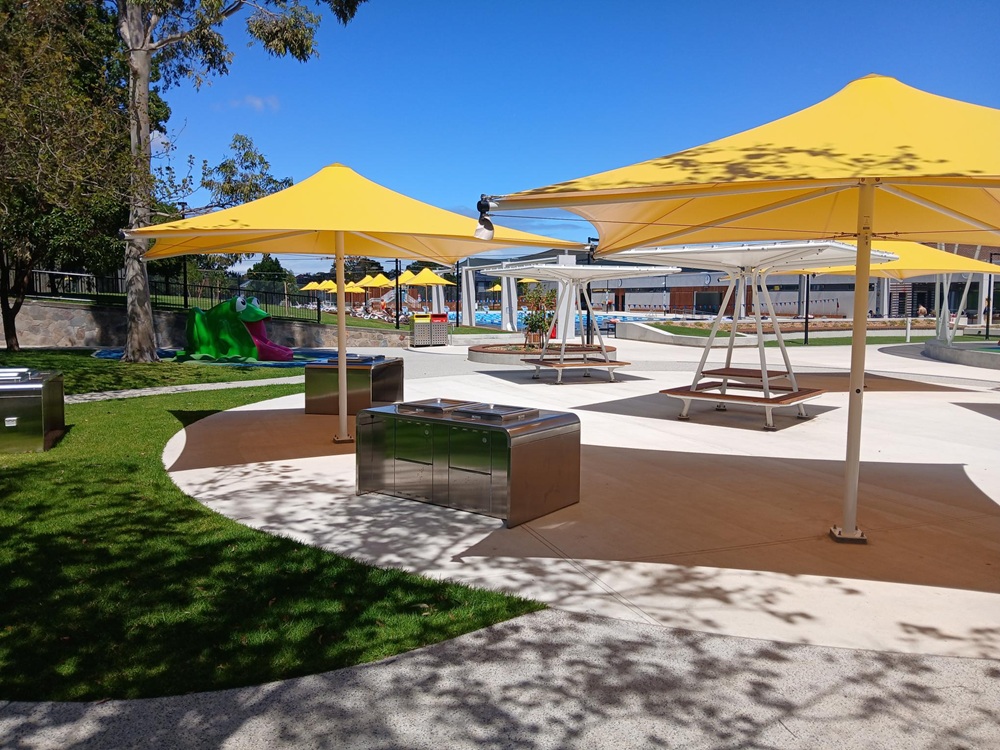
For larger areas, engineered shade structures provide a more permanent solution. These structures can be designed to suit virtually any space. Permanent shade structures allow operators to think bigger—instead of shading a table, you’re creating an outdoor destination.
What should accommodation operators consider when looking to invest in shade solutions?
Skyspan Shade Sales Manager Justin Brass: Outdoor areas have become one of the most commercially valuable parts of any accommodation property, but simply adding shade isn’t enough. The most successful operators are thinking about how outdoor spaces influence guest behaviour.
When investing in shade solutions, the first question shouldn’t be “What umbrella do we need?” but rather “How do we want guests to use this space?” Whether it’s encouraging longer breakfasts, creating premium poolside experiences or providing flexible event space, the shade solution should support the property’s operational goals as much as its aesthetics.
One of the most valuable steps in the process is engaging with an experienced commercial shade specialist early. Every site presents its own challenges, and a professional site assessment can identify opportunities that aren’t immediately obvious and ensure the selected solution complements both the property’s architecture and the way guests actually use the space.
Related AccomNews story: More than shade: Turning outdoor spaces into guest destinations
What should accommodation operators look for when choosing shade fabrics?
Alex Priego: When it comes to a well-designed and long-lasting shade structure, the fabric is doing the heavy lifting. It’s not just about how it looks on day one, it’s about how it performs over the next ten, fifteen or even twenty years.
Accommodation operators should first consider the level of protection they require. While shade-only fabrics remain popular in some applications, waterproof membranes provide protection from both sun and rain, helping outdoor areas remain operational in a wider range of conditions.
Durability is equally important. Australia’s climate can be unforgiving, so accommodation operators should choose materials with proven UV performance, weather resistance and low maintenance requirements.
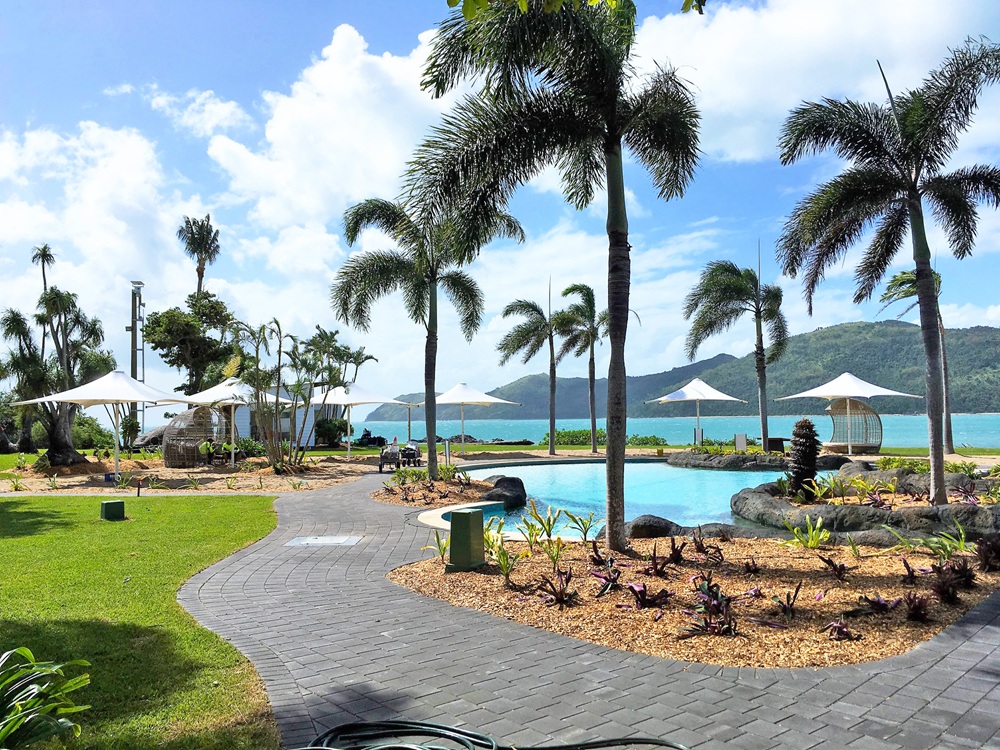
How important are wind resistance, anchoring systems, and compliance consideration?
Justin Brass: Accommodation operators are looking for solutions that minimise disruption to staff. Easy-to-operate systems, layouts that integrate with furniture and guest circulation, and products designed for long-term servicing all contribute to reducing ongoing operating costs.
Structural performance also remains critical. In many parts of Australia, particularly coastal destinations, shade structures must cope with demanding weather conditions. Choosing products that have been professionally specified, engineered for commercial use and correctly installed provides confidence that the investment will continue performing season after season while meeting relevant compliance requirements.
Related AccomNews article: Creating lasting memories with family-friendly fun
And finally, what trends are you currently seeing in outdoor shade design and technology?
Alex Priego: We’re seeing a shift away from treating shade as an afterthought. Operators increasingly view it as an important part of overall venue design and to enhance the guest experience.
Contemporary hospitality projects are favouring cleaner, more architectural forms. Circular canopies, minimalist profiles and coordinated shade precincts are becoming increasingly common in hotels, resorts and dining destinations.
Natural tones remain popular because they complement contemporary architecture while helping to create cooler and more inviting outdoor environments. Natural colour palettes featuring light greens, sandy beige, orange and earthy red tones are in demand. At the same time, translucent and transparent membrane materials are attracting interest because they maintain a sense of openness while still providing weather protection.
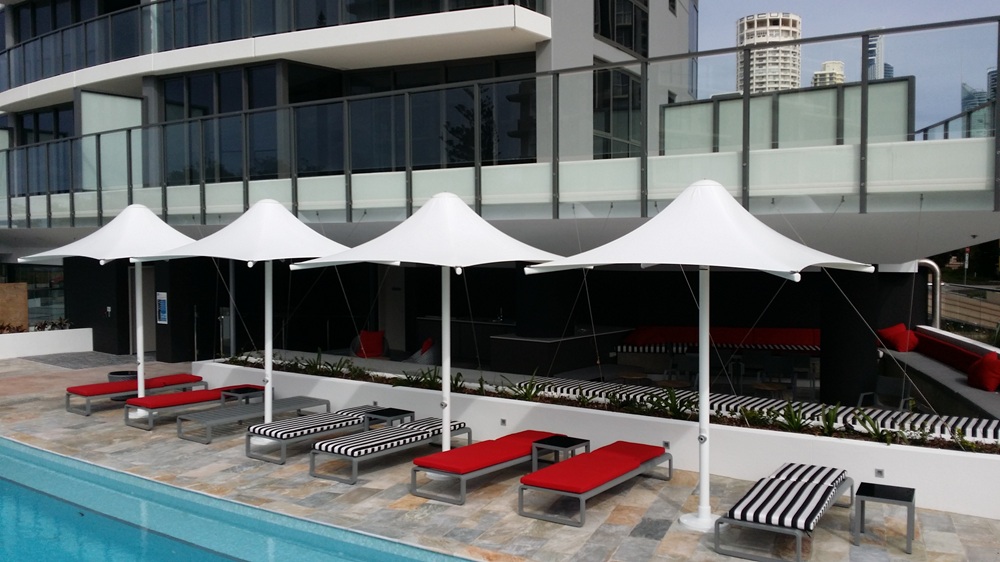
Justin Brass: We’re seeing a shift towards creating multiple outdoor “zones” rather than one large open area. Guests increasingly seek choice—quiet places to read, social spaces to gather, sheltered dining areas and comfortable poolside retreats. Commercial umbrellas provide the flexibility to define these spaces while allowing operators to adapt layouts as guest expectations evolve.
However, ultimately, the success of a shade solution isn’t measured by its size or appearance—it’s measured by how often guests choose to spend time beneath it.