
Maximum Occupancy Melbourne 2026 sees industry leaders map the road to 2027
All the crucial insights from Maximum Occupancy Melbourne 2026, which featured an array of industry leaders and an opening from the Lord Mayor

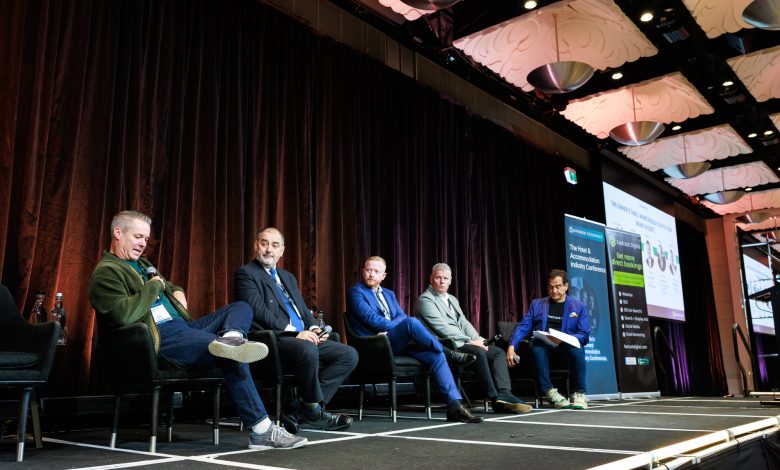
Maximum Occupancy Australia returned to Melbourne on Tuesday, 17 November 2026, with the Lord Mayor of Melbourne, Nicholas Reece, officially opening the conference in front of more than 300 hotel and accommodation leaders at Pullman East Melbourne.
Many delegates said it was the best accommodation industry conference they had ever attended, organisers said, pointing to the calibre of the speakers, session themes that covered every part of a hotel operation, not just management or ownership, and a one-day format of short 15 to 20-minute sessions that suits time-poor hoteliers.
The latest print edition of AccomNews is out now. Read it HERE
Accommodation Australia CEO James Goodwin, attending Maximum Occupancy for the first time, praised the one-day format for covering every part of running a profitable hotel, especially the short 15 to 20-minute sessions.
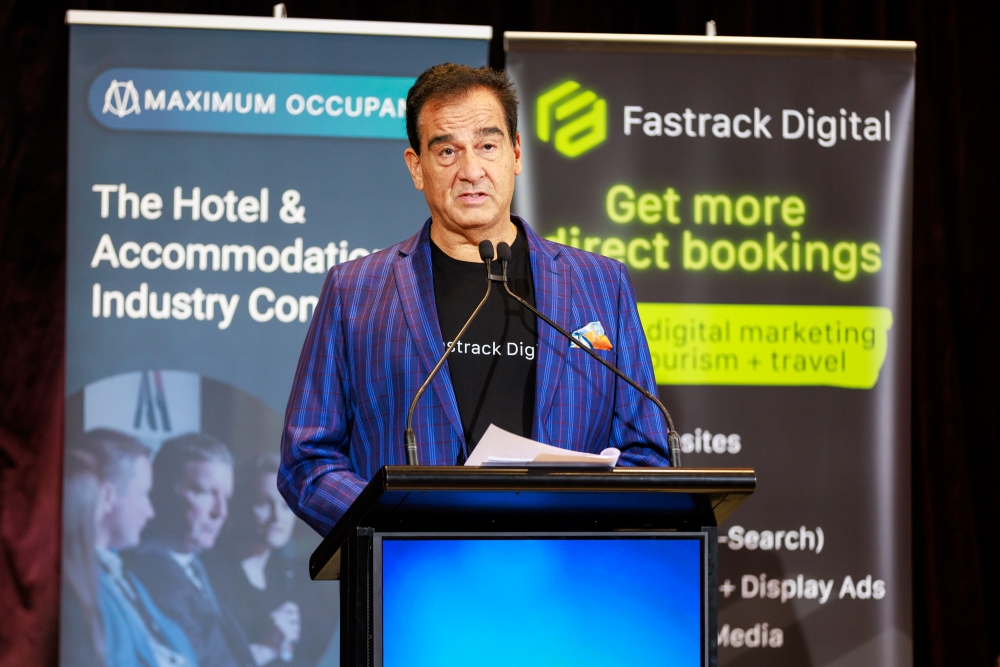
Conference organiser Adrian Caruso, Founder and Managing Director of Fastrack Digital, said: “Having the Lord Mayor open Maximum Occupancy shows how important our industry is to Melbourne. For me, the highlight of the day was sitting down on stage with Paul Constantinou.
“His story of building extended STAY australasia is the kind of insight you can’t get anywhere else.
“The message from the data was clear too: demand is holding and rate is doing the work, so 2027 is about turning that into profit and winning the direct booking.”
Now in its second year in Melbourne, the one-day conference brought together more than 35 expert speakers and a full trade show. Sessions covered the 2027 outlook, AI and how guests book, ownership, labour, F&B and where the next room nights will come from.
Related AccomNews story: Full hotels, thin margins: Maximum Occupancy brings hotel leaders together in Melbourne
The message from the stage was consistent: demand is still growing, operating costs are rising, supply is tight, and rate is now doing the heavy lifting. The challenge for 2027 is turning that rate growth into profit, and making sure guests can find, trust and book your hotel in an AI-first world.
Official opening: the Lord Mayor of Melbourne
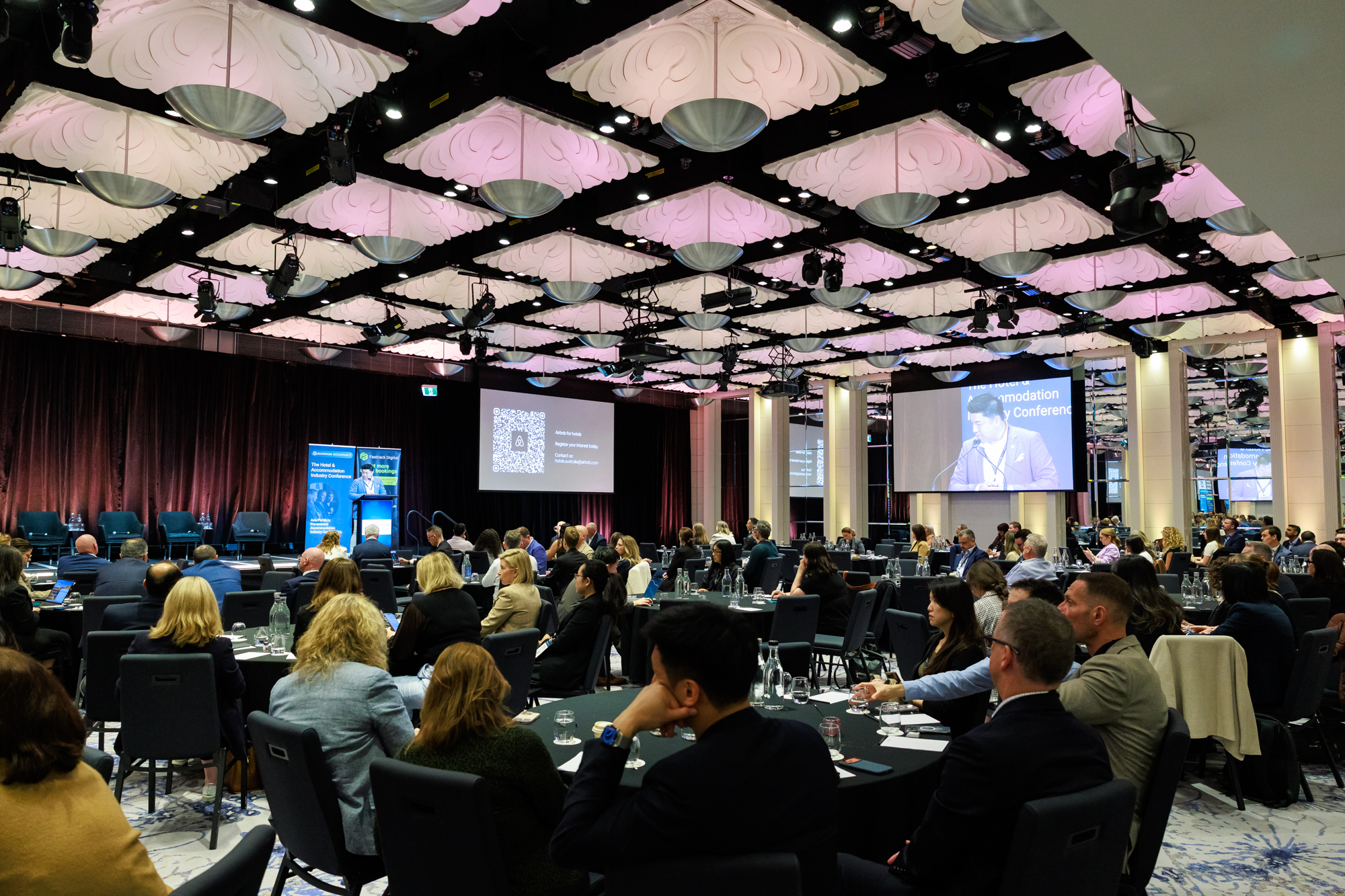
The Lord Mayor, Nicholas Reece, officially opened the conference. He welcomed delegates to Melbourne, the events capital of Australia, and acknowledged the important role the accommodation sector plays in the city’s visitor economy.
His opening set the scene for a day where Melbourne’s major events were a recurring theme. In 2026, the Australian Open, F1, the NFL’s first Melbourne game and the AFL Grand Final all drove strong hotel results, with the AFL Grand Final setting a record, filling rooms not just in the CBD but right across the city.
The Australian accommodation outlook
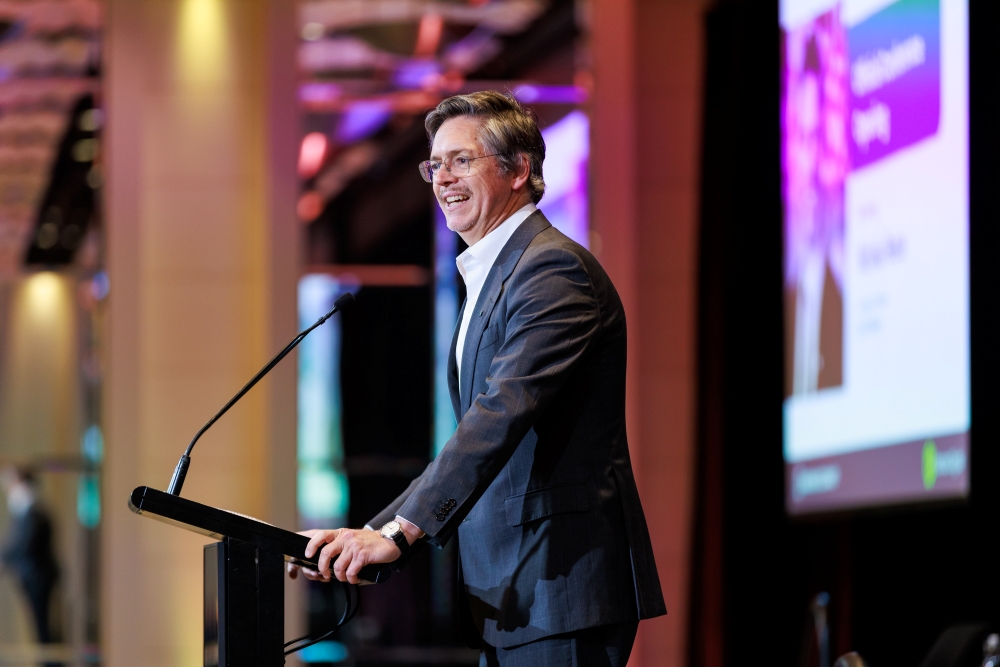
- Jacqueline Choo, Sales, Pacific at STR, opened the program with the latest performance data and a clear message: the fundamentals are strong, but growth is coming from rate rather than occupancy.
- Demand is still outpacing supply. Australia & Oceania’s year-to-September occupancy is 72 percent, with supply growth down to 0.4 percent against demand growth of 1.9%.
- No construction boom. About 14,500 rooms are under construction, in smaller projects of about 130 rooms. Melbourne’s pipeline is 4.7 percent of existing supply.
- Events drive the peaks. At the 2026 AFL Grand Final, Melbourne Centre hit 94.4 percent occupancy at $509 a night, nearly $100 above the previous five-year high.
- Profit is the real challenge. In Sydney, more than half of the extra revenue in the first half of 2026 was absorbed by rising costs.
- 2027 is positive but measured. RevPAR is forecast to grow 3.1 percent in Sydney, 2.7 percent in Melbourne and 2.0 percent in Brisbane, led by rate.
Australian accommodation: the road ahead – James Goodwin, Accommodation Australia
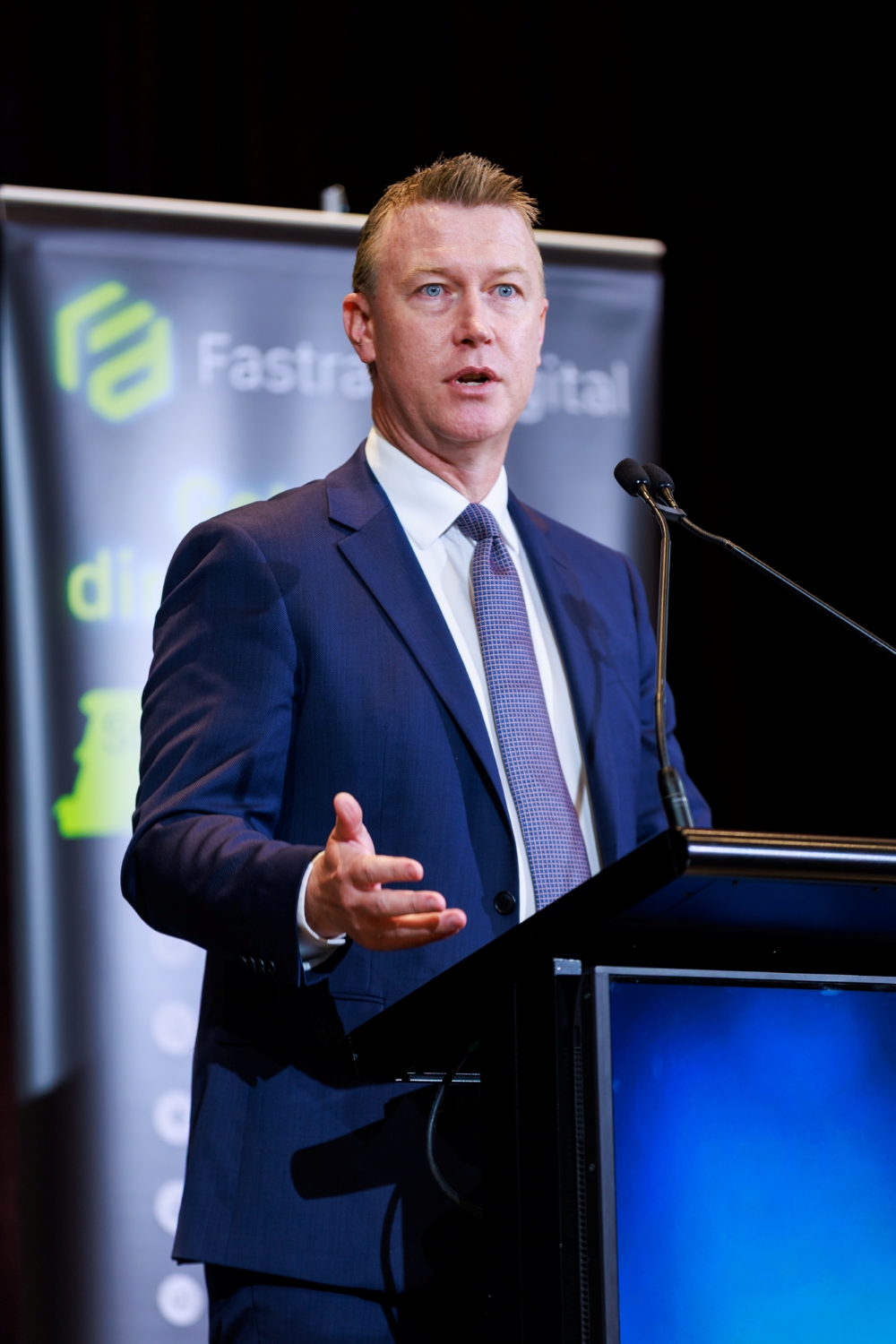
James Goodwin, Chief Executive Officer of Accommodation Australia, delivered the national update.
- RevPAR is up 4.1 percent for the nine months to September, driven by rate (ADR +3.3 percent) more than occupancy (+0.8 percent).
- Victoria leads on occupancy, up 1.8 percent, more than double the national increase.
- International arrivals reached 9.07 million in the year to August, up 5.7 percent, with China up 8.4 percent in August.
- Workforce is the biggest pressure, with 38,000 vacancies and Working Holiday Maker caps from 2027. Goodwin called for more local traineeships and apprenticeships, built by industry for industry.
The state of travel: what 2027 holds for Australian hotels – Adrian Caruso, Fastrack Digital
Conference organiser Adrian Caruso, Founder and Managing Director of Fastrack Digital, put Skift Research’s State of Travel 2026 alongside the Australian numbers.
- International is driving growth. Domestic trips were flat at 112.5 million, while international visitor spend rose 16 percent to $40.5 billion.
- AI is now a habit, but Australians check it. 63 percent of travellers have used AI to plan a trip, yet only 4 percent of Australians fully trust it and 60 percent fact-check it.
- The shelf has shrunk. AI returns a shortlist of one to three hotels, and only about 6 percent of hotels currently appear in AI search.
- Direct wins on trust and value. Booking direct is the most trusted channel, and an Australian direct booking averages $778 against $480 through an OTA.
- Experiences come first. 43 percent of travellers say experiences matter most, making F&B and local experiences key reasons to choose a hotel.
Highlight of the day: building an Australian accommodation empire
The standout session of the day was Adrian Caruso’s one-on-one conversation on stage with Paul Constantinou AM, Co-Founder and Non-Executive Chairman of extended STAY australasia.
Paul is one of the most successful entrepreneurs in Australian accommodation. He founded Quest Apartment Hotels in 1988 with a single property in Fitzroy and grew it into Australia’s largest serviced apartment brand, with more than 170 properties, before selling his final stake to Ascott in 2021.
He has since returned with extended STAY australasia, co-founded with Managing Director Damian Gallace, which owns Aligned Corporate Residences and Corporate Living. In late 2025 it partnered with Choice Hotels to bring the MainStay Suites brand to Australia, launching with seven properties and 581 rooms.
They discussed why extended stay is a growing market:
- Demand is broadening. Longer stays are rising across business, healthcare, government and construction, where guests need accommodation for weeks, not nights.
- Guests want to live like home. Kitchens, laundries and space to work now matter more than traditional hotel extras.
- The segment is under-supplied. Extended stay is less developed in Australia than overseas, drawing in global brands such as IHG, which has signed for at least 15 Staybridge Suites hotels.
- Steady growth ahead. The market is forecast to grow from US$2.48 billion in 2026 to US$3.19 billion by 2031, and longer stays give owners more stable occupancy as margins tighten.
Session highlights across the day
- The Owner’s Table – where owners and investors would put their money in 2027.
- The AI Reality Check – Ravinder Kalvakuntla, Prompt Hospitality Tech, on what has and hasn’t worked with AI .
- Where Will Your Next Guest Come From? – Lisa Patroni, CEO of the Victoria Tourism Industry Council (VTIC), led a panel on how cruise, events, sport, corporate and high-value leisure demand affect occupancy and rate. She was joined by Katherine Oakley, Chief Communications Officer, Melbourne Park; Tom McMenemie, General Manager – Commercial, Luxury Escapes; and Tonya Golberg, Senior Marketing Manager, MONA (Museum of Old and New Art).
- Can Hotel F&B Actually Make Money? – a panel with Ben Kershaw of me&u and Pawan Dutta of The Royce Hotel, named Chef of the Year at the 2025 AHA Hotel Industry Awards, on turning hotel F&B into a profit centre.
- Further sessions covered Airbnb for Hotels, hotel managers’ biggest pressures, labour productivity, marketing budgets, tech debt in M&A, and protecting margins in a full hotel.
The big hotel debate: what does the Australian accommodation industry need to fix?
One of the most senior panels of the day was facilitated by Dougall Hollis, General Manager of Accommodation Australia (Vic), which represents hotels, serviced apartments and accommodation providers across Victoria as part of the industry’s national peak body. He was joined by:
- Lee Davey, State General Manager, EVT Hotels and Resorts, the group behind Rydges, QT and Atura
- David Tonkin, Country General Manager, Oceania, Pan Pacific Hotels Group
- Sarah Derry, Chief People Officer, Journey Beyond, the operator of The Ghan and Indian Pacific
- Llewellyn Wyeth, Vice President of Operations Pacific, Ennismore Hotels
The panel gave a candid view of the issues the industry most needs to fix, and how leading operators are preparing for 2027.
The conference closed with networking drinks hosted by Pullman East Melbourne.
Planning for Maximum Occupancy Australia and New Zealand 2027 events are underway, with dates and venues to be confirmed.