
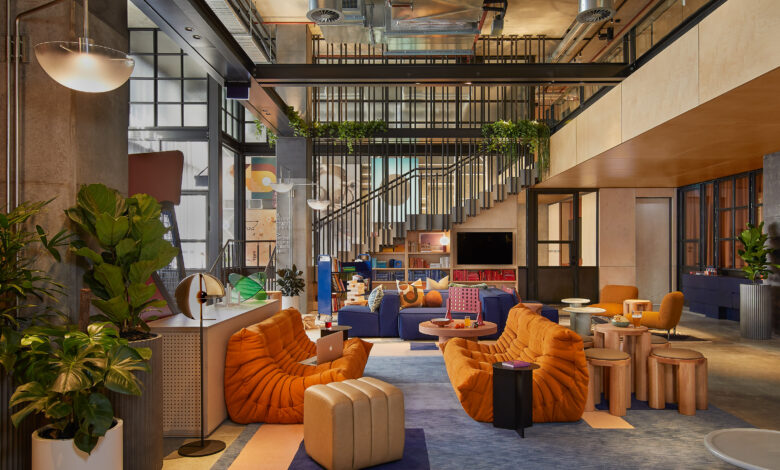
Op Ed: There’s serious life left in the lifestyle hotel growth story
JLL's Ross Beardsell writes, no longer are ‘business hotels’ strictly about business, and a chic new aesthetic is sweeping the market

Two new hotels opening in Sydney in October highlight the ongoing popularity of lifestyle hotels for guests and developers alike.
Sydney’s newest hotel— Caption by Hyatt Central Sydney—highlights that the lifestyle hotels phenomenon is far from running out of steam. In fact, the trend appears to be accelerating.
First published in the latest edition of AccomNews HERE
The launch of the Caption follows the debut of another eclectic lifestyle brand—Ennismore’s 25hours Hotel Sydney The Olympia— transforming a heritage theatre into lavish and dramatic digs that wouldn’t be out of place on a movie set.
Earlier this year, JLL released its Lifestyle Hotels in Asia Pacific report which revealed the number of lifestyle hotel rooms in Asia Pacific had quadrupled since 2014, with nearly 65,000 new rooms having been introduced to the region.
The report attributed the continued growth of the lifestyle hotel sector to evolving consumer preferences, premium pricing power, and increasing investor interest. Projections indicate that lifestyle hotels constitute 6 to 9 percent of new hotel supply in the region.
Interestingly, new lifestyle hotels can be found in city centres, suburban areas, by the water and even next to airports.
No longer are ‘business hotels’ strictly about business. The transformation started with the ‘bleisure’ trend, allowing hotels to attract business travellers after the work week ended, but today the laid-back leisure focus is in play in many hotels 24/7.
Caption by Hyatt personifies the lifestyle trend that started in 2008 with independent brands such as CitizenM and The Hoxton.
Global hotel chains quickly realised the potential of these hip ‘indie’ style hotels and introduced their own sub-brands to Australia including Accor’s MGallery, IHG’s Hotel Indigo, and Marriott’s Aloft and Autograph Collection.
Marriott emphasised the trend by recently purchasing CitizenM and will open more lifestyle hotels in Asia Pacific than any other hotel group in the next three years.
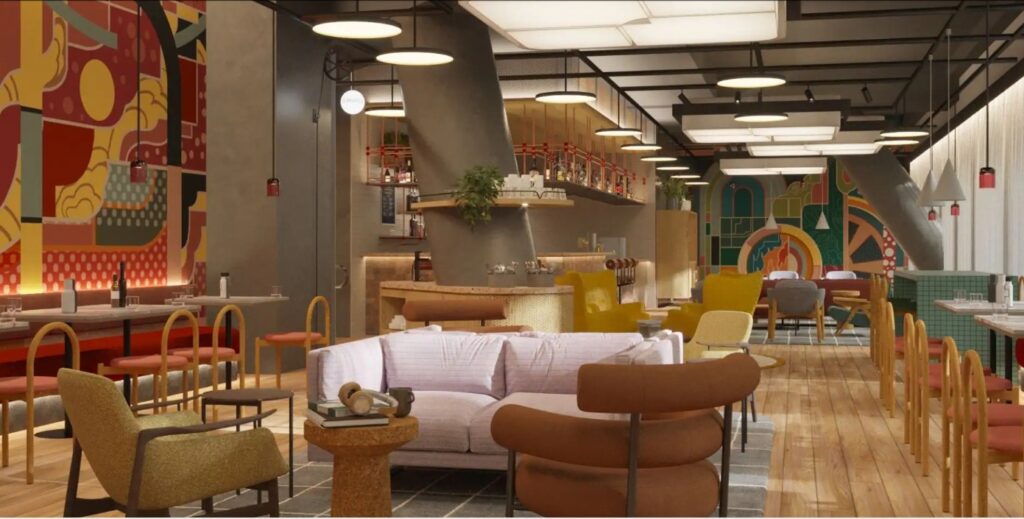
Caption by Hyatt Central Sydney is the first of the brand to open in Australia. It joins other Caption hotels in Japan and China.
The Sydney hotel has opened in the heart of bustling Haymarket with the super-cool new Atlassian offices under construction just up the road and Darling Harbour’s corporate offices in the neighbourhood.
The brand is upscale, select-service and focused on fostering connection and community in flexible, stylish, and tech-forward social spaces called “Talk Shop”, which is part café, part bar, part community hub. The idea is for the space to be full of Gen Zs and Millennials on their laptops plugging in for a solo session or discussing the latest AI project with colleagues or prospective clients.
Related AccomNews story: Rise of the bleisure traveller
It’s not a coincidence that Caption by Hyatt opened on the same day as South by Southwest (SXSW) Sydney festival which, like the Talk Shop, aims to “bring people together to inspire the unexpected and dedicated to helping creative people achieve their goals.”
Whereas previously, traditional business hotels prided themselves on uniformity and delivering a standardised experience, Caption by Hyatt adopts a laissez-faire attitude saying: “We are all about good energy and doing things your way—no fluff, no fuss.”
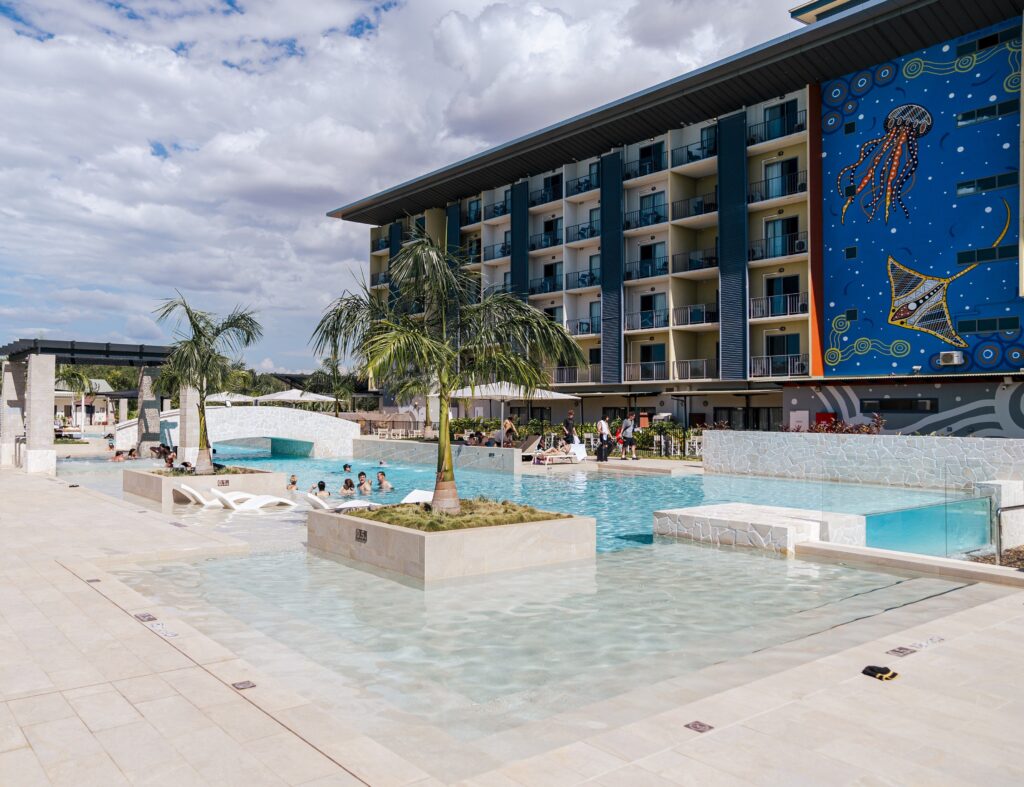
Arguably the most standardised hotel product is usually found at airports. But not anymore. Darwin Airport Resorts changed that in Australia by combining three business branded hotels—Novotel, Mercure and Ibis—and transforming them into a resort precinct just five minutes’ walk from the airport terminal, but a million miles away from the traditional airport hotel.
With a 65-metre swimming pool, pool villas and a massive new restaurant that flows into the pool area, the resort is as popular for leisure staycations as it is with business travellers or transiting passengers.
While not having the space for resort facilities, the Moxy hotel at Sydney Airport has gone a long way to making it an attractive base for any reason, not just airport convenience. “Sydney’s new airport hotel might be the city’s coolest,” was the headline in Traveller, when the hotel opened a few years ago.
Travel writer Julietta Jameson said that Marriott’s Moxy brand was one of the world’s original “Millennial” hotel brands.
“Designed for the first generation who’d never known a world without internet, the brands were driven by the preferences and price sensitivities of digital savvy young adults, and the advent of the Millennial hotel has in many regards revolutionised the industry, bringing local connection and unique design into the mainstream,” she wrote.
This is characterised in Moxy Sydney Airport’s edgy design that rather than trying to hide the fact that it is in the heart of an industrial area, celebrates the fact through its “converted warehouse vibe”. Bars serve local beers from nearby craft breweries, accompanied by DJs in the evening. There is serious coffee and everything from rooms, lounge areas and even conference rooms defy the conventional in colour and attitude.
Read more from Ross Beardsell on AccomNews HERE
On the other side of Botany Bay, the prominent Novotel Brighton Beach is also now aiming for a lifestyle audience, having been rebranded as The Brighton Hotel, part of the MGallery collection.
Expansive glass facades have been introduced, and the hotel’s interiors are radically different, featuring calming textures, natural materials, and a colour palette drawn from seafoam, stone and sun.
One of the biggest drawcards will be the hotel’s hatted restaurant Ammos Brighton, which is helmed by Greek-Australian chef Peter Conistis.
The addition of feature restaurants is one of the reasons why lifestyle hotels attract 30 percent higher F&B (including MICE) revenue per occupied room on average compared to traditional hotels, according to the JLL Lifestyle Hotels report.
The future for lifestyle hotels in APAC is bright, not just because they tap into the new face of corporate travel, but also because they command a 10 to 11 percent price premium, making them a compelling option for developers.
This article first appeared in the Spring edition of AccomNews. Click below to explore.

Excellent article!
Great read. I always thought that CitizenM started the whole lifestyle trend, but I now read that W Hotels might have started it a decade earlier…but I still thiink the contemporary lifsetyle hotel trend is down to CitizenM in the mid-2000s. Now every hotel wants to be seen as a lifestyle hotel.