
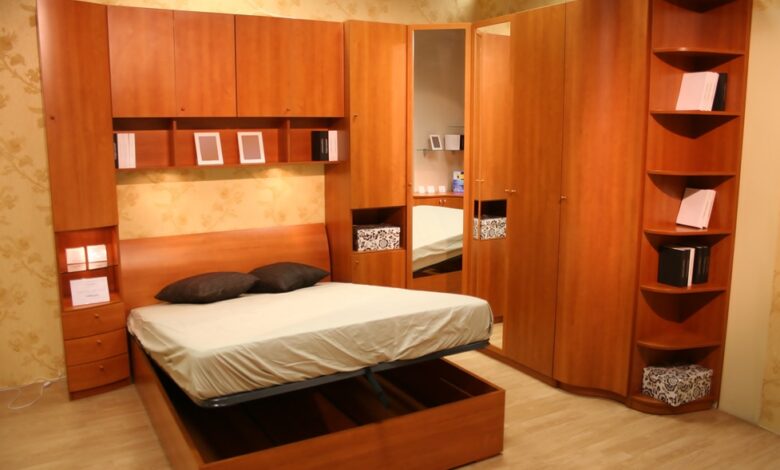
Increased occupancy, maximised efficiency: Flexible bedding solutions
Dynamic, easy to use flexible bedding solutions can help to ensure that revenue opportunities are not missed, and guests leave satisfied.

In many ways, there is no such thing as the typical, modern traveller; guests who pass through accommodations come from all walks of life, in different configurations, and are staying for many reasons.
Flexibility, therefore, is key; a room that might hold a single business traveller one night may accommodate a dad with toddlers the next day, followed by a couple travelling with teenage children.
Read the latest edition of AccomNews HERE
The rooms themselves cannot change in size, so bedding solutions need to be dynamic, easy to use and comfortable for guests to ensure that revenue opportunities are not missed, and guests leave satisfied. There are several solutions to increase occupancy and offer flexible solutions, from rollaway to zip beds and traditional bunks.
Rejuvenating spaces with rollaway beds
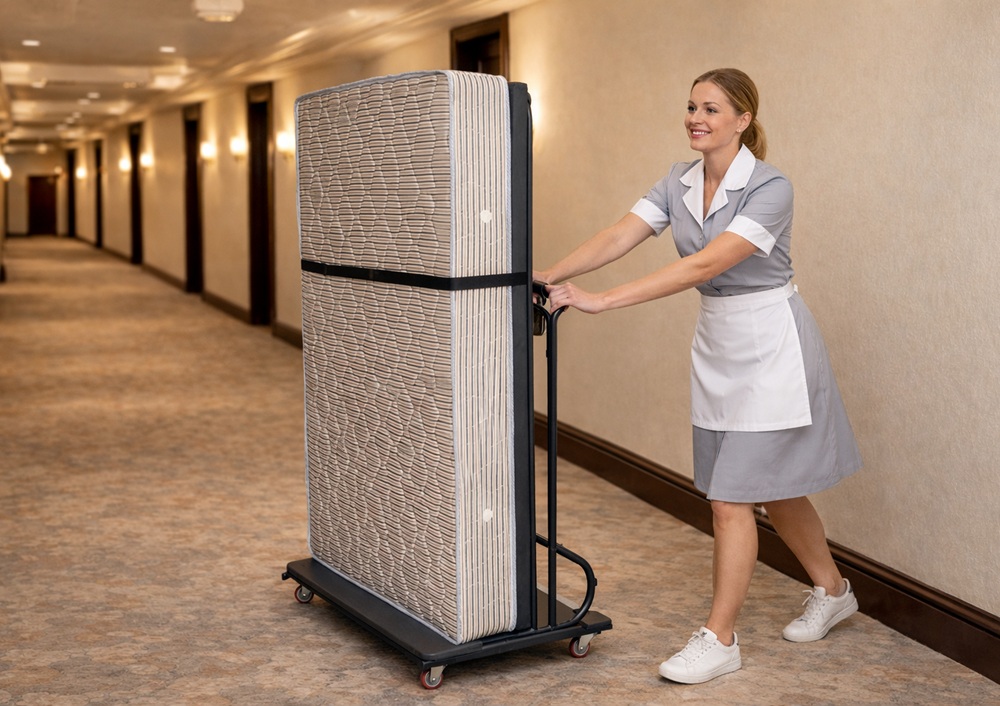
Rollaway beds are a perennial favourite for offering additional sleeping space, thanks to their comfort, durability and ease of use.
Swisstrade’s Managing Director, Peter Weingartner, said that rollaway beds have remained popular because they offer flexibility without operators needing to permanently alter room configurations. “What’s changed in recent years is guest expectation. Travellers increasingly expect the same level of comfort regardless of where they’re sleeping in the room.
“An additional bed shouldn’t feel like an afterthought. The most successful operators are looking at every guest touchpoint through the lens of experience, and sleep quality is one of the most important. That’s why the complete bedding experience must include quality linen, soft bedding and a comfortable topper with thoughtful finishing touches being just as important as the bed itself.”
As well as being comfortable for guests, rollaway beds can be a cost-effective, hardwearing option.
Mr Weingartner said that hotels need products that perform consistently under demanding conditions. “Furniture is moved, stored, deployed and used repeatedly, often by multiple teams across the property. One mistake operators sometimes make is focusing solely on storage footprint. While compact storage is important, it shouldn’t come at the expense of guest comfort. The challenge is finding a solution that delivers both operational convenience and a genuine sleep experience.
“We’re seeing a broader trend across hospitality where purchasing decisions are increasingly driven by operational outcomes. Operators aren’t simply asking whether a product works; they’re asking whether it supports efficiency, reduces friction for staff and contributes positively to the guest experience. Solutions that deliver on all three tend to provide the greatest long-term value.”
Related AccomNews story: Layered linen for comfort and consistency
The value of flexibility depends on readiness, said Mr Weingartner; a rollaway bed only delivers operational benefits if it can be deployed quickly and confidently when needed.
“That starts with practical storage planning. Beds should be stored in accessible locations and maintained as part of routine operational checks. Protecting the bed during storage is equally important. The use of a durable zip-up cover helps protect both the frame and mattress from dust, damage and general wear.
“Many operators are also creating complete bedding kits that can be deployed at the same time as the bed. This reduces response times and ensures consistency and a seamless experience for the guest. Ultimately, the goal is to make the additional bed feel like a planned part of the room offering rather than a last-minute solution.”
Zip beds: Connecting with guests’ needs
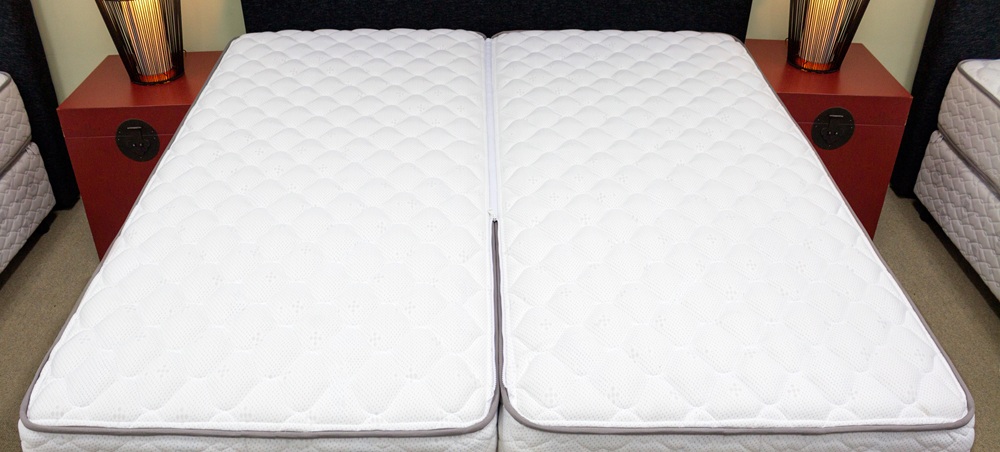
Many accommodation operators favour zip beds for their ability to offer single and multi-bed options in the same space, with minimal furniture movement.
Zip beds can be a great option in the right setting, said David Costantini, Group Commercial Manager for A.H. Beard. “Zip beds require providers to carefully consider room specifications. Adequate space and clearance are essential to allow safe mattress separation and reconfiguration without risking damage to walls or furniture.
“Set-up involves aligning and securing the mattress joins, which may require initial staff training to ensure consistency.
“Zip configurations enable providers to switch between twin and larger formats, typically a king configuration. However, this flexibility can increase the frequency of handling and operational demands, which may extend room turnaround times between guests.”
This increased turnaround time can be offset by the potential for appealing to a greater guest base, however, by giving the edge over accommodation operators with less flexible setups.
Accommodation providers should prioritise mattresses built with high-quality components and robust manufacturing standards to ensure long-term durability, said Mr Costantini. “Using proven, high-performance foams helps maintain comfort and structural integrity over time.
“It’s also important to select mattresses with strong, commercial-grade zip systems, as these better withstand frequent movement and consistent body pressure during guest stays. Where mattresses are joined, a foam box edge system can improve edge support and overall comfort for guests.
“Finally, the base design should suit the flooring type. Castors are ideal for carpeted areas, allowing easier movement, while glides are better suited to hard floors, offering greater stability and surface protection.”
While zip beds offer excellent flexibility, said Mr Constatini, in high-volume budget properties with tight turnaround times, the operational effort of regularly splitting and reconfiguring beds may outweigh the benefits.
“That said, they are ideal for hotels, serviced apartments, and short-stay environments where room adaptability is a priority. Zip beds perform best in spacious rooms with efficient operational processes, allowing easy switches between twin and larger configurations to maximise occupancy. Properties serving a broad guest mix, couples, families, and groups, benefit most, as a single room type can meet varied needs while maintaining consistent comfort.”
Options for every space
There are solutions available for every space when it comes to offering flexible bedding options. Convertible furniture works well for accommodation settings with minimal storage room; sofas and other furnishings including armchairs and day beds can offer temporary additional bedding that serves a secondary purpose.
Sofa beds come in a wide range of shapes and sizes, and can be of high quality and comfort; look for options that offer sprung or memory foam mattresses rather than the foam type, which typically do not offer as good a night’s sleep. It is also worth checking that they fulfill their other role well and provide a comfortable seat for day-to-day use.
Day beds with trundlers can offer either two smaller additional beds or a double, queen or even king as needed, all while packing away to a practical size when not in use that offers guests a comfortable, luxurious relaxation space.
Related AccomNews story: Purpose built beds and mattresses for well-rested travellers
Convertible furniture options like these ones are generally quick and simple for housekeeping to set up, but proper training and maintenance is still important to ensure staff safety and equipment longevity.
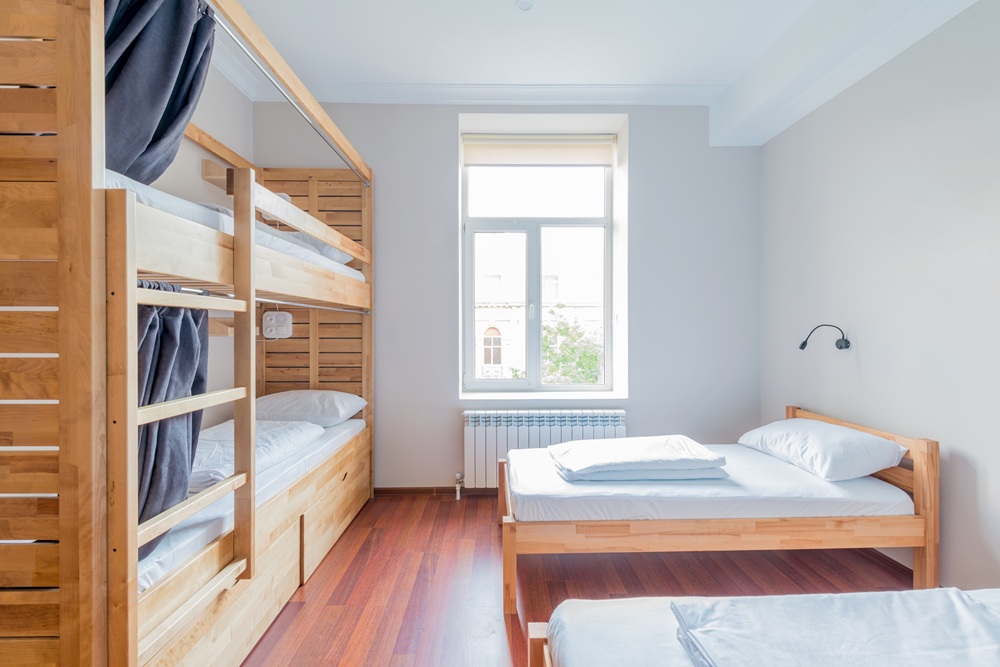
However, if more permanent configurations are needed or space is tight, bunk beds might offer the most sensible solution. With the benefit of no setup time, they provide an instantly family-friendly space that can be more durable and safe to maintain than other options. There are many choices for bunks, including various double and single combinations to fit every space.
Bear in mind though that housekeeping staff must be able to change bedding and clean on upper levels, which takes additional time per room and may not be practical for all staff.
Smart, flexible solutions
With many options that offer safety, comfort and flexibility, there is bound to be a suitable solution for every accommodation operator to offer groups of all shapes and sizes an enjoyable stay.
Gaining a reputation as a family-friendly setting, as well as a spot for a weekend with friends, couples holiday or business trip, can help ensure no revenue opportunities are lost, and guests remember a welcoming, flexible stay.
This article first appeared in the Winter edition of AccomNews. Click below to explore.