
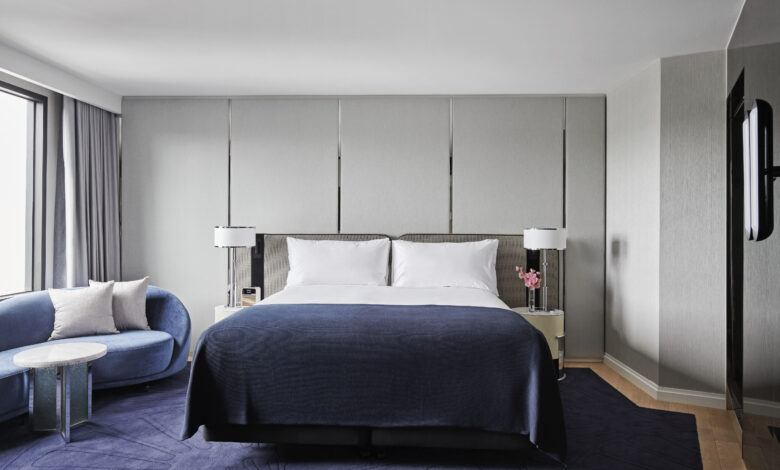
Layered linen for comfort and consistency
Layered linen systems can be easily adapted to suit different climates and guest preferences, providing year-round comfort

Guest’s want year-round comfort, which means bedding is becoming a more considered part of the accommodation experience. It’s no longer just about additional warmth in winter, but about creating a sleep environment that meets guest expectations across all seasons.
For operators, this means rethinking traditional approaches to quilts and blankets, with a move towards layered systems that can adapt to different climates and guest preferences. At the same time, durability and sustainability remain key considerations in a commercial setting.
Read the latest edition of AccomNews HERE
For advice on building the best bed linen system, AccomNews spoke to industry experts at Swisstrade and Australian Linen Supply.
As guest expectations shift towards year-round comfort, how can operators use layering to deliver warmth while maintaining breathability?
Helen Hurst, National Sales & Marketing Manager, Australian Linen Supply: Layered blanket systems provide a cost-effective way to deliver hotel-grade sleep comfort year-round, particularly for multi-property groups managing consistency across varied climates.
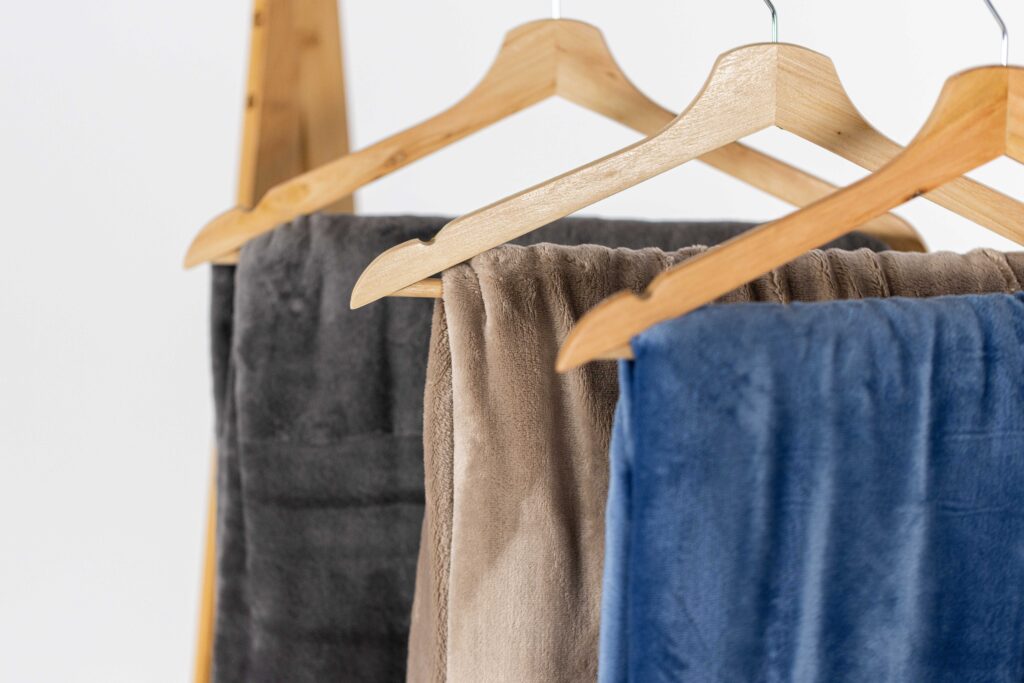
Rather than increasing quilt weight during winter, consider maintaining an all-season quilt as your standard and introducing a medium-weight plush microfibre blanket during the cooler months. This approach allows guests to personalise their comfort, adding the blanket when needed, without compromising breathability or overheating the bed.
Related AccomNews story: Wrapped in comfort: Towels, robes and slippers that define a luxury stay
For operators focused on sustainability targets, selecting GRS-certified recycled polyester blanket options can further support environmental reporting goals. This demonstrates measurable progress in reducing virgin plastic use while maintaining commercial durability and performance.
Harsh Chugani, Linen/Bedding Expert and NSW/ACT Account Manager, Swisstrade: Guest expectations have shifted toward year-round comfort, with bedding expected to perform across varying climates and sleep preferences. This is driving a move away from heavy, heat-retaining constructions toward breathable quilt inserts and layered bedding systems.
TENCEL™, Lyocell, bamboo blends and advanced down-alternative fills offer improved moisture-wicking and thermal regulation compared to traditional polyester. These materials help maintain warmth while allowing airflow, reducing the risk of overheating.
Related AccomNews story: Purpose built beds and mattresses for well-rested travellers
Layering is also key. Lightweight quilts paired with breathable blankets, coverlets or throws allow guests to adjust comfort intuitively while maintaining a full, premium presentation. When combined with well-fitted sheets, protectors and toppers, bedding performs as a system rather than individual components.
Fit also plays a critical role, incorrect proportions may restrict airflow or add unnecessary weight. A fit-and-measure approach ensures each layer works together, supporting both guest comfort and operational consistency.
How are blankets evolving in terms of design, texture and finish, and what trends are you seeing?
Helen Hurst: When it comes to selecting hotel blankets, three key factors help guide the right decision: comfort, performance and cost. The ideal solution is a careful balance of all three.
Hotels are increasingly seeking textures that look and feel elevated, yet remain cost-effective to produce. Subtle woven finishes, soft-touch surfaces and refined hems can enhance guest perception without significantly increasing unit pricing.
For price-driven markets, plush microfibre or polyester continues to dominate. It offers reliable warmth, durability under commercial laundering and strong value for money, making it a practical choice for high-volume operators.
At the same time, recycled microfibre options, such as GRS-certified recycled polyester, are gaining traction. These products can remain commercially competitive while supporting sustainability targets and environmental reporting goals.
Harsh Chugani: Quilts are evolving toward higher fill power down and premium down-alternative inserts that deliver loft and volume without added weight. This creates the cloud-like aesthetic guests expect while improving breathability and reducing heat retention.
Percale cotton casings are also increasingly specified, allowing greater airflow through bedding layers compared to heavier sateen finishes, while maintaining a crisp, premium feel.
Styling is becoming more relaxed and layered, with traditional heavy bedspreads replaced by blankets, coverlets and textured throws. This creates visual depth without adding heat, while improving flexibility for guests and practicality for housekeeping.

What should accommodation providers consider when selecting blankets and bedding for durability and performance in a commercial environment?
Helen Hurst: Operators need to balance guest comfort with operational efficiency. Durability and performance are critical in a commercial environment, where frequent laundering, high guest turnover and varying climate conditions place heavy demands on bedding. Choosing fibres that retain their softness and structure after repeated commercial washing is essential to maintain both comfort and appearance.
Ultimately, modern blanket decisions are less about luxury versus budget and more about achieving the right combination of guest comfort, operational durability and commercial viability.
Harsh Chugani: Durability under frequent industrial laundering remains critical. Long-staple cotton helps prevent thinning and pilling, maintaining both appearance and comfort across repeated wash cycles.
Combed, ring-spun cotton yarns are particularly suited to hospitality environments. The longer fibres help fabrics retain their finish and resist breakdown under high-temperature washing and mechanical finishing. Open-end yarns may reduce upfront cost, but they typically lose softness and structure more quickly.
Construction details also matter. Reinforced hems, higher stitch counts and appropriate fabric weight help bedding withstand commercial processing, including ironers and folders operating at speed. These features directly influence product lifespan and operational efficiency.
What key shifts are you observing in sustainability and how are these influencing industry standards?
Helen Hurst: In commercial bedding, there are noticeable shifts in materials and fibres toward more sustainable and responsibly sourced options. These changes are being driven not only by growing guest expectations around environmental responsibility, but also by hotel operators’ increasing commitment to reducing their environmental impact and meeting their corporate sustainability goals.
The biggest changes include the increased use of recycled materials, such as rPET from post-consumer plastics, reclaimed cotton and other recycled fibres. Some advanced fibres now blend recycled textile waste with recycled PET to create certified filling fibres for pillows and duvets, reducing carbon footprint without sacrificing performance.
Organic cotton is gaining traction as a sustainable bedding material due to its lower environmental impact, including reduced pesticide use, lower water consumption and biodegradability.
Harsh Chugani: Sustainability in hospitality bedding is shifting toward lifecycle performance. Recycled polyester fills are becoming more common in quilt inserts and pillows, alongside plant-based fibres such as TENCEL™ and bamboo.
Durability is also becoming a sustainability metric, with longer-lasting sheets, quilts and protectors reducing replacement frequency and operational waste.
End-of-life management is another growing focus, with more operators implementing linen repurposing programs rather than sending retired bedding to landfill. Certification standards such as OEKO-TEX® and Global Recycled Standard (GRS) are also becoming baseline requirements across hospitality bedding.
The Autumn edition of AccomNews is out now. Click below to explore.