
AI presents tourism’s biggest shake-up since the internet
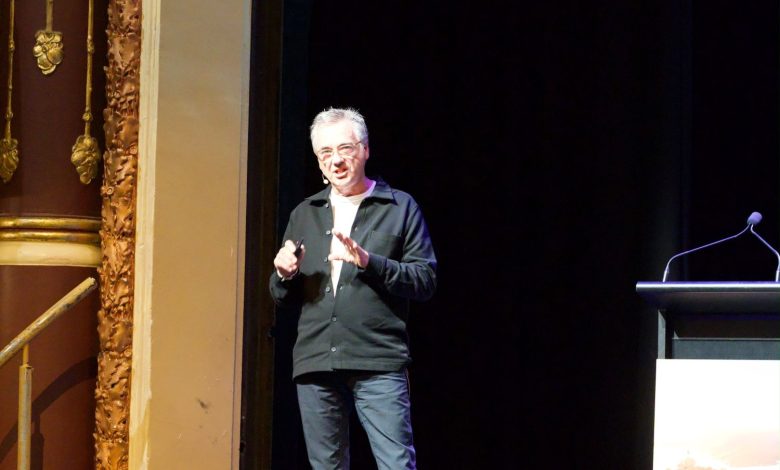
Speaking at Meeting Place 2026, Viator founder Rod Cuthbert said tourism businesses who don't embrace AI risk being left behind

Artificial intelligence will fundamentally reshape the global tourism distribution system, challenging established business models and forcing tourism operators to rethink how they deliver value, according to Viator founder Rod Cuthbert.
Speaking at the Australian Tourism Export Council’s (ATEC) Meeting Place 2026 in Hobart, Mr Cuthbert drew parallels between the arrival of AI and the emergence of the internet 30 years ago, which transformed the way travel was researched, sold and booked.
Read the latest edition of AccomNews HERE
“Thirty years ago, I spoke at an AFTA conference about the arrival of the internet and what it might mean for tourism businesses,” Mr Cuthbert said.
“Some recognised the opportunity and worked out how to adapt and profit from the change, but others thought of it simply as a way to put their brochures online.
“The idea that consumers could eventually book their own flights without a travel agent seemed almost impossible, yet today the ability to research, compare and book travel online is so convenient and accessible we take it for granted.”
“Since then we’ve seen Google, online travel agents, smartphones, social media and consumer reviews transform the travel landscape and today AI represents another fundamental shift as significant as the arrival of the internet itself.”
Mr Cuthbert said the implications would be particularly far-reaching for businesses operating in the tourism distribution channel, where traditional roles and relationships could be challenged as AI changes how travel products are discovered, packaged and sold.
Related AccomNews story: Frank Pitsikalis: Smarter AI for more personalised, human-centred interactions
“If you’re operating between the tourism supplier and the end customer, you need to be able to justify your position in that distribution channel,” he said.
“AI offers enormous opportunities to improve business efficiency, but the real opportunity, particularly in export tourism, is how businesses use it to collaborate with their industry partners.”
“By using AI to make their knowledge, expertise, products and commercial relationships more accessible to distribution partners, tourism businesses can strengthen those partnerships and demonstrate the value they bring to the market.”
Mr Cuthbert said adapting to AI was as much a leadership and cultural challenge as a technological one, requiring business owners and boards to recognise the scale of change ahead.
“This is a fundamental fork in the road for our industry, and businesses that fail to recognise the significance of this shift risk being left behind,” he said.
“If business leaders aren’t prepared to embrace this change, I question whether some of those businesses will still be here in five years’ time.”