

Beyond clean: Picture perfect housekeeping for the Instagram generation
Today, guestrooms can't just be clean; they must be ready for their close up. Is your property ready to be an Instagram star?

They say you never get a second chance at a first impression—and in accommodation, that first impression often happens before the guest has even unpacked.
From the scent of the room to the smoothness of the bedspread, guests arrive with all senses on high alert. In today’s Instagram-first travel culture, it’s not just about cleanliness anymore. It’s about presentation, emotional impact, and whether your guestroom is ready for its close-up.
Read the latest AccomNews print edition HERE
According to respected housekeeping expert Liz Lycette, Founder and Managing Director of L&A, visual symmetry, freshness, and attention to detail are non-negotiables.
“When a guest enters a room, all their senses are on high alert. The room needs to be bright and airy, smell fresh, and be set up perfectly—everything straight, neat, and tidy,” she said. “The bed should be smooth and wrinkle-free. All the lights should work. These small details form the foundation of a guest’s perception of cleanliness.”
It’s no wonder that hotel housekeeping teams are now unofficial members of the marketing department. A room isn’t just appreciated; it’s photographed, shared, and reviewed. So how do teams keep standards high?
Ms Lycette is clear: “Training, training, training. Use a dedicated trainer who also handles quality control. Buddy training doesn’t work.”
She also stresses the importance of taking care of your team: “When room attendants feel valued, they care about the results. Talk to them. Listen. Fix problems fast to ensure a consistently high standard.”
She added that it’s vital to have a rigorous quality control system that includes documented daily room checks.
“These need to be measured with accurate scores, giving quantifiable results. Hold those who cleaned and checked the rooms accountable,” she said.
Beyond the basics, it’s going the extra mile that really impresses—anticipating guest needs and adding thoughtful touches. “Delighting guests is about staying one step ahead. It’s like being a detective,” she said.
“Unlike other staff, room attendants can see what guests have used, their habits, what they like and don’t like, and can act. But they need tools and trust to make that happen.”
She said small gestures should never be overlooked—anticipating guests’ needs and going that extra mile makes all the difference. “It could be as simple as a smile and an offer of help with luggage, making a cup of tea for a guest who has a cold, or refilling and adding a little extra when a guest uses certain amenities.
“Management can help by giving the housekeeping team some little extras for guests, like bookmarks, cable ties, mouse pads, kids’ toys—the list goes on…”
On the flip side, it’s the simple oversights that trigger the most complaints. “Guests expect a perfectly clean, well-stocked room with everything working. That sounds easy, but it’s incredibly hard to deliver consistently.”
Dusty skirting boards, crumpled pillowcases, empty dispensers or a rogue hair in the bathroom aren’t just missing details; they’re potentially damaging to your brand. In the age of viral reviews and smartphone cameras, nothing is safe from sparking a negative review.
Ms Lycette believes it’s time for a shift in how housekeeping leadership is viewed. “I’m always surprised how little management invests in training their housekeeping supervisors and managers. There’s still an outdated mindset that ‘it’s just about cleaning.’ But good housekeeping management is so much more.”
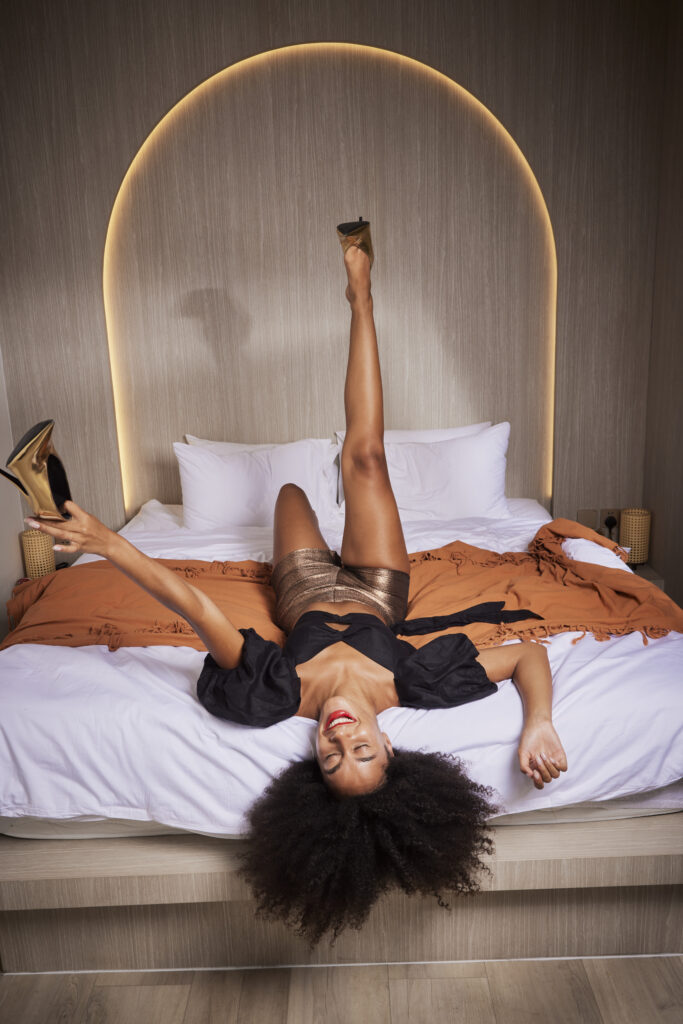
This pressure is magnified in today’s era of digital storytelling. As travel content creators and even everyday social media users check in, every guest has the potential to be your greatest ambassador—or your biggest critic. That’s why some of the savviest accommodations are leaning into presentation as part of their brand identity.
Catering to the Instagram generation
Take Bali’s Neon Rose Motel, for instance. With just four visually striking rooms tucked down a laneway in Pererenan, it’s proof that design-led accommodation can punch well above its size. From blush-toned walls and plush daybeds to curated playlists and filtered water on tap, this so-called “micro motel” understands that guest expectations today are as much emotional as they are functional.
Originally a bread factory, Neon Rose has been reimagined as a stylish, soulful retreat for design-conscious travellers. But what sets it apart isn’t just what’s visible.
“We didn’t want Neon Rose to be just a stylish crash pad,” founder Min Siah said. “It’s for travellers who want to plug into the local frequency.”
That intention plays out in a thousand small ways. Guests enter via a quiet alleyway, guided only by a whisper of neon and the phrase “this must be the place”. There’s no reception desk—just clues and cues that invite guests to discover, rather than check in.
Every element of the guest experience is deliberate. “At Neon Rose, every detail is designed to feel intentional and personal, not just functional,” Siah explained. “One example is our bespoke, locally produced scent: a signature blend of rose, frankincense, and neroli. We put a lot of thought into it, as it needed to strike a balance between feminine and masculine notes. It’s infused into the guest shampoo, body wash, and hand wash to create a subtle, sensory experience.”
The atmosphere at Neon Rose isn’t a by-product—it’s an intentional part of the design. “First impressions are everything, and we believe that ambience should speak before a single word is exchanged,” Siah said. “Scent plays a huge role in that. It has the power to set the emotional tone for a stay and make someone feel instantly calm, curious, or at ease.”
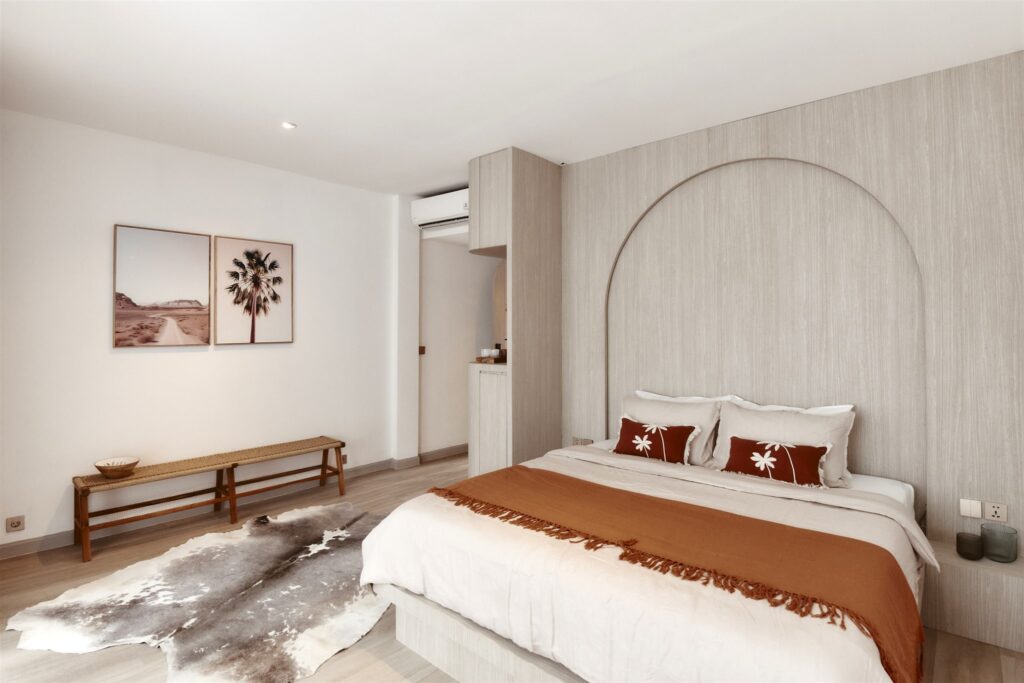
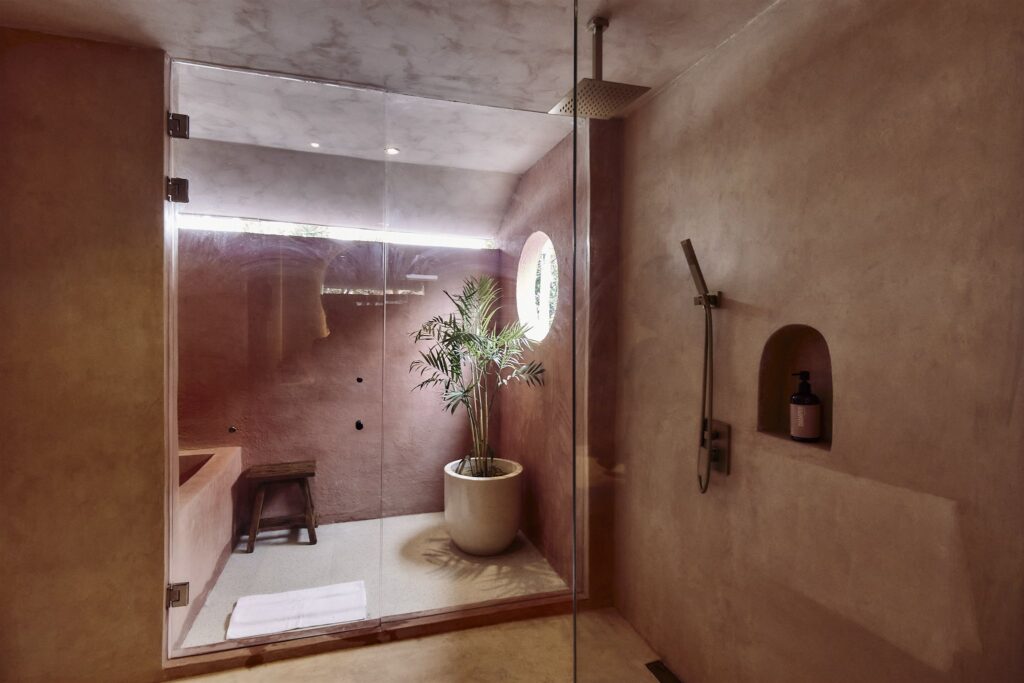
This sensory strategy continues throughout the experience—flattering lighting, eco-plaster walls made using recycled glass and sugarcane fibre, and homemade cookies on arrival, baked fresh at sister bakery Wheatfields. Guests can slip into waffle-weave bathrobes, enjoy filtered drinking water on tap, and brew coffee with blends from local favourite Expat Roasters.
“We love that our guests can step outside and access a dynamic local scene—whether they’re here to surf, practise yoga, explore design and art culture, or simply eat well,” Siah said. “The neighbourhood has a strong creative spirit and a slower pace that invites you to settle in and really live here, even if just for a few days. That’s the energy we’ve tried to capture.”
A lot of thought has been put into just four rooms, but therein lies the point. In 2025, presentation isn’t just about appearances. It’s about atmosphere, emotion, and experience. And when rooms are this carefully curated, it doesn’t just offer guests a good night’s sleep—it also becomes great content.
In 2025, guestroom success is a sensory game. Presentation isn’t superficial; it’s strategic. When rooms are clean, well-styled, and emotionally engaging, they become more than just a place to sleep. And in an age of algorithm-driven impressions, those first few moments count more than ever.