
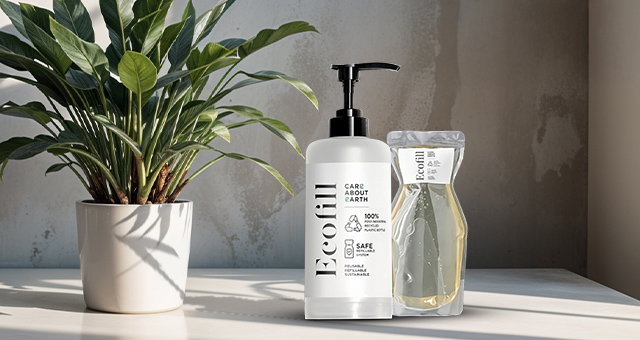
Enhancing guest experience with thoughtful amenities
Luxury in-room amenities can elevate your guest's experience from average to unforgettable, and leave a long lasting impression.


Top accommodation providers are known for going above and beyond to elevate the guest experience. In a competitive industry, little details can make all the difference by adding value to a guest’s stay, as well as helping to build a distinct and appealing brand narrative.
Premium guestroom amenities and in-room products can raise the standard and quality of your accommodation offering. The right selection has the power to bolster brand reputation, craft a compelling property story, and even create new revenue streams.
The latest edition of AccomNews is out now. Read it HERE.
Relaxed and pampered: Skincare and bathroom products
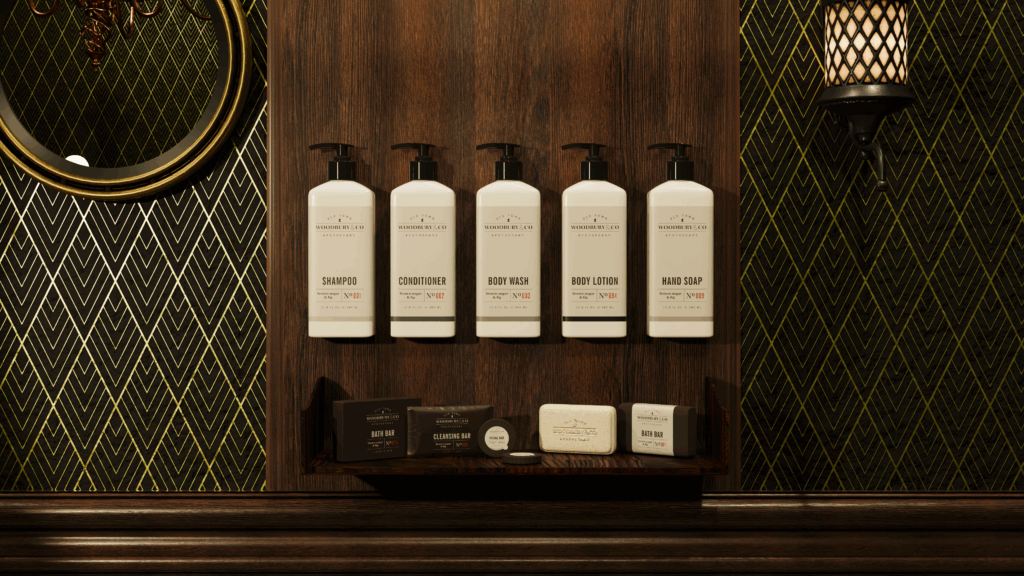
The bathroom is often a site of pampering and relaxation, and for many guests, their accommodation’s bathroom is an exciting place of discovery. Luxury bathroom collections and designer skincare and wellness products can introduce a premium offering and experience for guests. Beautifully designed packaging, curated scents and quality ingredients can deliver an in-room, spa-like experience that guests will never forget.
Accommodation providers are no longer limited by the traditional offerings of shampoo, conditioner, and bodywash. In addition to these essentials, some luxury lines have expanded to include extras like face masks, bath salts, pillow sprays, sleep-balms, and natural scrubs. Including unexpected items beyond the basics in your bathroom will help guests feel spoiled, inviting them to sample new products.
Using a signature line or scent for your amenities can create a lasting impression on guests. Smell is known to be strongly associated with memories, ensuring your guests will recall their stay long after check-out.
Julie Costerg, VP of Marketing at Hotel Emporium, Inc, said “luxury amenities elevate the guest experience beyond function—they create a sensory moment guests remember.
“Designer skincare and wellness items signal attention to detail and quality, while a signature scent becomes part of the property’s identity, triggering instant brand recall. They also contribute to a property’s overall brand image, positioning it as refined, thoughtful, and guest-focused.”
Jenna Szymanski, Head of Sales and Marketing at Swisstrade, agreed that luxury amenities can help hotels solidify their branding. “Luxury amenities extend beyond function—they shape a hotel’s identity and create lasting memories. Wellness touches such as pillow sprays, yoga mats, or sleep masks provide elements that transform a guestroom into a sanctuary, leaving guests with a sense of belonging and renewal.”
Tobias Lord, Head of Brand at Weatherdon, added that these small touches can be the difference between a good stay, and a great one. “In their home away from home, a touch of indulgence becomes a treasured moment for your guests, and making those few seconds special is a great step towards a positive review and a returning visit.”
An upsell opportunity: From guestroom, to gift store to your visitor’s home
Showcasing luxury bathroom products or other amenities at a property creates an opportunity for a new revenue stream.
Ms Costerg noted that having amenities consistent with available retail items in a lobby boutique creates a subtle upsell opportunity. “Guests who fall in love with a lotion, fragrance, or wellness item in their room often want to take it home. These touches show that a hotel values comfort, wellbeing, and individuality, building loyalty and positive reviews.”
Ms Szymanski added that by offering designer and retail brands, “hotels can extend these products into guests’ lives post-stay, unlocking an additional revenue stream while weaving the hotel experience into each guest’s personal story.”
Luxurious and eco-conscious: Meeting sustainability goals
Recent decades have seen a growing consciousness around sustainability, with many accommodation providers and guests adopting the principle as a core value. Truly embodying values like sustainability can help accommodation providers engender brand loyalty.
Mr Lord said fortunately, properties no longer need to choose between their guests’ comfort, the planet, and their bottom line. “Innovative products such as natural linen, GSR-Certified EcoTex pillows made from recycled plastic bottles, and refillable amenities dispensers are leading the way into modern guestrooms, reconciling environmental and economic sustainability.”
However, he noted that providers should check available amenities carefully to ensure they truly align with a provider’s values. “Many ‘recycled’ products on the market are not certified so be sure to differentiate between genuine progress and vague marketing.”
This is especially important as Ms Szymanski noted, “sustainability is now inseparable from hospitality.
“Refillable systems, recycled packaging, and responsibly sourced materials are becoming standard as hotels are moving beyond key products and seeking suppliers with transparent, sustainable practices.”
Some of these key sustainable practices include eco-friendly formulations, refillable bottles, conscious packaging and thoughtful design. Providers can also think about the product’s end-of-life cycle: is the packaging recyclable or reuseable?
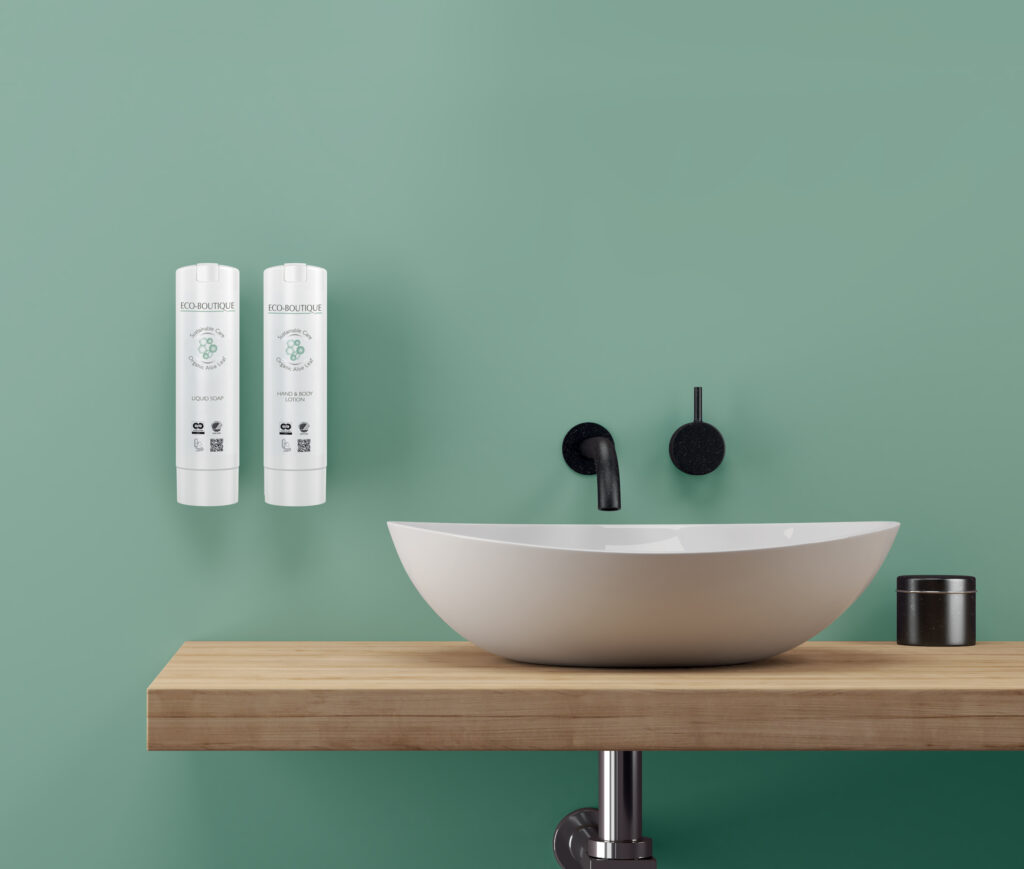
Eco-friendly products can still be luxurious when packaging is designed to be reused and reloved. Glass jars can lend an elegant touch to property counters, and guests can bring these jars home as a memento of their stay. This is one example of the many ways to approach sustainability when ordering guestroom products.
Ms Costerg said “sustainability can be achieved through biodegradable packaging, refillable dispensers, plant-based formulas, and responsibly sourced ingredients.
“Choosing products that are not tested on animals, using soy-based inks for printing, and working with certified ethical suppliers all help properties meet evolving guest expectations. Regional manufacturing reduces transport emissions, while ethical supply chains and local partnerships support both the environment and surrounding communities.”
Time for a treat: Mini bars and in room snacks
Everyone loves indulging in a sneaky mini-bar beverage or tasty in-room treat as part of their accommodation experience. Again, this is an opportunity to infuse luxury and elegance into your visitor’s stay.
As with bathroom amenities, utilising regional manufacturing and leveraging local partnerships can help to meet sustainability goals, and create a stronger property identity, by placing the property firmly within its location. Perhaps the town or region has a local delicacy, or a flavour it’s known for, or a popular artist in the area.
Along with smell, flavour is a powerful sense connected to memory. Including an unusual or unexpected flavour profile in a tea or snack selection can help to strengthen the association between the accommodation and its surroundings.
Besides strengthening an accommodation’s character, showcasing local makers supports the local economy and builds a collective identity.
Ms Szymanski said “The minibar is evolving from simple convenience to curated delight. Premium tea and coffee options remain a staple, but guests now look for artisanal snacks, alternative beverages such as cold brew coffee and cocktails, wellness-inspired options, and thoughtful touches that showcase a destination’s character.
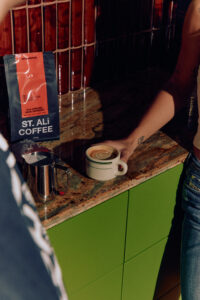
“Sourcing from local makers has become especially important, adding authenticity and a sense of place. These inclusions balance comfort with discovery, transforming the minibar into a stage for memorable, locally connected experiences.
Partnering with local makers and brands also creates another retail opportunity when products are stocked in lobby boutiques. Providing a sample size of a snack or drink in the mini-bar and having the full-size product available for purchase onsite could be a good way to generate additional income as well as support the local economy.
Remembering the basics: Operational logistics
Of course, in an ideal world, all guest amenities would help to build a strong brand identity, foster guest loyalty, showcase core values such as sustainability, and champion local products. However, providers also need to think of logistical considerations.
A key element of sustainability is avoiding waste. This means ensuring ordering and restock processes are fit-for-purpose and efficient to avoid overstocking. Prioritising operational efficiencies can also lead to cost savings.
Ms Costerg recommended that operators consider consistency in supply, predictable lead times and tailored inventory management when ordering guestroom products. These factors “reduce waste, avoid last-minute shortages, and streamline restocking.
“Quick turnaround in response to orders or unexpected needs ensures guest-facing teams are never left without essentials. Bulk purchasing and efficient delivery schedules can also create cost savings, freeing operators to focus on guest satisfaction rather than back-of-house logistics.”