
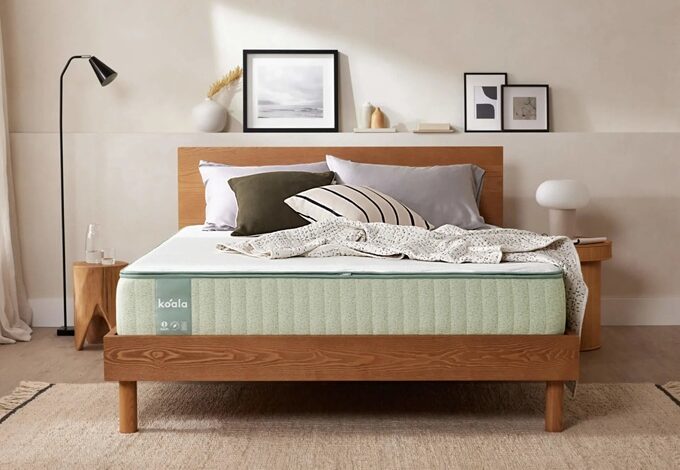
Better hospitality beds: Sweet dreams for you and your guests
Guests want more than a place to rest their head; accommodation providers need operational efficiency. Better hospitality beds offer both.

The guest sleep experience is no longer a simple matter of providing a place to rest your head. Today’s travellers expect more—from consistency across properties to personalisation, sustainability, and flexible bedding solutions that maximise both comfort and space.
At the same time, accommodation providers are under pressure to balance guest satisfaction with operational efficiency, brand identity, and long-term durability.
Read the latest edition of AccomNews HERE
A large survey of hotel guests by J.D. Power found that sleep quality is one of the most powerful predictors of overall guest satisfaction. Guests who reported better-than-expected sleep rated their entire stay, on average, 114 points higher on a 1000-point scale. And yet, only about a third of travellers say they are satisfied with their sleep while away from home.
Additional research supports these findings. A study by the German Fraunhofer Institute revealed that while 98 percent of hotel guests considered the mattress their number one priority for comfort, only 35 percent said they were pleased with the beds they encountered during their stay. This gap between expectations and reality highlights the significant opportunity for accommodation providers to gain a competitive edge by investing in high-quality bedding.
Where a bed was once just a standard room feature, it has now become a defining element of the guest journey. Industry leaders are responding with innovations that blend luxury, durability, and eco-conscious design, while ensuring housekeeping and facilities teams can manage efficiency.
From commercial-grade materials engineered for long-term performance, to adjustable bases, flexible bedding solutions and personalised comfort settings, today’s hospitality bedding is both practical and aspirational.
To explore how bedding trends are reshaping hospitality, AccomNews spoke with A.H. Beard and Koala.
How are hospitality-grade beds different from consumer products?
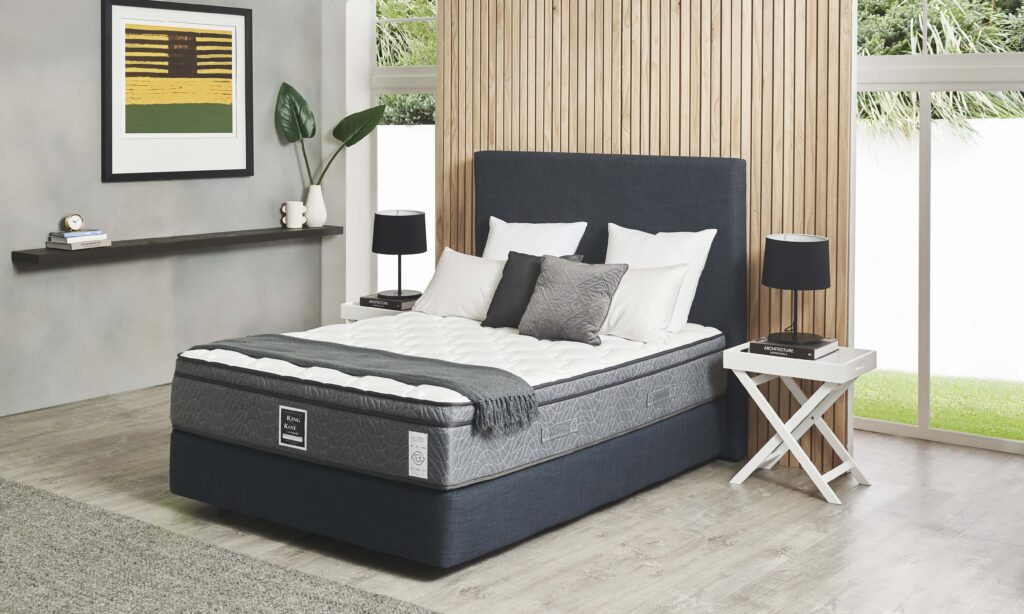
Peter Deveny, Group Commercial Manager, A.H Beard: While consumer mattresses are tailored to individual comfort and long-term, at-home use, hospitality beds must deliver consistently high levels of comfort and durability across a wide variety of guests, night after night.
Hospitality-grade mattresses are constructed with robust, commercial-grade materials to withstand higher usage frequency and turnover, while still delivering the premium sleep experience guests expect. Additionally, features like edge support, hygiene-friendly fabrics, and ease of maintenance are prioritised to support operational efficiency for housekeeping and facility teams.
We work closely with accommodation providers to strike the right balance between luxury and longevity—ensuring the bed not only enhances guest satisfaction but also stands up to the realities of the hospitality environment.
In what ways are adjustable and personalised bed options reshaping guest expectations?
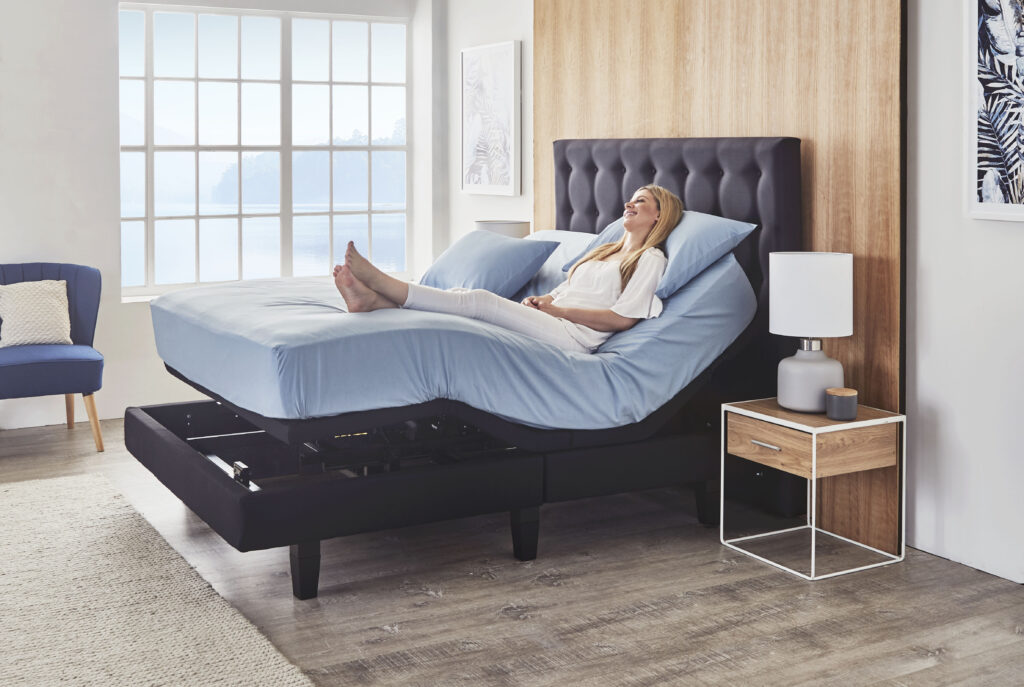
Peter Deveny: Modern travellers are placing increasing value on personalisation, and that extends to their sleep experience. Adjustable and personalised bedding options, like adjustable bases or beds with variable comfort settings, are becoming key differentiators in luxury and wellness-focused accommodation.
We’re seeing growing demand for beds that offer flexible support, zero-gravity positioning, and even smart features that allow guests to customise their sleep environment. These options not only elevate comfort but also signal to guests that their individual needs are being considered—whether it’s reducing pressure points, improving circulation, or simply enabling a better night’s rest.
As personal wellness continues to shape consumer expectations, offering a personalised sleep experience helps hotels stand out and create memorable stays that guests are more likely to return to, and recommend.
How important is sustainability when it comes to selecting mattresses and bed bases?
Peter Deveny: Sustainability is increasingly important for both hospitality providers and their guests.
For hospitality partners, choosing a bedding provider that is committed to continuous improvement in sustainability offers an opportunity to align with growing guest expectations around environmental responsibility, while supporting broader ESG goals in a genuine and transparent way.
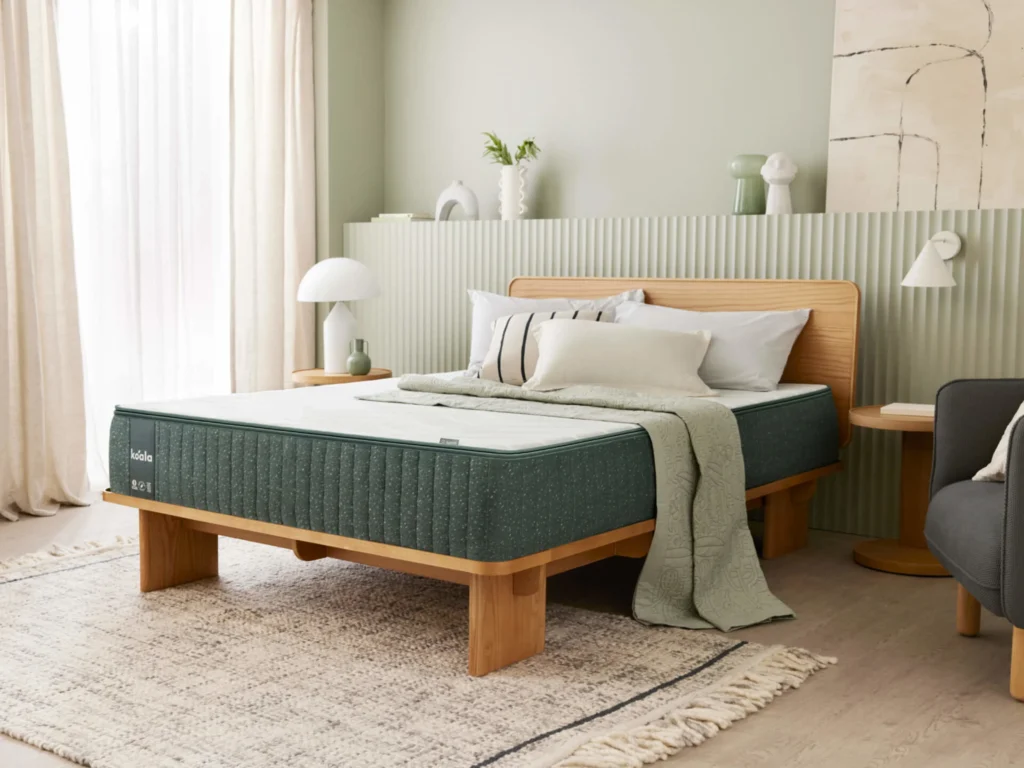
Tim Harris, Koala Business Development Manager: Sustainability is becoming increasingly important in the selection of mattresses and bed bases within the accommodation sector. There’s a growing awareness among consumers about the environmental impact of their choices, and this extends to where they stay.
Guests are placing a greater emphasis on environmentally responsible practices, and an accommodation brand’s commitment to sustainability, including sustainable bedding, can significantly shape their perception. Using mattresses made from recycled materials, natural fibres, or those with a reduced carbon footprint can enhance a brand’s image as a responsible and forward-thinking provider.
Beyond the direct environmental benefit, it also demonstrates a commitment to ethical sourcing and a long-term vision, resonating positively with a significant portion of today’s travellers
Related AccomNews article: Bedding essential for cosy luxury
How can consistent bedding standards strengthen brand identity and ensure that guests associate the accommodation with reliable, high-quality sleep?
Peter Deveny: Consistency is key to building trust—especially when it comes to the guest sleep experience. When a brand delivers the same high-quality sleep across all its properties, it sends a strong message: you can count on us for comfort, wherever you stay.
Accommodation providers can establish bedding standards that reflect their brand promise—whether that’s luxury, wellness, value, or innovation. By standardising mattress specifications, comfort levels, and even visual elements like base aesthetics and fabric choices, brands can ensure every touchpoint reinforces their identity.
More importantly, consistent quality creates positive associations in the minds of guests. A restful night’s sleep becomes synonymous with the brand itself, encouraging repeat bookings, higher satisfaction scores, and greater brand loyalty.
Tim Harris: Consistent bedding standards across multiple properties are fundamental to strengthening brand identity and fostering guest loyalty. When a guest experiences the same level of comfort and quality sleep, regardless of which property they stay at within a brand’s portfolio, it creates a powerful and reliable brand association.
This uniformity builds trust and reassures guests that they can expect a predictable, high-quality sleep experience every time. It becomes a hallmark of the brand, a silent promise of comfort and rest that differentiates it from competitors. This consistency contributes significantly to positive word-of-mouth and encourages repeat bookings, as guests know exactly what to expect and can rely on the brand to deliver a superior sleep experience.
How can flexible bedding solutions, such as sofa beds, help accommodation providers maximise space while still delivering comfort and quality sleep for guests?
Tim Harris: Flexible bedding solutions, particularly sofa beds, are a game changer for accommodation providers looking to increase their occupancy rates without compromising on guest comfort. By seamlessly transforming a living space into a sleeping area, they allow rooms to serve multiple functions throughout the day. This duality is invaluable for boutique hotels, serviced apartments, or even larger establishments catering to families or groups who require more flexible arrangements.
The key lies in selecting sofa beds that are engineered for regular use, prioritising a supportive sleep surface and simple, efficient folding mechanisms. A well-designed sofa bed ensures that guests experience the same restorative sleep they would on a traditional bed, which is crucial for overall satisfaction and repeat bookings.
Get more housekeeping insights on AccomNews HERE
What are the key trends shaping the future of beds in the accommodation sector?
Tim Harris: A major trend that’s gaining traction is personalisation. While not yet widespread, the ability for guests to customise their sleep experience, perhaps through adjustable firmness settings or temperature control, is an area of growing interest.
We’re also seeing more technology integration in sleep environments, with features like inbuilt device charging in bedside tables. Another major trend we’re seeing is the strong emphasis on hygiene and ease of maintenance. Materials that are easy to clean and sanitise are highly sought after, reflecting a heightened awareness post-pandemic.
Finally, the demand for truly restorative sleep experiences is driving innovation in mattress technology, focusing on pressure relief, motion isolation, and thermal regulation to ensure guests wake up feeling refreshed.
This article first appeared in the Spring edition of AccomNews. Click below to explore.