
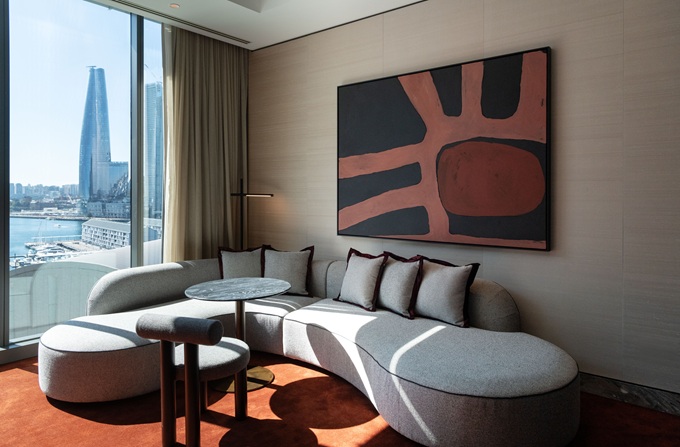
Trends, tones and tailoring for the perfect 2026 guestroom
Guestroom aesthetics form fist impressions, impact guests' stays and influence repeat bookings. We ask the experts how to style a winning room

There is so much to consider when refurbishing guestrooms. Alongside the practical considerations of guest, housekeeping and maintenance needs, the aesthetics of the space are arguably more important now than ever.
Tracey Candido from Montague said how guestrooms are viewed has changed, becoming more nuanced over time.
“Guest expectations have evolved dramatically in recent years, and the modern guestroom has followed. What was once a purely functional space is now an extension of a property’s brand identity—a place where the guest experience truly begins.”
Read the latest edition of AccomNews HERE
Choosing flooring from the ground up
Carpeting should be considered in terms of aesthetic and practicality. Generally, rooms need to be repainted more frequently than carpets need to be replaced, so choosing neutral flooring gives you more options when it’s time to redecorate. If the room needs a pop of colour on the floor to balance its aesthetics, this can be achieved with rugs, or even by choosing chairs and tables with contrasting or colourful legs.
Current trends are focused on nature-inspired elements, from earth tones to wool blends and woven or looped textures. Luckily, these are all classics that promise to age well.
Getting wallpaper and paint covered
2026 is set to be the year of prints, texture and vintage styling for wallpaper. Any of these features add instant luxury to a room. For smaller spaces that might be overwhelmed by busy wallpaper, consider a feature wall to keep the balance.
Related AccomNews story: Club Wyndham Mission Beach reveals fresh look after refurbishment
For paint, the colour of the year is blue in all its forms, from powder to navy. Choose a blue that works for your setting; coastal venues could choose soft blues for a timeless look, or a bold sea glass blue-green for something edgier. Urban accommodation could evoke some drama with moodier navies and indigoes paired with low lighting options for maximum impact.
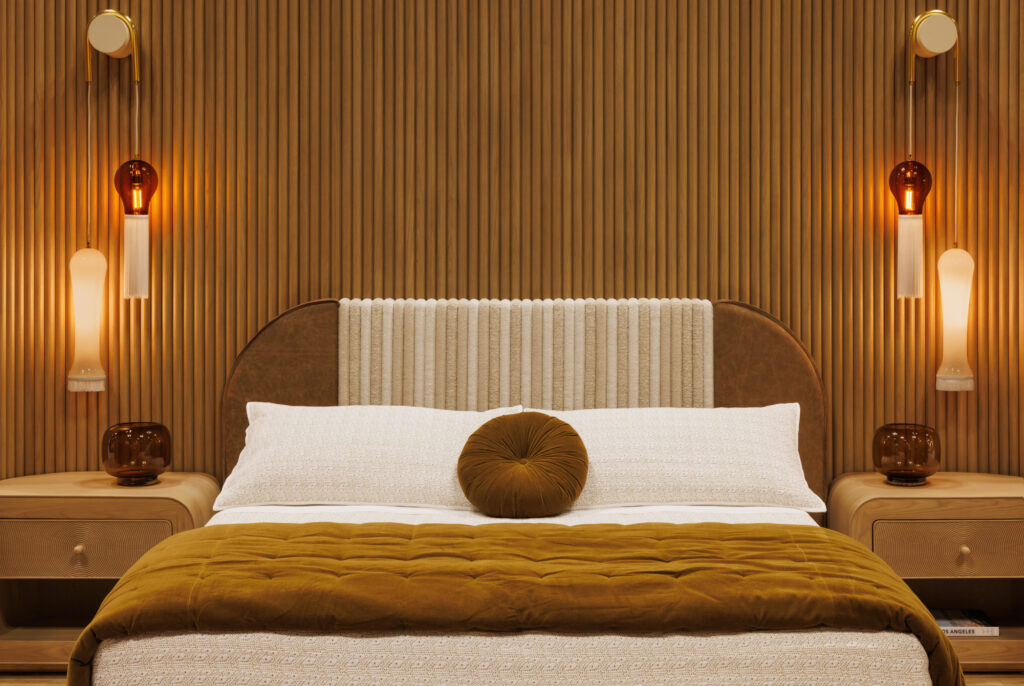
Artwork in building a visual identity
Walls and flooring are, of course, not the only design elements to consider. Artwork can be seen as a finishing touch, but to elevate a guest room to unforgettable, it needs to be planned and curated.
Sophie Vander from Curatorial+Co. said the role of art in accommodation goes far beyond the surface.
“Choosing artwork for a hotel is not just an aesthetic decision—it’s a strategic one that directly impacts brand perception, guest experience, and long-term value.
“Consider what story you are trying to tell. Is the property rooted in local culture, or is it a more globally positioned brand? Is the tone playful, refined, immersive, or understated?
“Defining this early ensures the artwork feels intentional rather than just decorative. And focusing on integration with the interior design and architecture means the artwork should not be an afterthought; it should be embedded in the spatial experience,” she said.
“Finally, procurement timelines and logistics must align with construction and fit-out programs. Engaging an art consultant early ensures feasibility and avoids delays.”
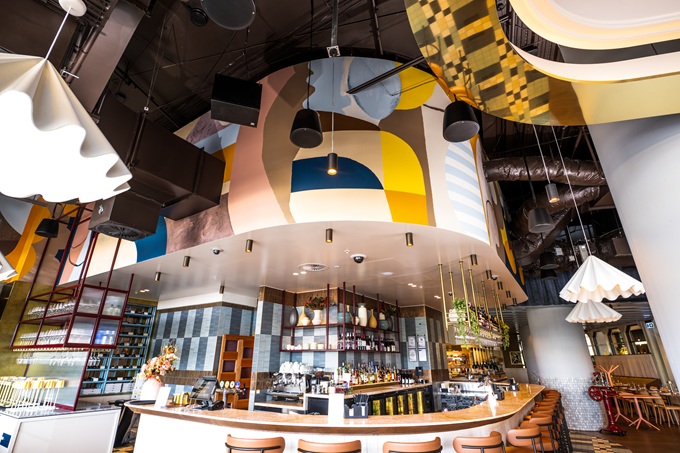
Ms Vander said that choosing the right pieces can substantially impact guests’ impressions throughout an accommodation’s settings.
“Strategically placed statement pieces can anchor key moments within the hotel. A dramatic lobby installation can create a strong first impression and set the tone on arrival.
“In bars and social spaces, artwork can introduce energy, colour, and texture, supporting a vibrant, social atmosphere. In contrast, quieter areas such as corridors or private dining rooms can feature more contemplative works that slow the pace and create moments of retreat.
“In many cases, a single, memorable artwork can become a defining feature of the property, something guests associate with the brand long after their stay. Engaging local artists further strengthens this narrative by grounding the experience in place. It introduces authenticity, connects the hotel to its cultural context, and creates a more meaningful and distinctive guest experience.
“Ultimately, art transforms a hotel from a designed space into a story-led environment—one that guests don’t just stay in, but connect with and remember.”
Related AccomNews story: Paint and wallpaper tips and trends
The finishing touches
Elements such as lighting, rugs and throws are small in size but should not be underestimated. These finishing touches are a crucial design component, said William Montague’s Tracey Candido.
“Accessories play a vital role in bringing that story to life. While major furnishings provide the form and structure, accessories introduce the warmth, personality, and visual balance that make a room feel complete.
“Carefully chosen cushions, throws, artwork, mirrors, and accent pieces offer texture and richness while creating an inviting atmosphere. They also give operators the flexibility to refresh spaces with subtle updates that keep designs feeling current, without the cost or disruption of a full-scale refurbishment.”
Lighting is often overlooked but could make or break a room’s design, said Ms Candido.
“Lighting is one of the most powerful yet often underestimated components of guestroom design. Effective lighting enhances comfort, functionality, and emotional impact, helping rooms effortlessly shift between work, relaxation, and rest.
“A layered lighting approach that balances task and ambient light can completely change how materials, colours, and finishes are perceived. Conversely, poor lighting flattens even the most beautifully designed interiors. Thoughtful placement, warmth, and light quality contribute to a calm, refined environment that supports guest wellbeing and elevates the entire experience.
“Together, bespoke design, accessories, and carefully crafted lighting create guestrooms that not only look exceptional but genuinely resonate with today’s travellers.”
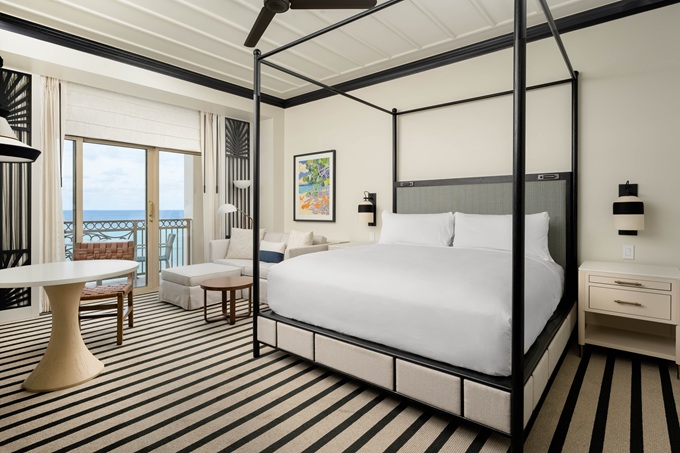
The final word on tailoring spaces
With so many elements to balance, working with professionals can ensure your guestrooms and other areas of your property maintain a cohesive style and deliver some wow factor. Ms Candido said that custom design is a way to stand out from the crowd.
“Increasingly, accommodation providers are turning to bespoke design to ensure their rooms feel distinctive, memorable, and aligned with their market. Custom furniture and tailored solutions allow operators to incorporate the specific practicalities of their region and clientele while maintaining a cohesive design vision.
“As travellers continue to share their stays online, a thoughtfully curated room becomes part of the story, strengthening brand presence and supporting repeat visitation.”
This article first appeared in the Autumn edition of AccomNews. Click below to explore.