
Bespoke furniture: Create your own language
Discover how to create your own bespoke design language, to help tell the story of your space to each guest.

Harry Bertoia, the designer of the Knoll design classic Diamond Chair, when describing his chair famously said, “If you look at these chairs, they are mainly made of air, like sculpture. Space passes right through them.”
Bertoia was not describing his furniture as a functional item, even though as a chair they’re amazingly comfortable. Instead Bertoia describes the Diamond Chair as an item of weightless space, a sculptural aesthetic with its intricate wire construction. This allows the air to not only flow within and through the chair, but allows air to flow around the chair, around the space in which the chair inhabits. The chair is fluidly connected to the space in which it sits, like a sculpture of air.
Read the latest AccomNews print edition HERE
Bertoia’s poetic description was not actually of his chair, but was more of what he wanted his chair to be. Bertoia experiments with sound and sculpture, as much as he was trained in jewellery design. What his description is a display of, is his language of intent. This language could be used to describe sound, sculpture, jewellery and served as the concept for, and outcome to, the Diamond Chair.
When designing and decorating furniture spaces, a same, new language must be created. The poetics may not need to be as expressive, but when finding the solution, creating the right atmosphere, the language needs to be as detailed.
I wish to explain some thoughts on creating your own language, so when decorating your own venue, you find the voice which speaks to every arrangement, which tells a story of itself to each guest.
Typology: The ingredients of furniture language creation
There are many factors, rules and ideals which create the right furniture setting. But the best way to create your language is to explore and experiment through the simple typologies of furniture; function, style and material.
Function
The Furniture designer Charles Eames said, ‘Recognising the need is the primary condition for design’. While ‘need’ may be the primary condition, creating your well-defined concept will be the combination of function and desire, to which success will be measured.
Defining the function of your furniture arrangement should be the shortest part of the language creation process, but it should not be so short that it limits the process of exploration. Function and defining use, but not limiting definition, allows the objects in the space, whether chairs, lounges, bookcases, etc. To not be defined by the standard layout, but explored to the fullest; relationships of furniture to space, relationships of furniture to furniture, relationships of furniture to people. This is then measured back to your definition of the required function.
Related AccomNews article: Picture perfect housekeeping for the Instagram generation
Spatial position and organisation may seem the easiest, when following the ‘drop and plonk’ method, used by architects when designing most modular homes. But within the short-term experiences of the hotels and motels, nothing is more memorable than the well thought out spatial surprise. The relationships you create, is the story which describes the emotion of the space. Like no two people, no two relationships are the same. Through exploring new relationships, we find balance in different forms and layouts, expressing new connections, finding new experiences through function.
Style
There is no singular style to the extraordinary eclectic Marcel Wanders’ furniture. But within the furniture of Wanders, there is a style which can only be defined as Marcel Wanders. Understanding Style is like exploring balance for function, but is the adverse, creating imbalance to find symmetry.
Defined, Style is the decoration on the cake which looks too good to eat. The Style should be the melody to the song, because without melody a song is just words. And a well created song has various tones and sounds, to decorate is to find rhythm, to breath atmosphere, excitement, emotion into a space. To unify the objects of different geometries in the space, through colours and patterns, repetitions and textures.
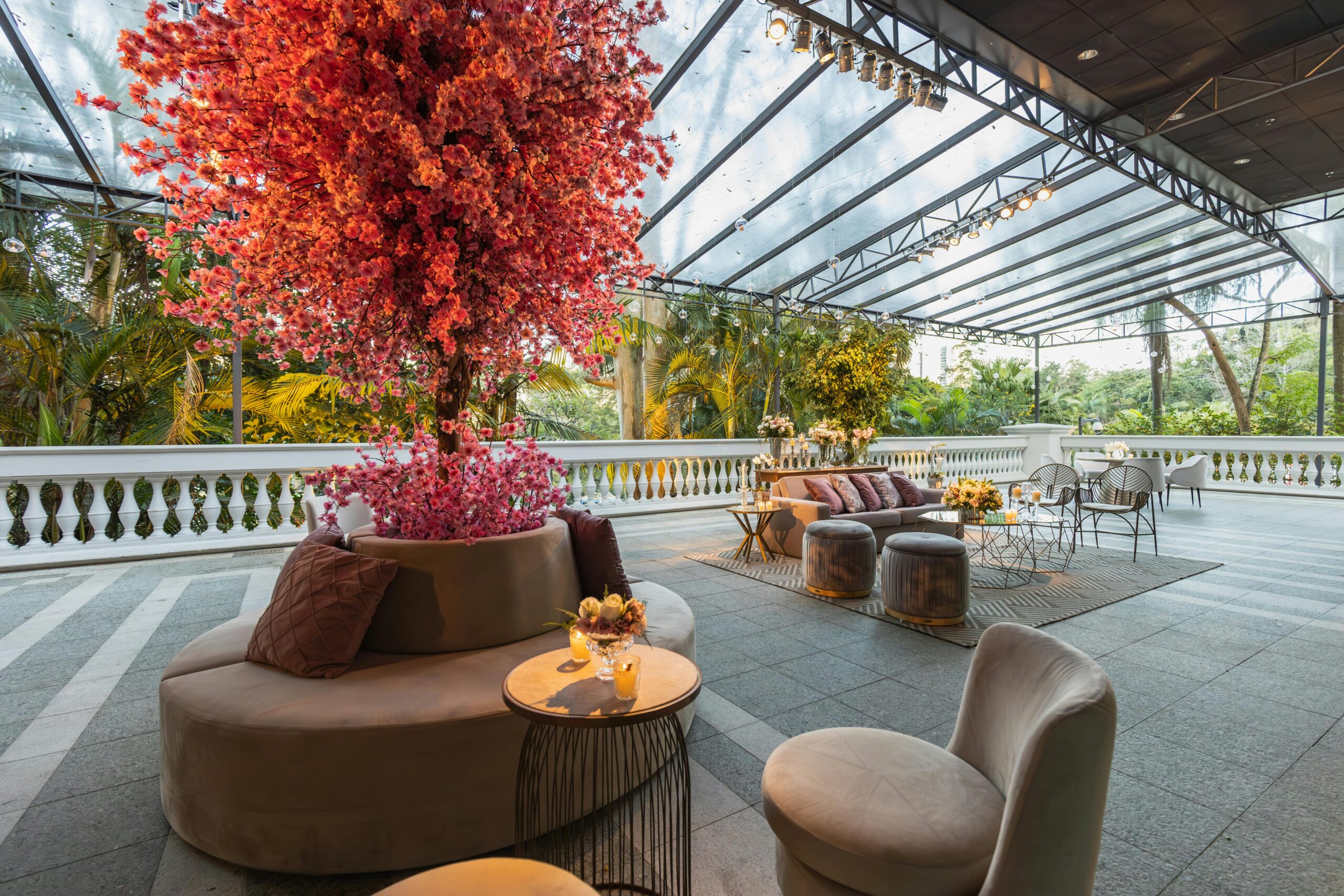
The angles of furniture can relax a space through soft tones and finishes. Or with bold accents, rich colours of intricate historical details, turn plush furniture into expressions of attraction and warmth. Style is the medium of adventure and taste, it is where the true fun is had. It is where the formality of functionality is firmly challenged, with the desires of unnecessary details of are included. It is where the questions of should I add more, create more, change more, state more, be more arise. Deep questions of creative endeavours asked, egotism of a long-lost artistic stardom hurl themselves forward in retribution.
But with each brash stroke of brilliance, mindfulness is always given back to Style. Style is the adventurousness which is unified by its own rhythm, the identification of the song. Style is the careful management of the most imaginative self, pushed to delight, formed cohesively into the functional three-dimensional story of your space. Your creativity, your style, should appear effortless.
Material
Material is the third leg of the three-legged stool, it is one third percentage which holds up the one hundred percent. Materiality is where the dreamer becomes the tool maker, where mindfulness meets craftsmanship. Materiality is when architecture feels its way to science, where creative endeavour strikes physical imagination.
There is no material possibility which cannot be tested with in experimentation, we are only constrained by durability and purpose. The engineering edict of testing until failure can certainly be applied, but this concept should be a philosophical questioning of material. Searching to find equality between soft and firm, dark and light, safe and fragile, it’s a task of technical research. The endless testing of material properties against aesthetic inclinations, the soft cushion on a solid bench. It does not just provide comfort to sit, but creates juxtaposition in textures, natural and manufactured.
Related AccomNews article: Purpose over extravagance—what today’s luxury travellers really want
When searching for new material possibilities, new discoveries do not happen every day. Whether small steps which can take weeks or big leaps years, new possibilities come when the mind is fully awake. Because the material discovery is not careful experimentation, it is more often found in moments of chaos. Like a wild thought experiment, sharp awareness gathers together the chaos, reverses entropy, bringing balance to form. Through style, to meet function, holding our chair up strong.
Language of you
MIT’s Constructed Language course describes language’s creation through formation of various ‘tenses, plurals, and kinship terms, as well as how they borrow and shape words taken from other languages, they are gaining the tools to create entirely new languages.’
When we create furniture arrangements, we are revisiting all the same tools we have always used. Chairs, tables, ottomans, lounges, beds, desk, storage units, benches, are all starting points to new language, but they are not the language of a new space. These tools are recreated and remade so the language of experience and memory become physically felt.
Where the language meets beyond purpose, speaks to our position space, talks directly to our body, as Pallasmaa says in his book The Eyes of the Skin, “Sensory experiences become integrated through the body” (p40).
As we create our language, construct our decorative typology, we must remember ourselves. Again, Pallasmaa says ‘There is no body separated from its domicile in space’ (p40), just as space passes through and around the Diamond Chair. Our language must be for us, as we pass through space, the space pass around us, a language of space to be experienced, and remembered.
 Michael Kirwan is the owner manager of Cortasia. A unique design and decoration service, Cortasia provides the integrated skills of interior architectural-design, project management and trade decoration. Cortasia provides planning, documentation, specification and application of colour, texture, emotion and experience, for interior and exterior spaces.
The Winter edition of AccomNews is out now. Click below to explore.