
Communal gas barbecues under the spotlight
Safety remains a top concern for holiday and caravan parks. A recent gas incident at a regional park has sparked new conversations about gas appliances in communal barbecue areas and how they should be managed.
For park operators, this issue is about more than just following the rules. It’s about keeping guests safe, reducing risk, and ensuring shared cooking areas operate safely when hundreds of people use them each week. Communal cooking areas are at the heart of the Australian holiday park experience. Families gather, travellers cook together, and the barbecue becomes a social hub. However, these spaces are also among those where people, some without experience, use gas appliances directly.
This situation means the gas equipment in these areas must meet requirements that differ from those for domestic barbecues.
Domestic barbecues are designed for occasional use by a single household. Communal park facilities operate in completely different conditions. They are used constantly, exposed to weather, handled by changing users, and sometimes misused. In these settings, safety can’t depend on everyone using the appliance correctly. It needs to be built into the equipment. Gas safety systems should automatically detect problems, stop gas flow in the event of a fault, and prevent unburnt gas from accumulating.
Australian gas standards support this idea. Outdoor gas cooking appliances in caravan and holiday parks must have safeguards to reduce the risk of gas leaks and flame failure.
One example is flame rectification. These sensors monitor the burner and automatically shut off the gas if the flame goes out. This prevents unburnt gas from building up inside the appliance or nearby, a major hazard in shared spaces. When an appliance repeatedly attempts to ignite without establishing a stable flame, gas can accumulate in the cooking chamber. Lockout systems prevent this by disabling the appliance after repeated failed ignition attempts until a manual reset occurs. This prevents gas from continuing to flow during a fault condition and requires inspection before the appliance can be used again.
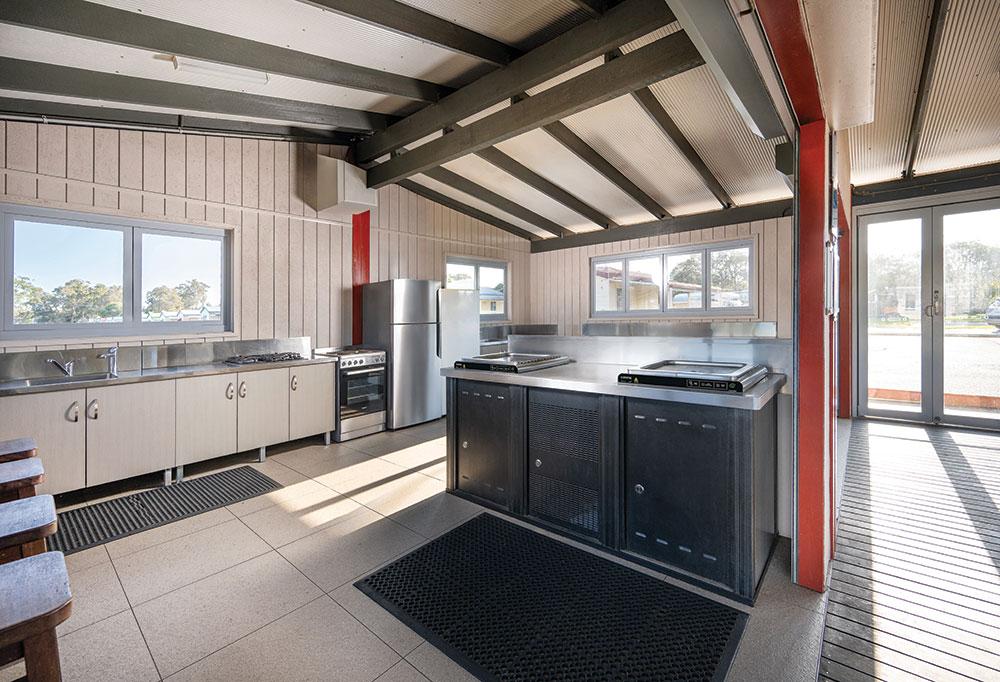
Timed operation is also important. Instead of using manual gas valves, timed push-button systems turn the appliance on for a set time and then automatically shut off the gas. In busy parks, where people might walk away or forget to turn things off, this automatic shutdown helps prevent accidents.
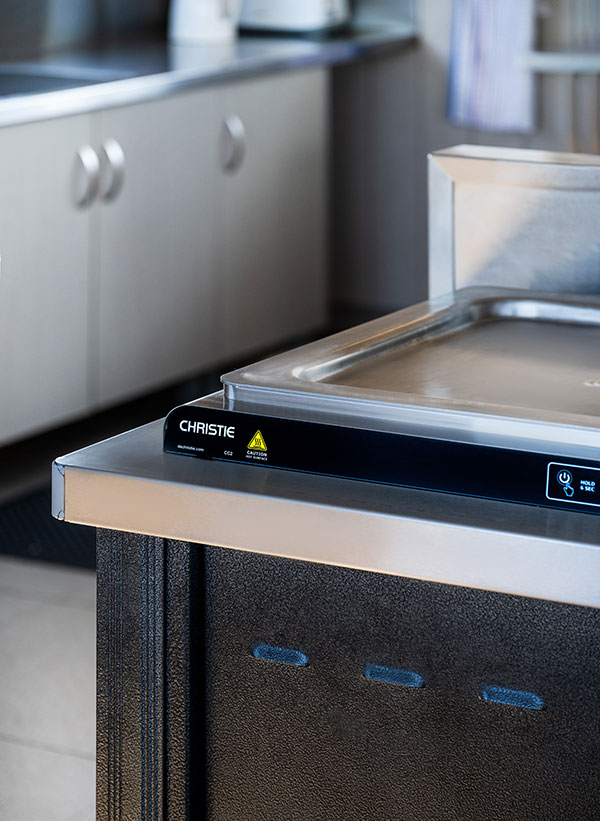
These engineered safety systems are built into all Christie Gas Cooktops. The units are designed specifically for shared public environments such as caravan parks, resorts, and communal camp kitchens. Each cooktop integrates flame detection across all burners, ignition lockout protection, and timed automatic operation, ensuring continuous monitoring and control of gas flow during use.
Park operators also need to think about how barbecue facilities are set up and managed.
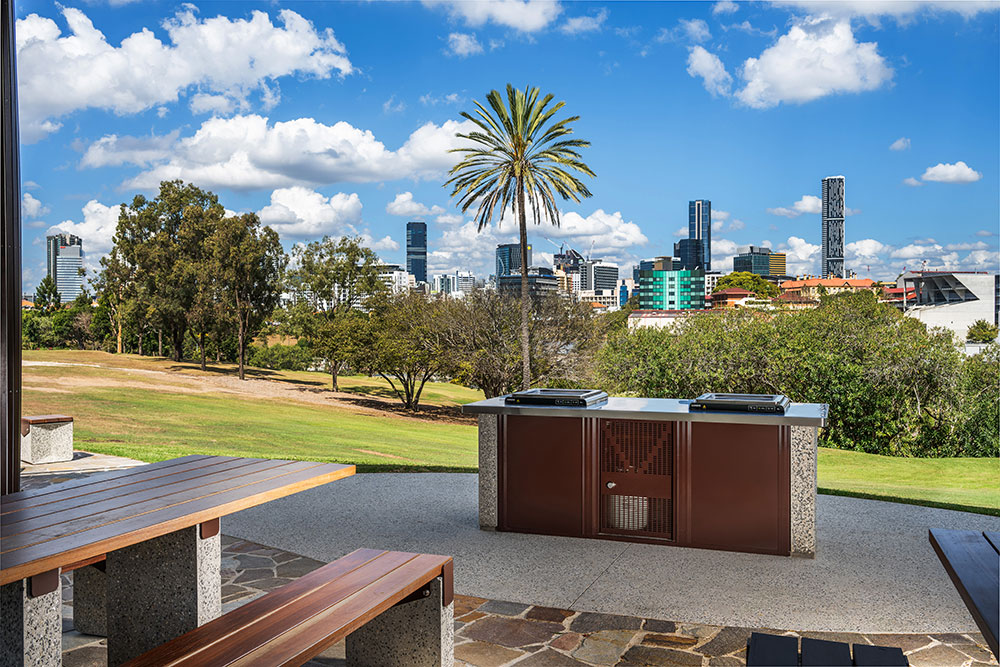
Australian guidelines for communal gas barbecues emphasise the need for licensed installation, proper ventilation, and adequate clearance from flammable materials. Gas appliances should be installed outdoors only in approved locations with good airflow to clear combustion products and prevent unburnt gas from accumulating.
Regular inspection and maintenance are just as important. Hoses, regulators, and ignition systems need to be checked regularly for wear or damage. Only licensed gasfitters should perform service work, and keeping good maintenance records helps park operators demonstrate compliance with health and safety rules.
Clear signs and instructions at the barbecue area help visitors use the equipment safely and know what to do in an emergency. It is a reminder that communal cooking facilities are not ordinary appliances. They are public assets that must operate safely under heavy and unpredictable use.
Picking equipment designed for these settings and managing it with a clear safety program significantly reduces risk.
Christie CC2 Gas Cooktops are engineered for exactly these conditions. With commercial-grade construction, integrated safety controls, and compliance with relevant Australian gas standards, they provide holiday parks with a reliable and safer solution for communal cooking areas.
For operators who are responsible for guest safety, this level of built-in protection is essential. As guests expect more and regulations get stricter, investing in purpose-built communal gas appliances helps protect visitors, staff, and the park’s reputation.

For more information visit dachristie.com