
Wellington hospitality sector gets boost with food waste reduction funding
Green initiative sees Wellington hospitality businesses get support to reduce food waste and share learning across the industry

Efforts to tackle food waste in Wellington’s hospitality industry have taken a major step forward following funding from Wellington City Council.
Hospitality New Zealand (Hospitality NZ) successfully applied for $19,700 from Wellington City Council’s Waste Minimisation Seed Fund in late 2025 to help divert 100 tonnes of hospitality waste from landfill.
The latest print edition of AccomNews is out now. Read it HERE
The funding will be used to give ‘high generators’ of food waste in the city the tools to recycle and reuse leftover food.
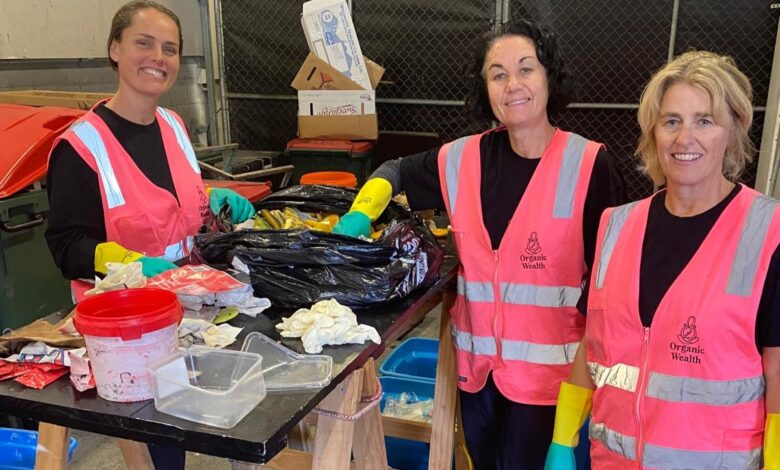
Wellington businesses including Rydges and Star Group are involved in the project, which will see them complete waste audits and visual surveys, find and implement solutions with waste minimisation professionals, and form case studies for other hospitality providers to learn from.
General manager of Rydges Wellington, Colin McClean, says it’s an important initiative that will result in valuable insights for the whole industry.
“Reducing our environmental footprint is a key priority for us, and we can make real, immediate progress in tackling food waste.”
“We’re proud to partner with Hospitality NZ on this initiative, helping drive practical solutions that benefit Wellington and set an example for the wider industry.”
The project aims to divert 100 tonnes of waste from landfill by reducing the overall amount of food waste, redistributing good food for other purposes, and diverting waste from landfill by composting what cannot be otherwise utilised.

Hospitality NZ is working alongside waste minimisation organisation Organic Wealth and will work with appropriate partners that can utilise food before it is discarded.
Hospitality NZ’s sustainability manager, Megan Williams, said:
“Food waste has long been an issue for the industry, but there are some great ways that kitchens can reuse food into secondary products or use external resources and services to significantly reduce the amount going into landfill.”
Related AccomNews article: Grand Millennium Auckland celebrates Qualmark 5-Star Rating and Gold Sustainability Award
According to a 2017 study by WasteMINZ, New Zealand cafes and restaurants throw away approximately 24,000 tonnes of food annually — that’s equivalent to roughly 1000 standard 120 litre kerbside rubbish bins per day, and more than 60 percent of it is avoidable.
Of the waste, 60 percent was created while cooking, 33 percent was leftover food on plates, and 7 percent was from food spoilage.
Megan Williams continued:
“There’s no denying businesses can do better with their food waste and this project is to help hospitality businesses to do exactly that.”
“With the help of our partners, they’ll be able to see exactly how much and what they’re throwing away, what can be avoided and how they can reduce and reuse any waste they have.”
More than half of Wellington’s landfill rubbish is made up of food and garden waste and there is currently no food waste kerbside collection like the other main centres have.
Star Group general manager – central kitchen, Margo Yule said: “There are some amazing people and organisations working in this space and we welcome the opportunity to share and learn so other hospitality businesses can benefit, and to help Wellington move toward a more sustainable food system.”
The waste audits began last week and a plan for each business is expected to be in place over the coming months, with a final report due back by the end of the year.