
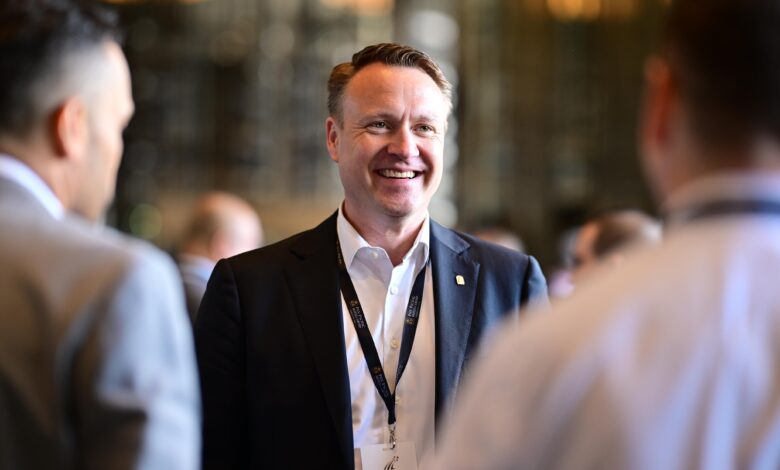
You can’t lead a people business from behind a desk
Hospitality’s talent challenge is really a leadership challenge, writes Jeroen Meijer from Pan Pacific Hotels Group

By Jeroen Meijer, Cluster General Manager, Sydney, Pan Pacific Hotels Group
Hospitality has always been a people business, but what people expect from their leaders has changed. Employees increasingly want to understand the bigger picture, see how their role contributes and have a genuine voice in the business.
That makes connection more important than ever. It is an idea that has stayed with me throughout my career, shaped in part by something my father has always said: “The world revolves around connection.”
I don’t mean connection as a leadership buzzword, but the practical business of understanding people, what motivates them, where they want to go and what they need from their leader. In a people-driven industry like ours, those relationships have a direct impact on engagement, retention and performance.
The latest print edition of AccomNews is out now. Read it HERE
Accommodation Australia figures show how significantly the industry’s talent pipeline has contracted. Chef apprenticeship commencements fell almost 47 percent between 2021 and 2025, while the number of hospitality trainees in training dropped almost 59 percent.
Those figures lead to conversations about how we attract more people into hospitality.
But I think they should also prompt a more uncomfortable question: are we doing enough to keep and develop the people who have already chosen our industry?
If fewer people are entering hospitality, every person who does enter becomes even more important. Recruitment alone cannot solve the talent challenge if people don’t see a future once they arrive.
Hospitality can offer a career path few industries can match. Someone can begin as a porter or waiter and progress through different departments, properties and levels of responsibility. Many senior hotel executives started in roles such as these, yet the industry has not always been effective at communicating those opportunities, particularly to the next generation of workers.
Read more Management stories HERE
That needs to change at both an industry and individual organisation level. Industry bodies have an important role in promoting hospitality as a career, but equally hotel leaders also have a responsibility to demonstrate what progression can look like.
Often, development starts with a simple conversation. Some of the most valuable learning in hospitality happens outside a formal classroom: when a manager explains a decision, trusts someone with greater responsibility or recognises potential and encourages them to take the next step.
These everyday interactions can shape careers and build the leadership pipeline our industry needs.
This is particularly important for people who have already demonstrated commitment to the industry.
Across hotels, there are team members who have been with a business since their apprenticeship or early career. They carry valuable operational knowledge, understand the culture and often have the potential to become the next generation of leaders. Recognising and investing in that potential is essential.
I have seen this first-hand over the past year while leading two major Sydney hotels through significant operational change. While there were many commercial and operational priorities to manage, maintaining strong employee engagement throughout that change was equally important.
It reinforced something I have believed for a long time: people are far more likely to embrace change when they understand not only what is happening, but why.
A team is unlikely to embrace change if it is communicated only through instructions. People need context and clarity. They need to understand what the business is trying to achieve and where they fit within it. That requires leaders to be visible, accessible and willing to have the conversation.
At PARKROYAL Parramatta, associate engagement reached 85.3 percent, reflecting a proactive, people first approach to leadership during a period of significant change. By prioritising employee engagement, professional development and a supportive workplace culture, the focus has been on retaining experienced team members while strengthening internal leadership capability across both hotels.
Leadership also extends beyond our own organisations. Through my involvement with industry bodies and initiatives across Sydney’s visitor economy, I am regularly reminded that many of the challenges we face – talent, sustainability, skills development and changing workforce expectations – cannot be solved by individual hotels in isolation.
These roles sit outside the day to day responsibilities of running two major hotels, but they reflect a broader view of what leadership means.
It is not confined to commercial performance or operational results. It also involves contributing to the industry, supporting the community and being willing to show up consistently.
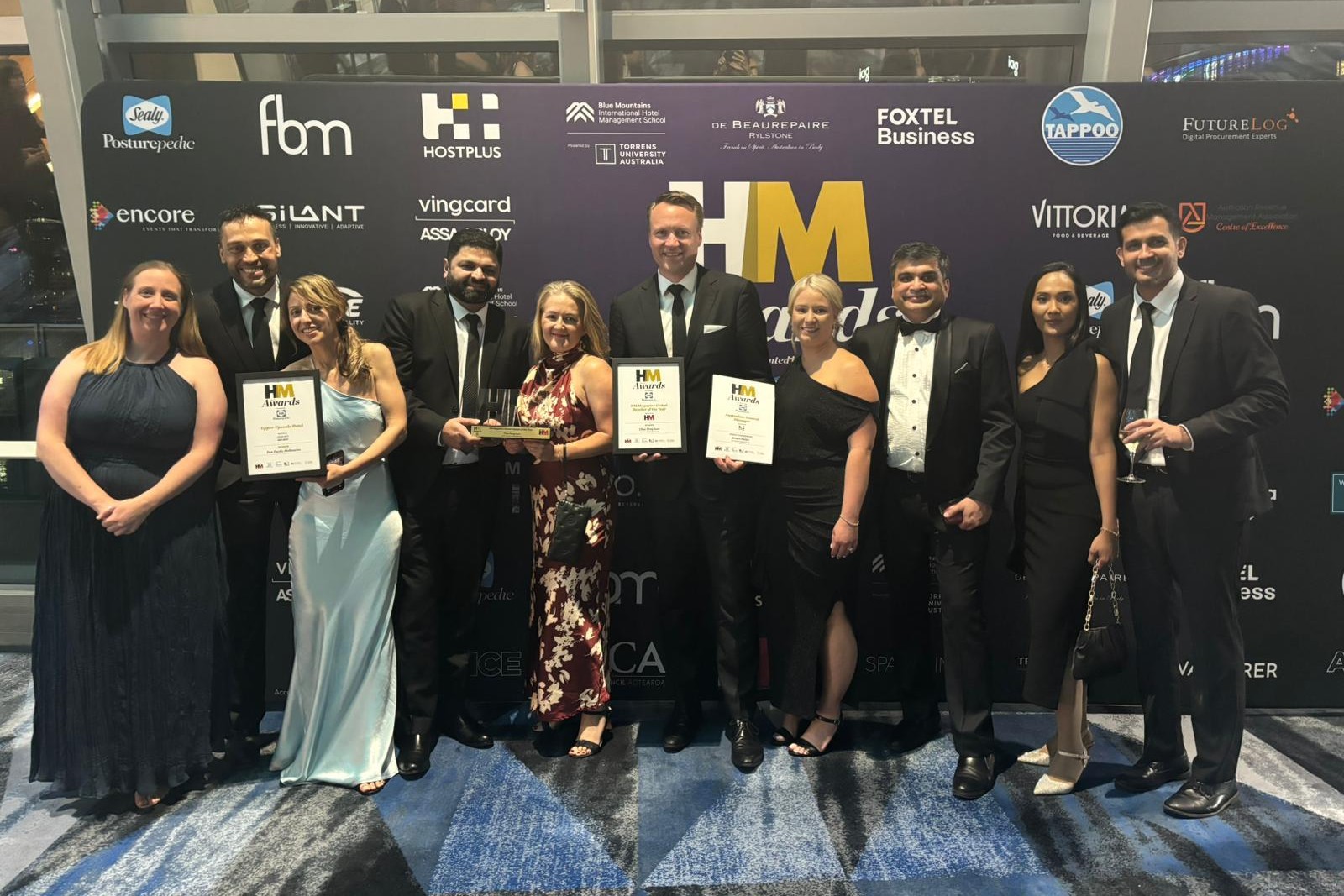
Being named Executive of the Year at the 2026 NSW Accommodation Awards has also given me reason to reflect on this.
An award may carry an individual’s name, but leadership is never an individual achievement.
Careers are shaped by the managers who create opportunities, colleagues who share their knowledge and leaders who recognise potential in others. I have benefited from those people throughout my own career, and I believe today’s leaders have a responsibility to do the same for the next generation.
The industry needs to attract more people, but just as importantly, we need to give them reasons to stay.
That means showing people the careers available to them, developing talent from within and creating workplaces where they feel connected to their leaders, their teams and the purpose of the business.
Hospitality is a people business, and people cannot be led from behind a desk. Connection isn’t a soft measure that sits alongside commercial performance; it is fundamental to it.
If we want the next generation to build careers in hospitality, leaders need to be present, understand what matters to their people and invest in their success.
That is how we build stronger teams, stronger leaders and ultimately, a stronger industry.
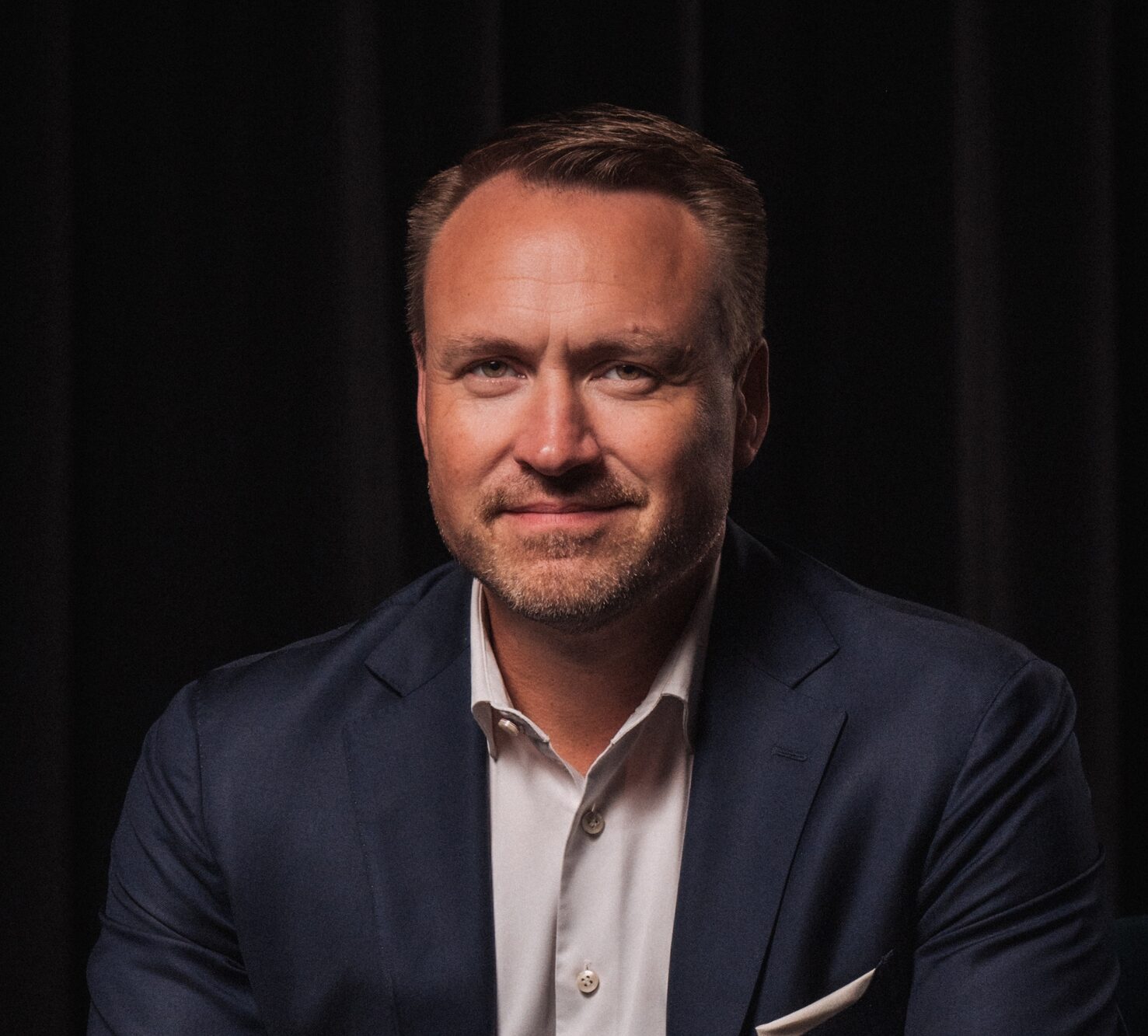 Jeroen Meijer has more than 20 years of international hospitality experience. He oversees PARKROYAL Darling Harbour, Sydney and PARKROYAL Parramatta and was named Executive of the Year at the 2026 NSW Accommodation Awards. He is also a Board Member for Accommodation Association NSW and was a founding member of the Sustainable Destination Partnership.