
The evolution of dynamic pricing in Caravan Parks
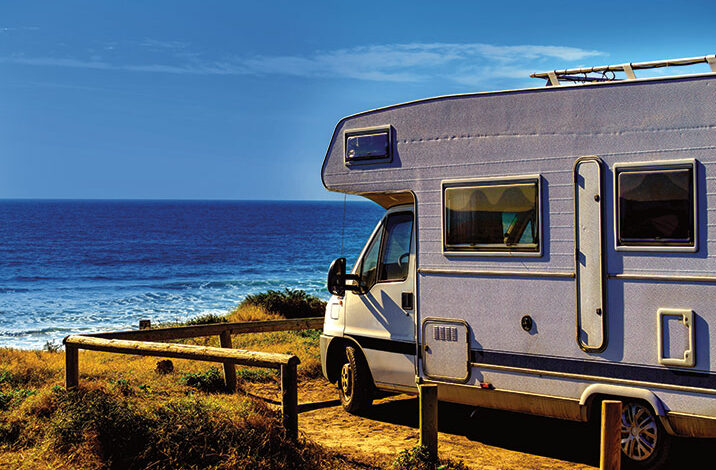
As guest expectations continue to evolve and competition across the outdoor accommodation sector intensifies, caravan parks are increasingly recognising the importance of adopting more sophisticated revenue management strategies.
A challenge faced by caravan parks today is that unlike standard city hotels or resorts, their properties often feature a complex and multifaceted inventory mix that doesn’t fit neatly into tools designed for standardised room hierarchies and fixed rate plans. Each accommodation type, whether it is a lakeside cabin, a spacious caravan site or a luxury glamping tent, presents its own unique set of considerations. To truly maximize this inventory’s potential requires a more dynamic approach to pricing and revenue management.
Revenue management within caravan parks and outdoor accommodation requires a nuanced strategy due to the diversity of lodging types and the varying expectations of guests. Different accommodation options appeal to different guest segments and each carries a distinct value proposition. Seasonal demand fluctuations also tend to be more pronounced in holiday parks than in city-centre hotels. For example, lakeside cabins may command premium rates during peak travel periods, while caravan sites are often more price-sensitive and attract budget-conscious travellers.
How static pricing shortchanges operators
Static pricing is the traditional approach to setting accommodation rates, where similar inventory types are assigned a fixed price that is adjusted infrequently. While this “set and forget” method may be simple to implement, it can significantly limit a property’s revenue potential. Fixed rates fail to account for the constantly shifting nature of demand across seasons, local events and accommodation types, all of which influence what guests are willing to pay.
Without the ability to respond to changes in demand in real time, holiday parks risk missing revenue opportunities during peak periods or overpricing inventory during lower-demand times, resulting in suboptimal occupancy and reduced profitability.
Unlocking the potential of dynamic pricing
Alongside static pricing, many holiday parks have traditionally relied on manual approaches to forecast demand, often analysing booking history and current activity levels through spreadsheets and manual calculations. During periods of high demand, rates would typically increase, while lower-demand seasons would trigger price reductions. However, manually collecting and analysing multiple data sets to determine pricing is not only time-consuming, but also highly susceptible to errors and missed opportunities.
Dynamic pricing, a cornerstone of modern revenue management, can help address the challenges associated with the complex inventory structures of holiday parks. By analysing historical data, market trends and competitor pricing, an advanced revenue management system (RMS) can optimise rates for each accommodation type individually.
Another important consideration for holiday parks is that guests often secure bookings well in advance in anticipation of high-demand periods. This is especially common among repeat guests, who may book their next holiday while checking out from their current stay. By understanding the booking behaviours of different guest segments and accurately forecasting demand, holiday parks are better positioned to capture revenue opportunities and automatically deliver the most appropriate pricing for every accommodation type.
Summerstar adopts IDeaS G3 RMS to optimise revenue
One leading holiday park group turned to revenue management technology to improve the financial performance of their properties is Summerstar Tourist Parks, who have adopted the IDeaS G3 RMS across fourteen of its Australian-based caravan and holiday park sites.
Summerstar previously relied on manual-based approaches to forecast demand and set prices. To modernise its business processes and evolve its approach to pricing, the holiday park group adopted IDeaS G3 RMS across all its properties.
By automating revenue-related tasks such as pricing, inventory management, and distribution channels, Summerstar is able to maximise its revenue potential. IDeaS G3 RMS automatically assesses Summerstar property performance and market demand while also deploying pricing outputs and length-of-stay controls across the distribution channels accordingly. The RMS not only generates prices that adapt to market changes, but it also considers the competitive landscape and a guest’s willingness to pay.
“IDeaS will help Summerstar grow as a business without the need for additional head-office resources dedicated to revenue management. We can minimise the loss of ‘in head’ knowledge and user error in the revenue management space by using an advanced, automated RMS. By continually analysing data and adjusting pricing strategies, IDeaS enables us to optimise revenue streams and increase profitability. And through monitoring market trends, competitor pricing, and customer behaviours, we can adjust pricing and distribution strategies to maintain a competitive edge and capture market share now and into the future,” said James Corbitt, director, Summerstar Tourist Parks.
Maximising revenue across diverse accommodation types
A strong revenue strategy is no longer just about filling sites during peak holiday periods. For caravan parks, it is increasingly about building a more agile and resilient business that can respond to changing traveller behaviour, maximise the value of every accommodation type and make smarter commercial decisions year-round. As competition across the outdoor accommodation sector continues to grow, the ability to combine operational experience with data-driven pricing strategies will become increasingly important in maximising profitability.

For more information on how revenue technology can help improve commercial outcomes for your hotel, please visit: www.ideas.com