
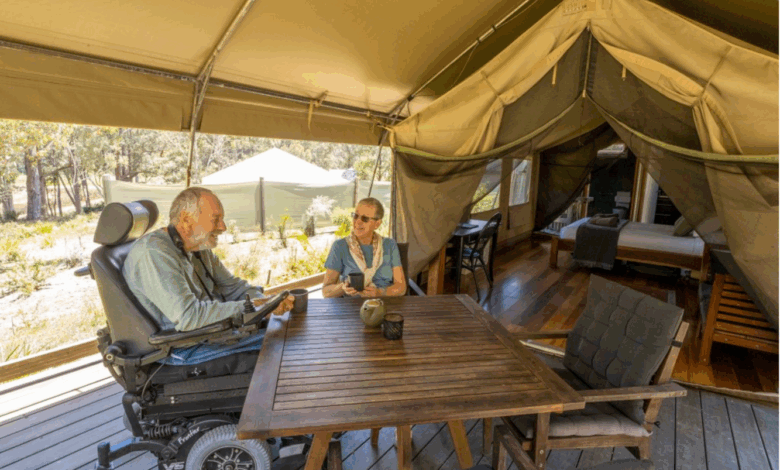
Accessibility Accreditation transforms and enhances the guest experience
Op-Ed: Kerry Williams says she designed the accreditation program with one focus — making sure the guest experience is front and centre.

When I started travelling with my mum, who lived with a disability, I soon discovered that what many of us take for granted—the joy of travel—often brought stress, uncertainty, or disappointment for those with accessibility needs.
I witnessed firsthand how often we arrived at properties labelled “accessible”, only to find crucial details had been overlooked. It might be a bed too high to transfer into or a bathroom layout that simply didn’t function for someone with mobility limitations. It broke my heart seeing Mum forced to compromise, sometimes having to handwash because the shower was inaccessible.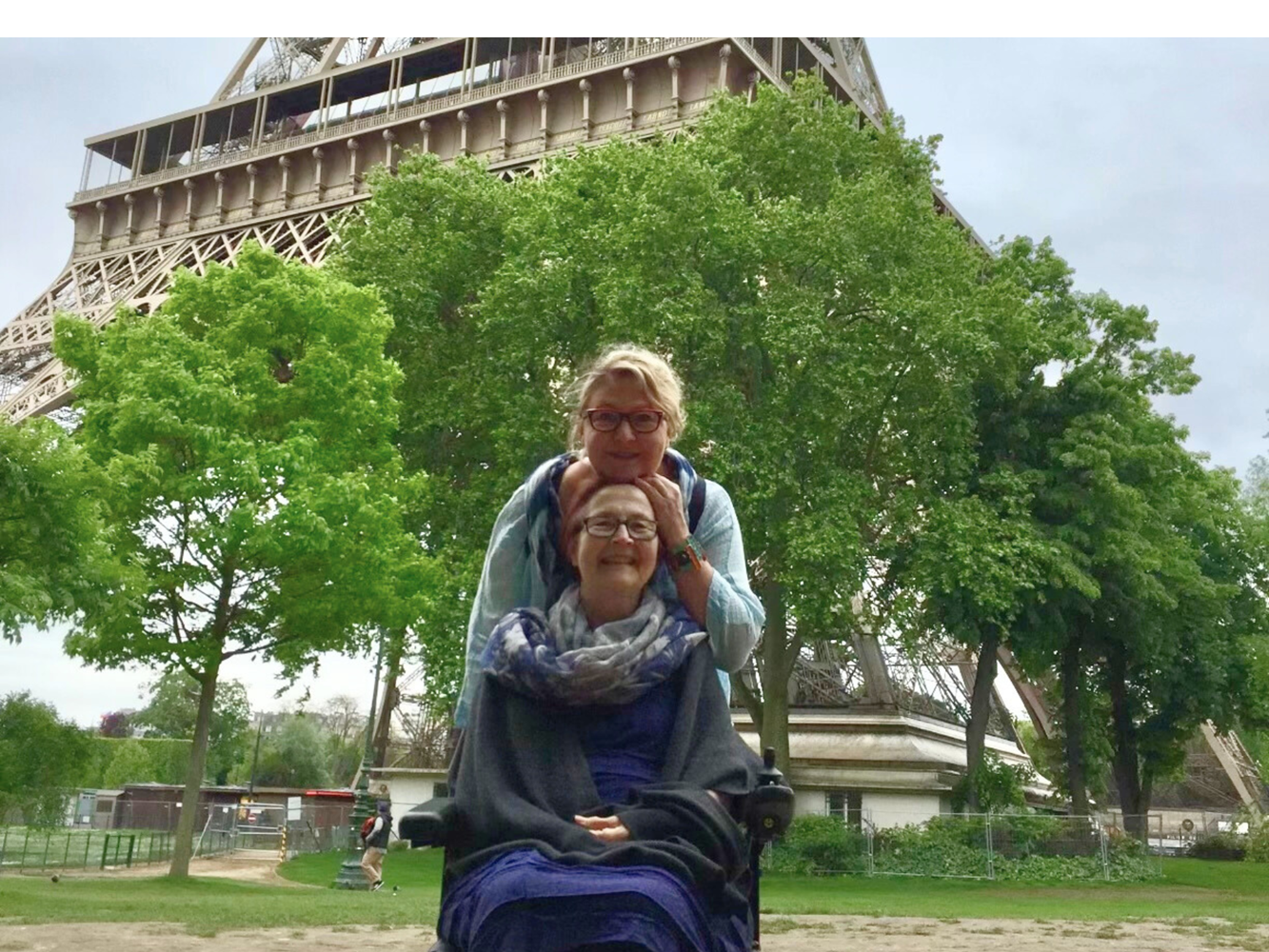
In today’s travel landscape, accessibility isn’t just a buzzword; it’s a fundamental aspect of hospitality that can make or break a joyful travel experience. However, with so many different disabilities to consider, it can feel overwhelming for operators who aren’t familiar with the nuances.
That’s why the Accessible Accommodations Accreditation Program has made it easier than ever to create a welcoming, inclusive environment—ensuring a wonderful experience for all guests, including the 21 percent of our population living with disabilities and the 16 percent who are over 65. As our population continues to age, the demand for accessible travel will only grow.

Understanding accessibility in practice
Accessibility in the context of hospitality means ensuring that everyone, regardless of their abilities, can comfortably and safely enjoy their stay. This goes beyond simply providing a grab rail in the shower. For example, guests with accessibility needs must know how high the bed is for transferring—and many other details—to ensure a comfortable experience.
When I designed the accreditation program, my goal was to focus on the end user—the guest—and how they experience the accommodation. I wanted the process to be straightforward and easy to understand, with extensive information so guests could determine whether a property suits their needs. Most of all, I wanted the program to be trustworthy, so no one would have to compromise, as my beautiful mum all too often had to.
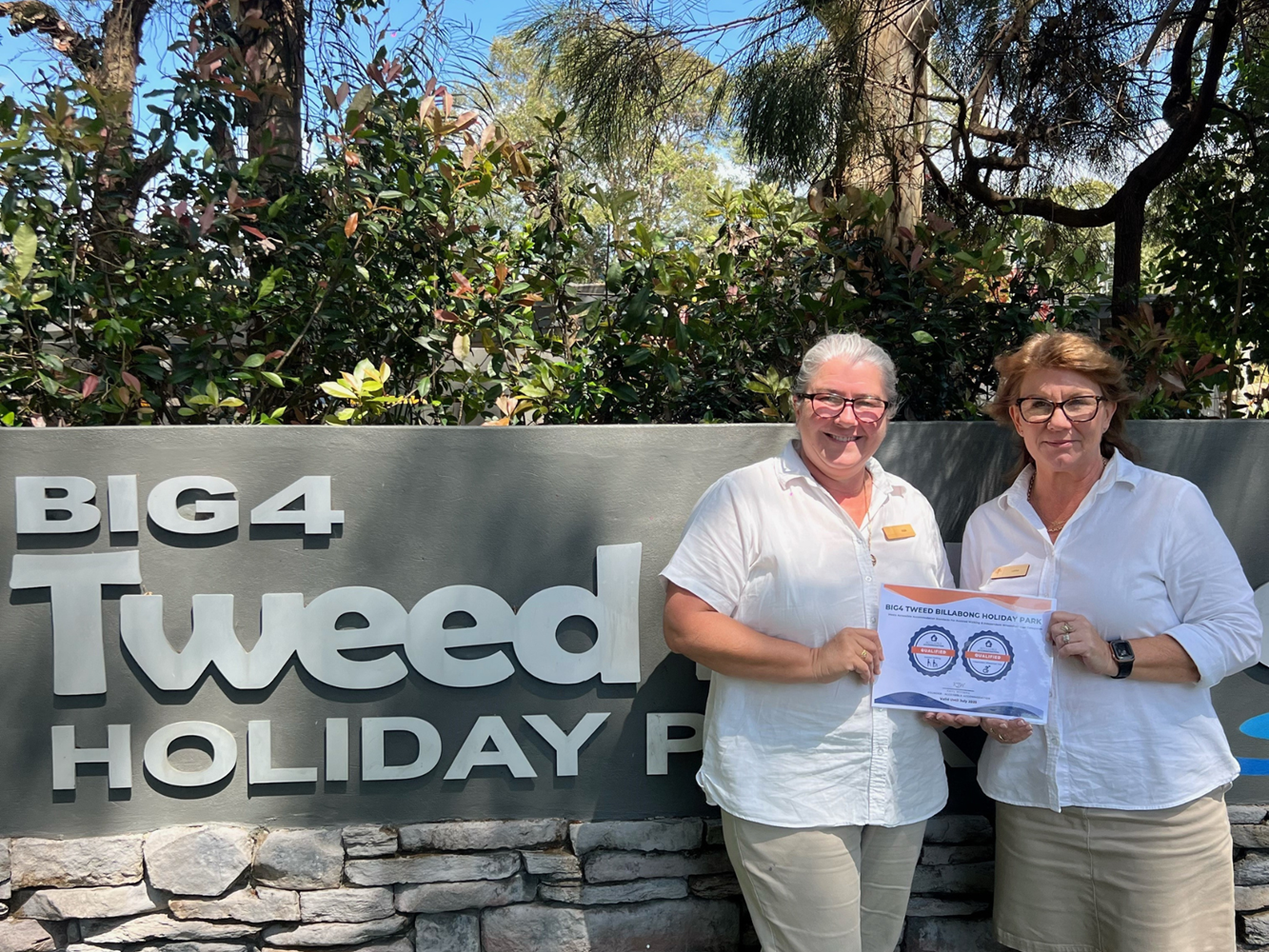
What I didn’t expect was the overwhelmingly positive feedback from operators. Many have shared that the accreditation program has given them clear guidance on where they stand in terms of accessibility. This clarity helps operators set accurate expectations for their guests, ensuring everyone is on the same page at check-in. It removes any ambiguity around the level of accessibility offered and empowers providers to make improvements with confidence. Achieving accreditation also helps operators identify ways to enhance their accessibility features and improve the overall guest experience.
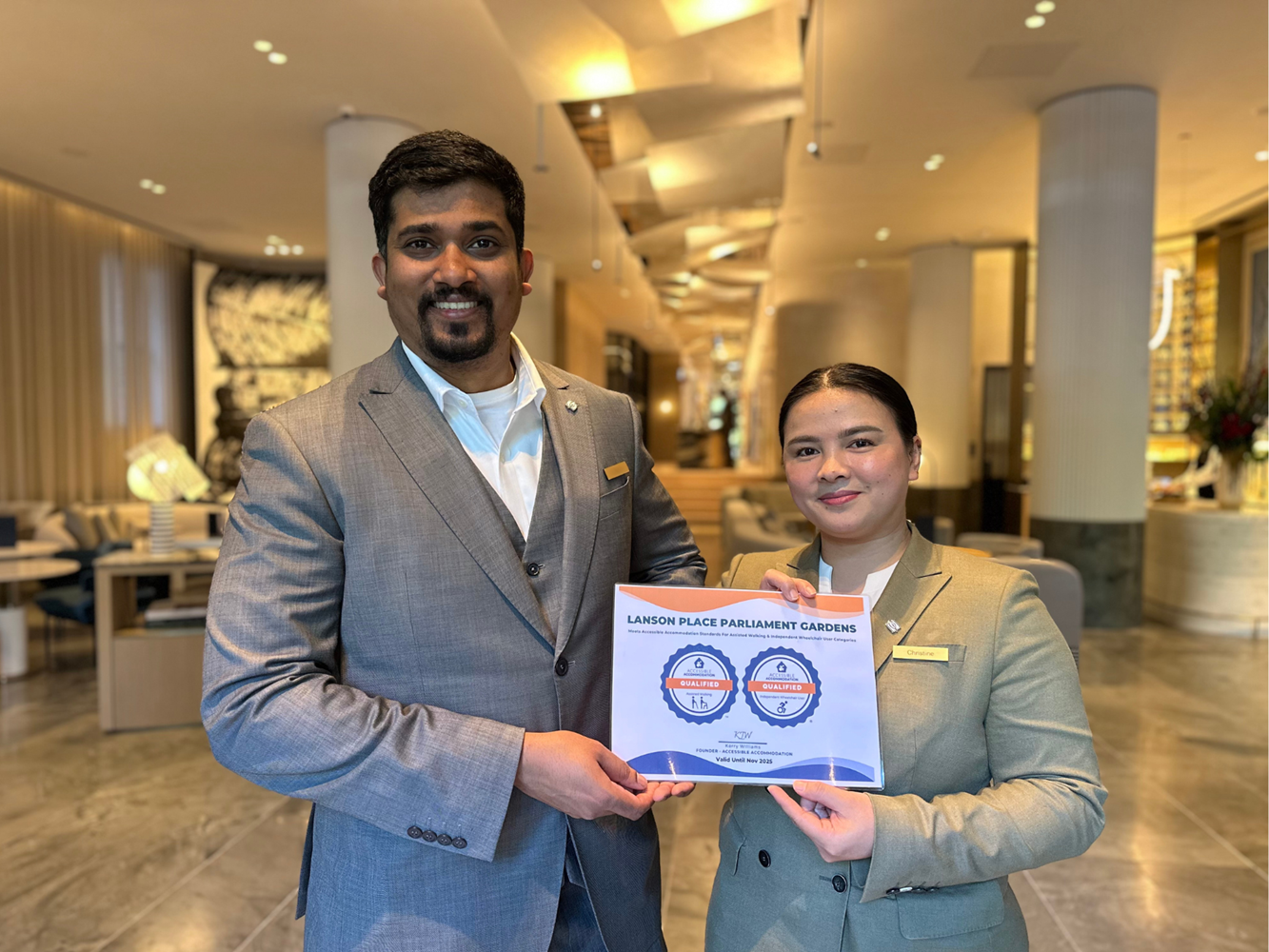
The role of accreditation
Accessible Accommodations Accreditation program plays a pivotal role in guiding accommodation providers towards excellence in accessibility. These programs provide structured frameworks and guidelines that help properties assess, improve, and maintain their accessibility standards.
Benefits of accreditation for providers
Accreditation offers:
- Enhanced guest experience: Ensures that facilities are designed to meet the needs of a wide range of guests, boosting satisfaction and loyalty, without requiring operators to be experts in disability. Many operators keep their Accessible Accommodation listing readily available, allowing them to quickly provide guests with the information they need.
- Beyond compliance: For physical disabilities, simply meeting the building code is not enough. The comprehensive FAQ section offers guests valuable details—such as the height of the sofa or whether the microwave is easily accessible—information not covered by the building code, but essential to the guest experience.
- Market differentiation: A badge of honour and offers a competitive edge, distinguishing accredited properties as leaders in accessible hospitality.
- Continuous improvement: An opportunity for continuous improvement. It encourages providers to regularly assess and enhance their accessibility features, keeping pace with evolving guest needs and best practices.
- Better reviews: When guests know exactly what to expect at the time of booking, the consistent experience upon arrival ensures a smooth stay, leading to higher satisfaction and improved reviews.
Practical impact on guests
For guests, accreditation translates into peace of mind and the freedom to travel confidently. Knowing that a property is accredited means they can expect:
- Seamless access to facilities and services that meet their specific needs.
- Transparent information about accessibility features before booking, empowering informed decisions.
Tiered accreditation
The Accreditation Program provides a clear, structured framework to help accommodation providers enhance accessibility for all guests. It includes four progressive tiers designed to accommodate both physical and sensory disabilities, each tier building upon the last with more advanced features and services to meet a broader range of needs. Sensory disabilities encompass Autism, Vision, and Hearing needs.
Older properties may not meet today’s standards but can still be suitable for many guests, such as those we categorise as “Assisted Walking” (users of walking frames or canes). This is particularly relevant for retirees who may not have a formal disability but are unsteady. Properties built after 2015 typically meet the requirements of Tier One and Two (Independent Wheelchair Users).
Tier Three (Assisted Wheelchair Users) is especially significant, as it accounts for over 40 percent of our booking inquiries, yet only 8 percent of properties currently meet these needs. This presents a huge opportunity for accommodation providers to cater to guests with higher physical needs, offering a competitive edge in a growing market.
Looking ahead
As the hospitality industry continues to evolve, so do expectations around accessibility, setting new benchmarks for inclusive travel. For accommodation providers, achieving accreditation not only enhances business practices and drives revenue growth—it also contributes to creating a more accessible world for everyone.
My greatest hope is to see more operators catering to guests with high physical needs, as well as offering sensory-friendly features—both of which remain in short supply.