Cut above: How great BBQ areas boost holiday park stays
Whether it's a sunset sausage sizzle or breakfast fry up, today’s travellers want more than a rusty hotplate under a tin roof to barbecue on.
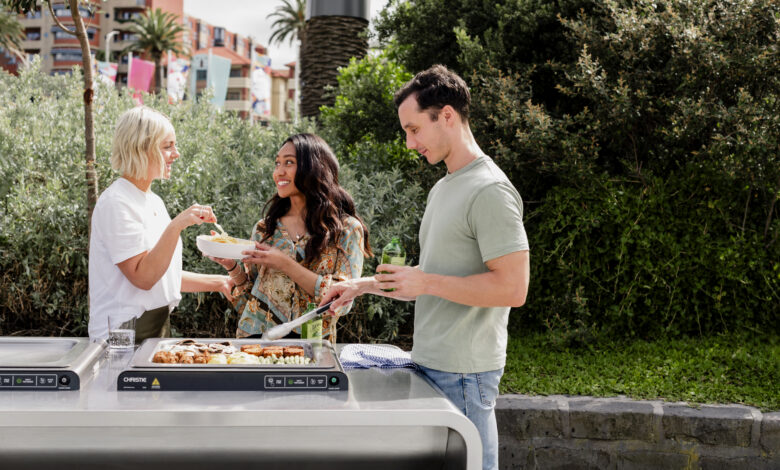
Whether it’s the smell of sizzling sausages under the stars or a big breakfast fry-up with all the trimmings, outdoor cooking is part of the magic of a classic Aussie holiday park stay.
With that in mind, communal barbecue areas and camp kitchens aren’t just about feeding hungry travellers—they’re about bringing people together and creating memorable moments. For many, they’re the heart of the stay: a place to chat with neighbours and catch up with friends and family.
Read the latest AccomNews print edition HERE
More than 15 million domestic caravan and camping trips were taken across Australia in 2023, according to Tourism Research Australia, with over half spent in commercial parks and campgrounds. For many guests, the quality of a park’s facilities—especially communal cooking spaces—can play a big role in deciding where to stay.
And it’s not just about having a barbecue; it’s about how the whole space feels. In shared areas, hygiene and upkeep are front of mind. Guests notice when everything is clean, tidy and ready to use—and they care when it’s not. A spotless prep bench, a working sink with soap, and clean cooking gear might seem like small touches, but they leave a big impression.
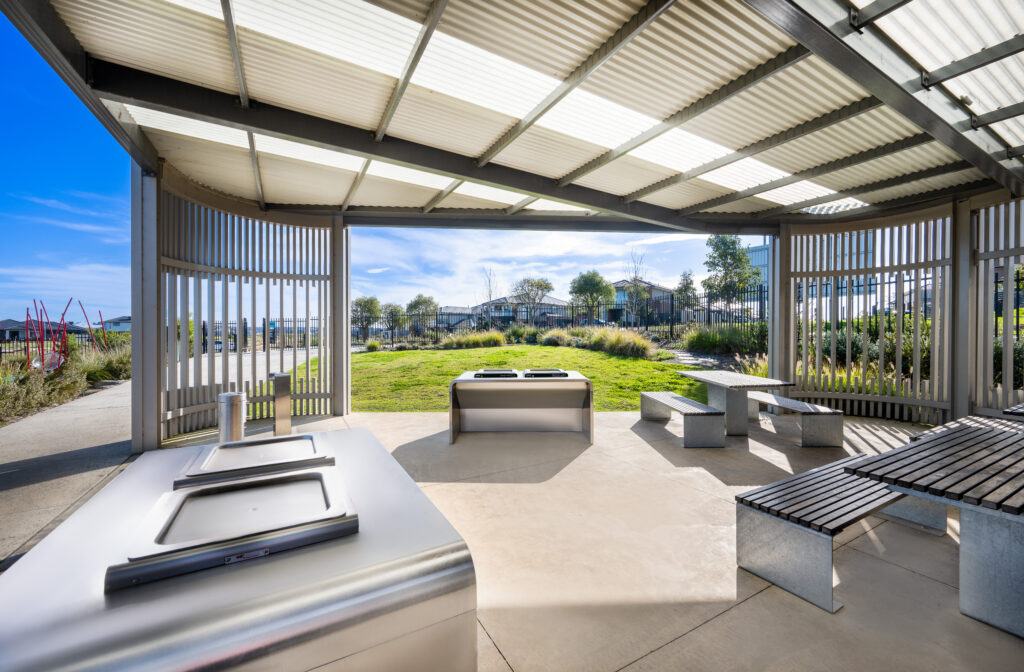
Today’s travellers want more than a rusty hotplate under a tin roof. A few thoughtful touches can go a long way. Facilities that are weatherproof, easy to clean, well-lit and carefully designed make all the difference. Add energy-efficient appliances, clear signage and comfortable seating, and suddenly the humble BBQ becomes a highlight of the stay.
For operators, investing in modern outdoor cooking spaces doesn’t just lift the guest experience—it can build positive word of mouth, boost reviews and encourage return guests.
To learn more, AccomNews caught up with Paul Conradie, head of sales at DA Christie, to explore what goes into creating outdoor cooking facilities that guests remember—for all the right reasons.
What are some of the key elements caravan park operators should consider when designing or upgrading their outdoor cooking facilities?
Paul Conradie: Accessibility, reliability and durability are top priorities. Barbecues in parks must withstand heavy use and all kinds of weather. Select equipment that offers value for money with proven reliability, commercial-grade components and minimal maintenance.
Ease of cleaning is also essential when you have a short window between guests. Complicated attachments, grooves that trap food and awkward corners are all difficult to clean efficiently.
Operators should also think about placement. The barbecue area needs to be easily accessible but positioned to minimise smoke drifting into nearby cabins or caravans. Shade, lighting, waste bins and nearby seating are must-haves. It’s also important to factor in adequate power and water supply during early planning.
What innovations are you seeing that make outdoor cooking safer, easier to maintain and more hygienic for guests?
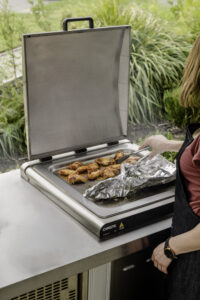
Paul: We’re seeing a steady shift away from gas toward fully electric barbecues with built-in temperature controls and safety features. These reduce the risk of fire or injury from open flames and require less upkeep.
A sterilisation cycle with auto shut-off eliminates bacteria on the cooking surface. One-touch ignition, cabinets with integrated cleaning systems and sloped hotplates that channel fats into concealed catch trays are also becoming standard.
Materials matter, too. Stainless steel is the most durable, versatile and hygienic material for cabinets and accessories. Always check that cooking surfaces are made from a high-performance stainless steel alloy such as 4622 grade, because lower grades are poor heat conductors.
How critical is layout and accessibility when planning communal cooking areas, and what design choices can help ensure these spaces are inclusive and easy to navigate for all guests?
Paul: Very critical. A poorly laid-out barbecue area can be a source of friction rather than enjoyment. Every guest should be able to move through the space safely, whether they’re using a mobility aid, pushing a pram or carrying a tray of food. At a minimum, that means clear, non-slip pathways and adequate turning spaces.
Avoid crowding too many barbecues into one area—space them so multiple groups can cook comfortably at the same time. Good lighting, clear signage and shelter from sun or rain all go a long way to creating an inclusive, accessible cooking experience.
In your experience, how do outdoor cooking facilities contribute to guest satisfaction?
Paul: They’re a big drawcard. Well-designed cooking areas become social hubs. They give travellers a chance to meet, swap stories and feel part of the travelling community. A clean, easy-to-use barbecue shows that the owners value quality and guest comfort.
On the other hand, a poorly maintained or broken facility can quickly put people off. For many guests, especially those travelling with kids or on longer road trips, the chance to cook a simple meal outdoors in a relaxed setting is a key part of the holiday experience. When it works well, it leaves a lasting impression.
This article was first published in our 2025 Caravan and Holiday Park Industry Spotlight. Explore it HERE