
Built for play, designed for stay: Bringing families back again and again
Well designed play spaces can convert families from one-time visitors, to regular holiday makers at your caravan park.

Australia’s holiday park sector is booming, with national summer revenue lifting 3.7 percent to just under $900 million, according to the latest figures from Caravan Industry Association of Australia. While rising costs and inflation have contributed to this increase, growing demand—particularly from families—has driven investment in family-friendly facilities across the sector.
Families are continuing to turn to holiday parks as a value-for-money alternative to hotels, especially as household budgets tighten amid the ongoing cost-of-living crisis. In today’s competitive market, features like well-designed, memorable play areas can be the deciding factor between a one-time visitor and a returning guest.
Read the latest AccomNews print edition HERE
But modern playgrounds are more than just a slide and a swing. From inclusive design and accessibility to safety, sensory appeal and visual impact, the most successful play areas are strategic investments. They reflect a genuine understanding of guest needs—and a commitment to creating spaces where kids, teens, parents and grandparents can all play, relax and connect.
To find out how parks can create family-friendly play areas that truly stand out, AccomNews spoke with Australian Waterslides and Willplay.
What considerations should caravan park operators take into account to ensure their waterslides and aquatic play equipment meet the entertainment needs of guests across all age groups?
Annette Matthews, Owner, Australian Waterslides and Leisure: For families with children, aquatic attractions are a major drawcard. In many cases, the presence of waterslides or splash parks is the deciding factor when choosing one park over another. It’s no longer just a ‘nice extra’—it’s a must-have for attracting today’s family travellers.
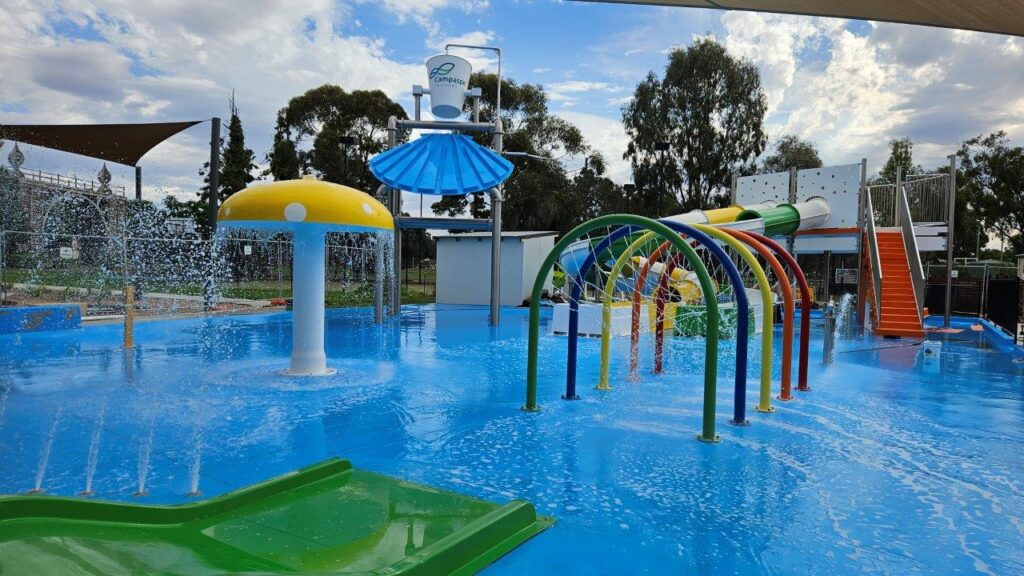
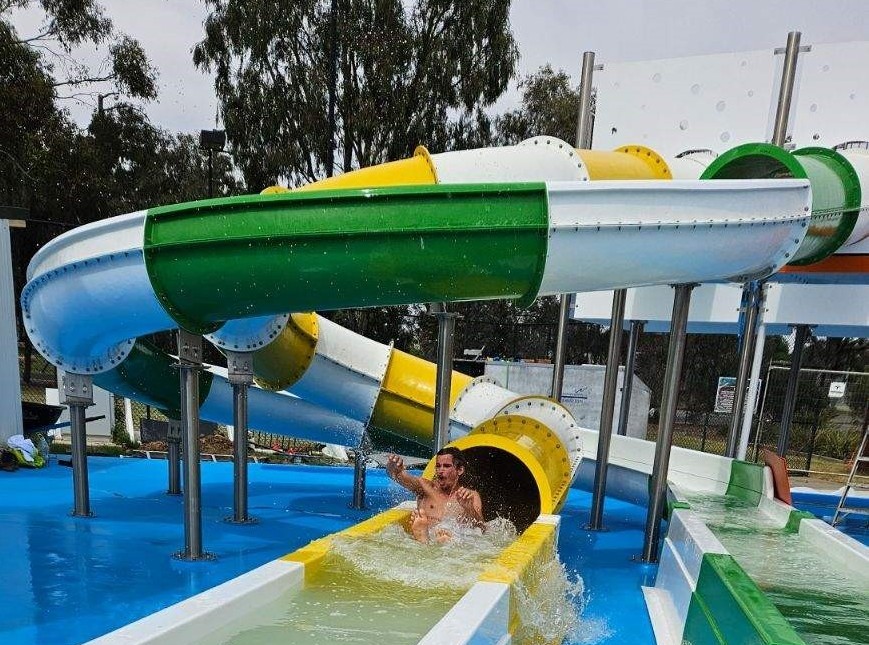
To appeal to all ages, variety and inclusivity are key. Waterslides designed for thrills are ideal for older kids and teens, while splash zones with tipping buckets, mushrooms and gentle water features are perfect for younger children.
A well-designed layout with good visibility, shaded seating for supervising adults and intuitive zoning can make a huge difference.
What emerging trends are you seeing in waterslide and splash park design?
Annette: Waterslides and water play areas never really go out of style, but we are seeing a shift toward more tailored, space-savvy designs. Parks are looking for custom-built solutions that work with their available footprint while still delivering maximum fun.
Slides remain popular with teens, while themed, interactive splash zones keep younger kids entertained for hours.
And while fun is always the focus, safety never goes out of style. All equipment must meet Australian standards—so it’s vital to work with experienced suppliers who understand these technical requirements.
How can your waterslide designs be customised to suit the specific needs, space and aesthetics of each individual caravan park?
Annette: Waterslides and play features can be fully customised to meet each park’s specific needs—whether that’s space limitations, branding, guest demographics or design aesthetics. This allows operators to create something that feels integrated, purposeful and in tune with their overall vision for the park.
What about parks in colder climates or regions with distinct winter seasons?
Annette: For parks in cooler climates, we recommend designing a combination wet/dry play zone. That way, even during colder months when the water features might be turned off, you still have a vibrant and appealing play area that adds value year-round.
That said, kids are often far more resilient than we expect. We’ve seen examples—like a park in Morwell—where children continue to use the splash zone even in winter!
Are there any other important considerations operators should keep in mind?
Annette: Absolutely. It’s critical to work with local companies that use Australian steel and labour. Not only does this support our local economy, but it ensures the equipment is built to withstand the harsh Australian climate and meets our strict safety standards.
Caravan parks investing in aquatic play equipment should never compromise on quality or compliance. Choosing a reputable, experienced local supplier means the equipment you install is not only fun and functional, but safe, durable and designed to last.
What trends are you currently seeing in playground design?
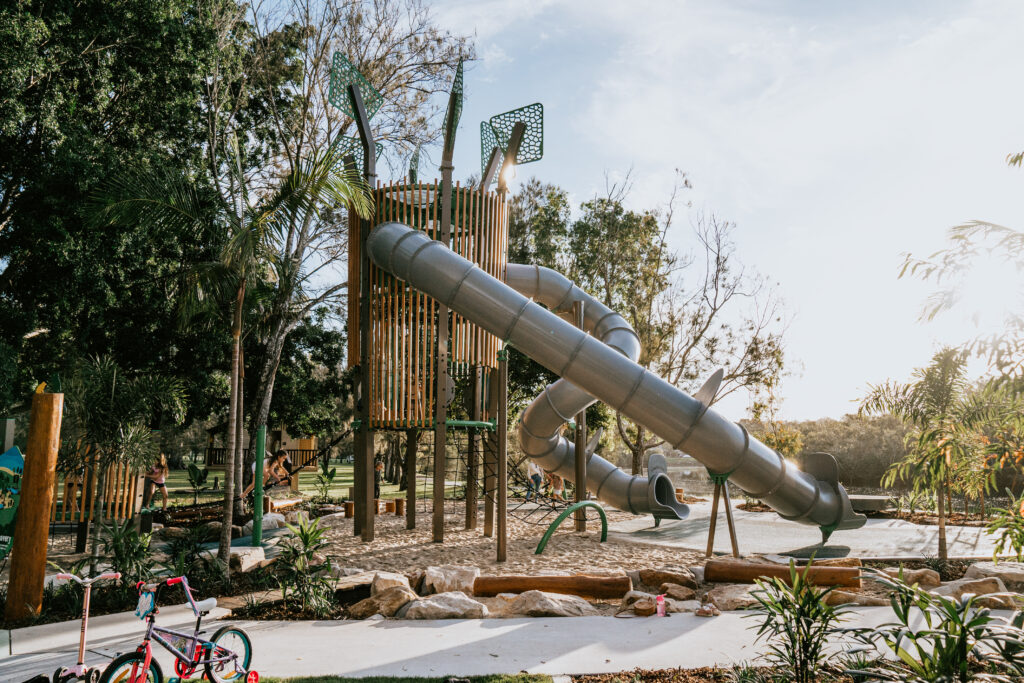
Nathan Lee, General Manager, Willplay: There’s a noticeable shift back to traditional playgrounds.
We’re also seeing more multi-generational design. Fitness elements are being incorporated into playgrounds so parents and carers can work out while the kids play—especially useful during school terms when the playground might otherwise be quiet.
Another growing trend is the push toward Australian-made and recyclable materials. The result is more sustainable, locally sourced playgrounds that reflect the values of today’s families.
How can caravan and holiday parks create standout, memorable spaces for families?
Nathan: It begins with understanding your target demographic. For some parks, the playground is a central drawcard—something guests choose the park for. For others, it’s a value-add that enhances the experience without being the main attraction. That’s why it’s important to identify the guests you’re catering to and design accordingly.
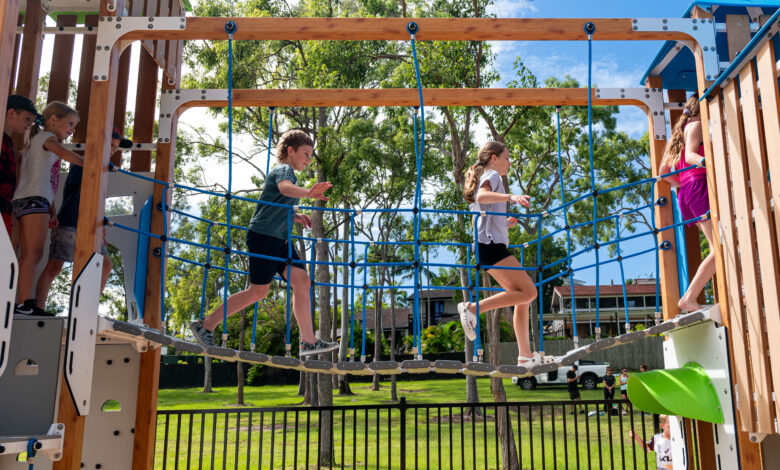
Playgrounds are often the heart of a holiday park, so they need to be both visually appealing and highly functional. Design with multi-age use in mind: low, safe elements for younger children, and more adventurous challenges for older kids.
Also consider the visual impact from the street or main entrance. A well-designed playground can create an immediate wow factor, drawing in passing traffic and sparking curiosity among guests exploring the park.
The most memorable parks offer shared spaces where the whole family can engage—spaces that look great, feel safe and offer something for everyone.
How is modern-day equipment evolving to meet the growing demand for inclusive and accessible play experiences?
Nathan: Accessibility is no longer just about having a specific piece of equipment. It’s about ensuring everyone can access and enjoy the space. That starts with clear, safe pathways, soft-fall surfacing and logical, inclusive layouts.
There’s a move toward ground-level activities that encourage multi-generational play—so grandparents can interact without needing to lift or climb. It also supports children with mobility or sensory needs, ensuring they can join in without being sidelined.
Modern play spaces avoid segregating accessible equipment into separate areas. Instead, they’re fully integrated, so all children play side-by-side, regardless of ability.
Operators need to define what accessibility means for their guests—whether it’s physical, developmental or sensory. Colour choices, layout, signage and equipment types should all reflect those needs, and engaging with a play designer can guide this process.
For caravan park operators looking to upgrade their playground area, what are some key considerations?
Nathan: Start with your budget, but don’t let it be the only deciding factor. You want to create real value—not just tick a box. It’s about building a space that encourages repeat visits and happy memories.
Shade is another must. Assess whether natural shade can be incorporated, or if man-made solutions like sails are needed.
I’d also encourage operators to be cautious about trying to reuse old equipment. It might seem cost-effective, but outdated structures often fall short of modern safety standards. Know when to renovate and when to start fresh.
Also think carefully about your audience. Are you designing for toddlers, school-aged kids, teenagers, or all of the above? And don’t forget the adult experience. Provide shaded seating, tables and good visibility so parents and carers can relax and supervise comfortably. A well-planned layout encourages family interaction and extends playtime.
Finally, working with a qualified play designer can help you navigate safety, compliance, accessibility and aesthetic considerations.
This article was first published in our 2025 Caravan and holiday park industry spotlight. Click below to read the supplement online.