
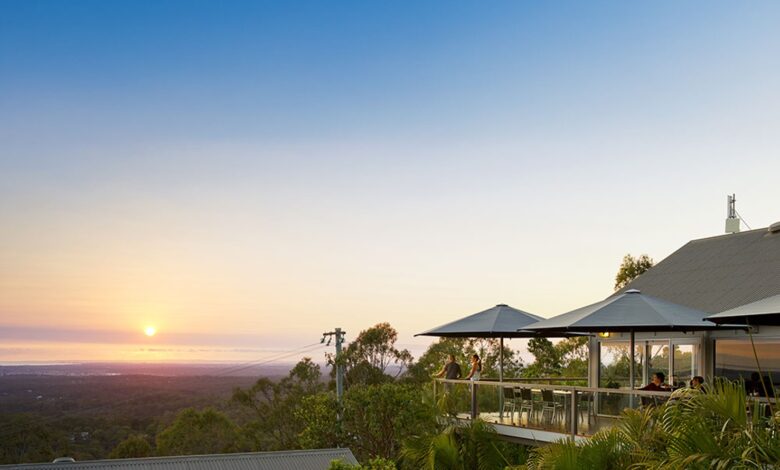
Mandala Hotels and Resorts: A regional powerhouse with global perspective
From Brunei royalty to the bush: John Zeckendorf and Ryan Shaw’s Mandala Hotels & Resorts story is one of vision, adaptability, and authentic regional hospitality.

From managing the assets of Brunei royalty to building one of Australia’s most diverse hospitality portfolios, John Zeckendorf and Ryan Shaw founders and principals of Mandala Hotels & Resorts (MHR) have seen the full spectrum of the property and hospitality sectors.
Their journey began in insolvency in the late ‘80s and evolved into managing luxury assets and distressed properties alike. In 2003, they returned to Australia with capital to invest and acquired their first hotel. That single acquisition sparked a wave of interest from peers and investors, leading to the formation of a fund and the birth of Mandala.
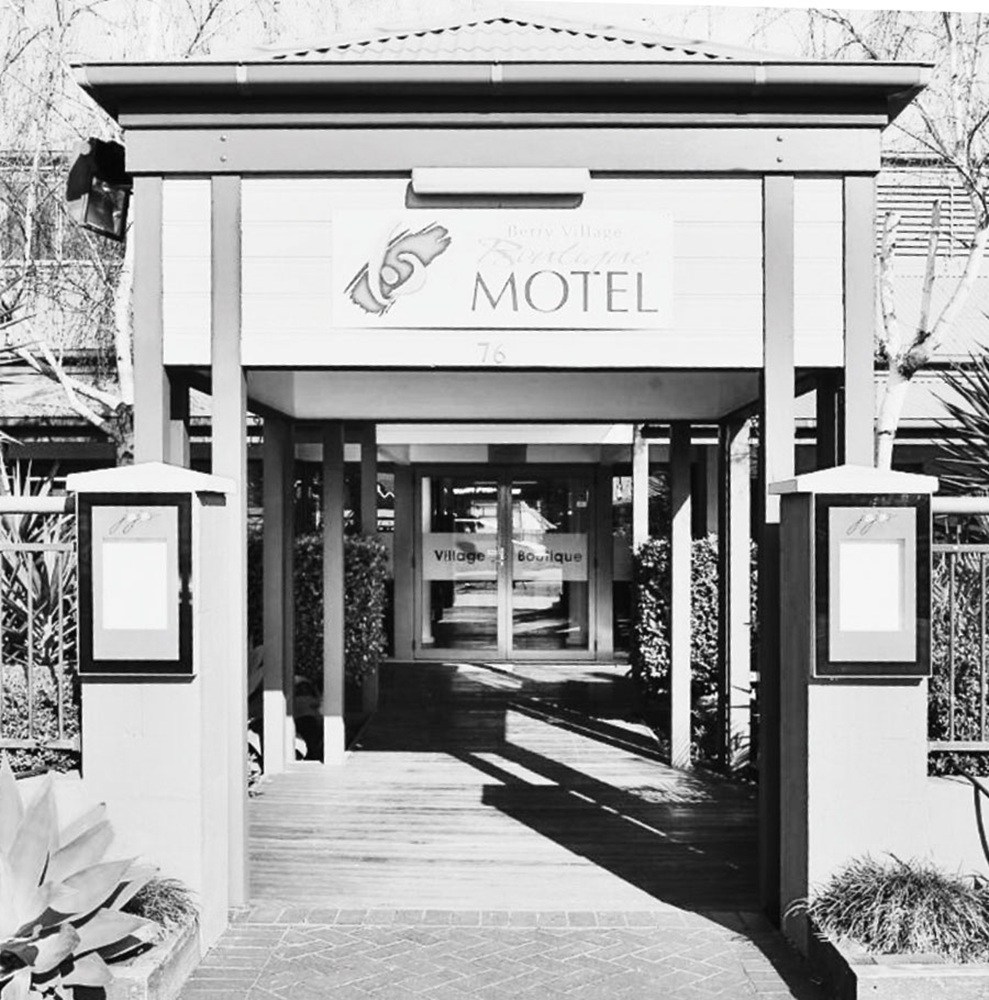
Today, MHR oversees a portfolio of approximately 40 properties, spanning hostels to five-star resorts. Their model is deliberately diverse owning freehold and leasehold assets, managing third-party properties, and operating within strata and management rights frameworks. Their reputation as regional specialists is well-earned, and the business continues to evolve with agility and purpose.
First published in the latest edition of AccomNews. Read it HERE.
Vision, strategy and regional expertise
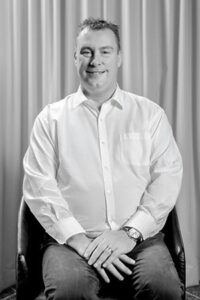
Ryan Shaw attributes MHR’s sustained growth to one key factor: consistent delivery.
“We’ve met our return targets year after year. Unlike many funds that overpromise and underdeliver, we’ve built trust through performance. That’s why investors keep reinvesting.”
Their success also stems from a deep understanding of regional hospitality.
“In regional areas, guests value authenticity over polish. It’s not always about price, it’s about perceived value and genuine service,” Ryan explains. “A restaurant or lounge isn’t just an amenity; it’s a space for connection. This matters.”
Flexibility is central to MHR’s operating philosophy. “We tailor our approach to each property rather than imposing rigid systems. We’ve seen a lot of people come into this industry, set up these big operations, and then try and impose it on regional properties and it just doesn’t translate to regional settings.”
In 2024, MHR rebranded to unify more properties under the Mandala name. “We saw a gap in regional branding. Properties like Ace Albany lacked strong identity, so we stepped in to elevate that,” Ryan says.
Growth through ownership and management
Unlike many hotel operators, MHR owns a significant portion of its portfolio. “Most companies that are managing hotels for other people don’t actually own assets, hence they don’t have a direct stake in the hotel market, they’re just providing a service,” Ryan said.
“That ownership gives us credibility. Owners trust us because we understand their perspective, we’re in the same game.”
MHR’s footprint now stretches coast to coast across the whole of Australia, enabling rapid acquisition and management of properties wherever opportunities arise. The company is also expanding its management arm, particularly near city centres, where owners are increasingly seeking professional operators for multiple assets.
Ryan concedes there are some strong competitors in this space, though they tend to have different niches. For regional properties, it would be hard to find a company that matches Mandala’s reach.
Looking ahead, MHR will launch a premium variant of the Mandala brand, debuting at its Berry property. The recent acquisition of Mercure Clear Mountain in Brisbane’s hinterland will also be repositioned for luxury escapes, weddings, and corporate retreats under the Peppers branding.
Ryan said this pivot to buying and repositioning properties will be an important part of the company’s ongoing growth strategy. “We’re shifting from light-touch improvements to strategic repositioning,” Ryan says. “We know what guests want and most importantly we deliver.”
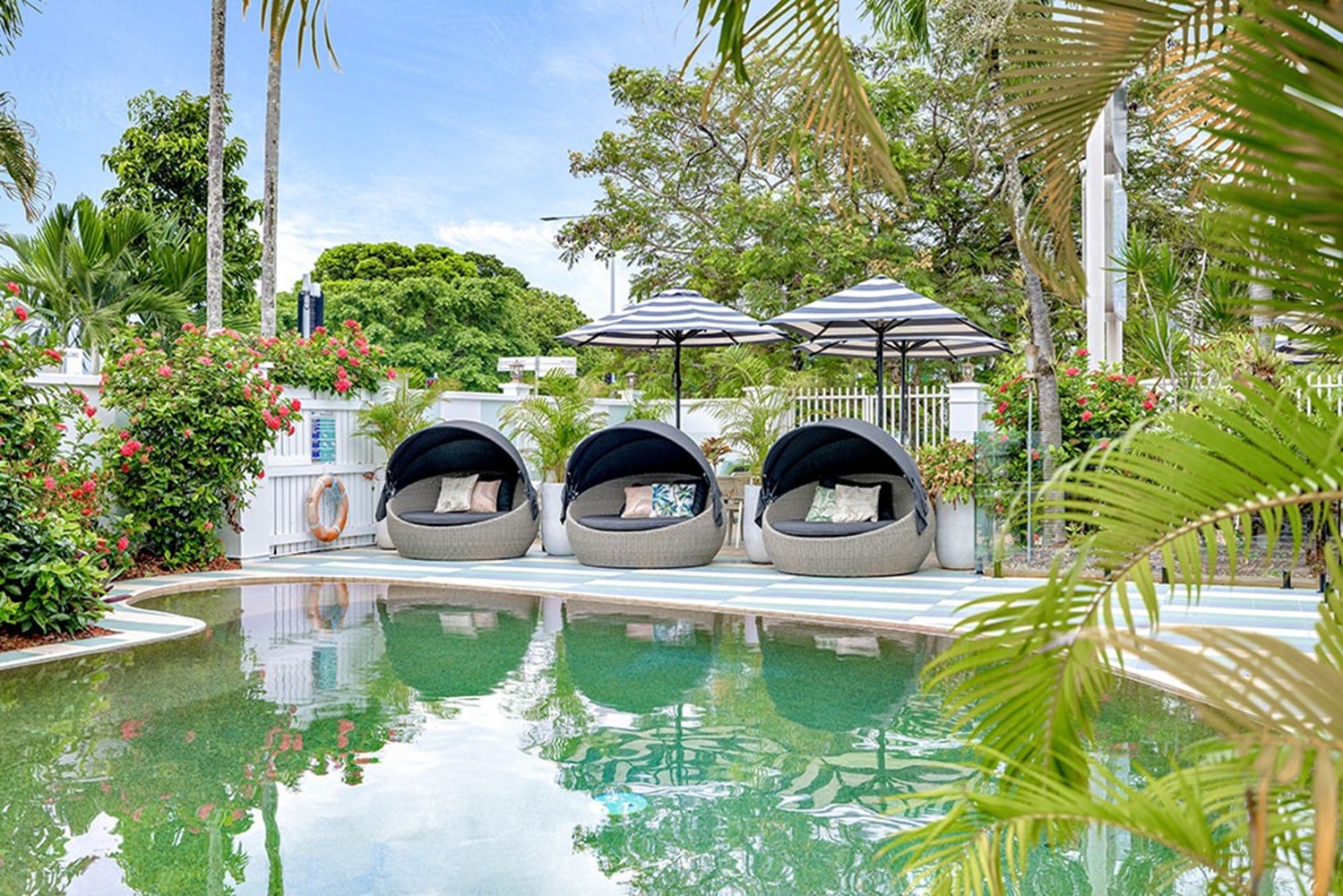
Community, ESG and the Mandala philosophy
John Zeckendorf reaffirms MHR’s commitment to community is embedded in its ESG strategy.
“We’re often the largest business in town, and we take that seriously,” John says. “Each property has a plan and funding to engage with its local community where it’s needed most.”
The company’s name reflects its ethos.
“A Mandala represents harmony, the idea that the whole is greater than the sum of its parts. For us, that means balancing People (staff), Patrons (guests), Partners (investors), and the Planet. If one outweighs the others, the system wobbles.”
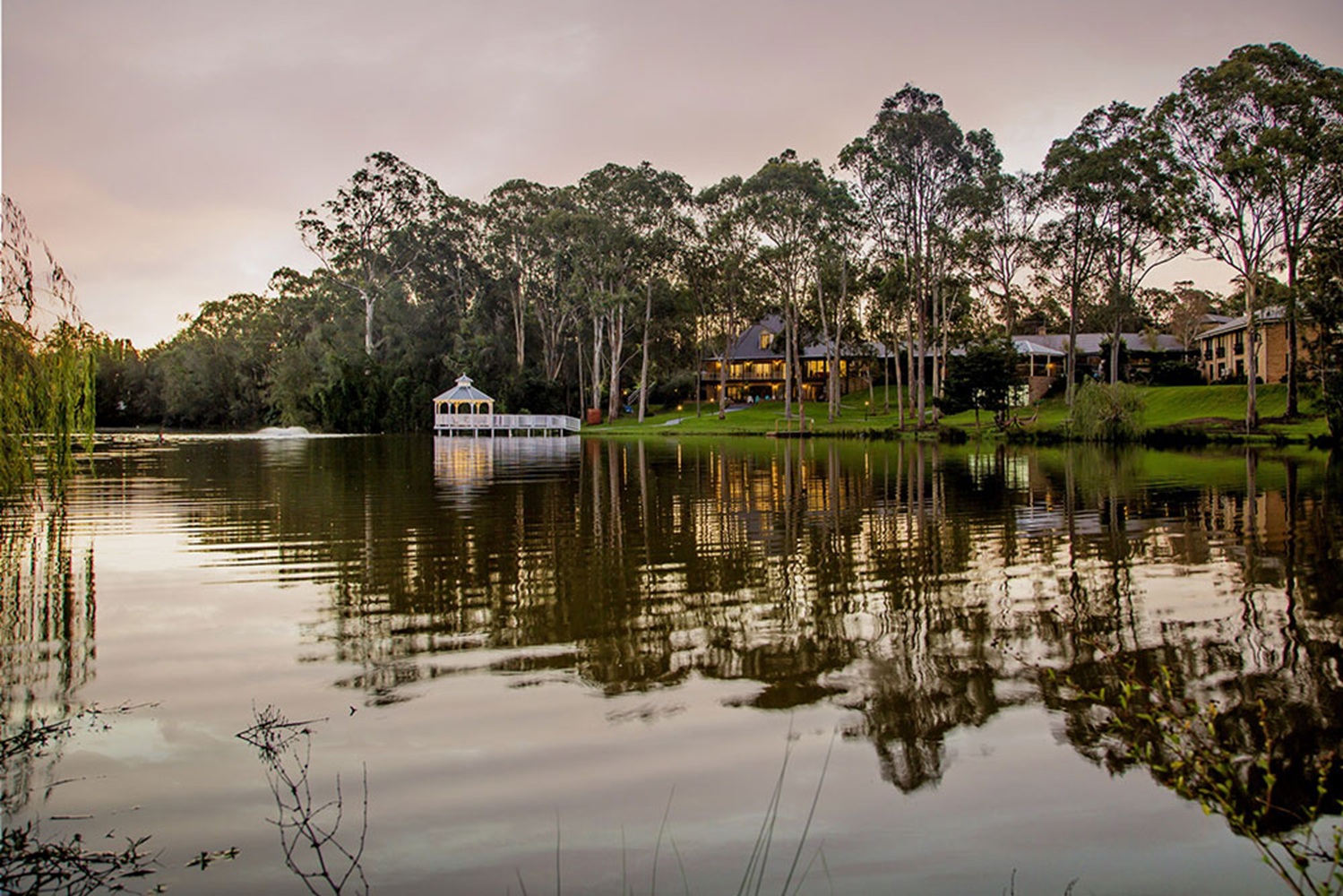
Regional investment philosophy
John jokes that MHR is “notoriously bad at selling.”
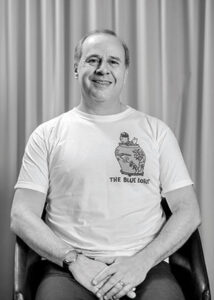
“We’ve bought 40 properties and still own 37. Our funds start as five-year vehicles, but investors rarely want to exit. They’re happy with the returns and reluctant to face tax implications or lose access to our performance.”
The Trinity Accommodation Regional Hospitality Fund (TARHF) One is now in its 16th year. TARHF Two was extended by investor vote, and Fund Three is expected to follow suit.
“Our investors trust us to find buyers if needed, but they’d rather retain the properties and keep the returns flowing.”
MHR’s strategy hinges on diversification across guest sectors (government, agriculture, tourism) and geography. This spread insulates the business from localised disruptions.
“If one property is impacted by a natural disaster, another benefits from the same weather pattern. Our scale gives us resilience.”
The company’s fund isn’t allowed to invest in the cities, though John said MHR is increasing its presence in city centres through its hotel management arm. “We’re starting to see a lot of people who bought a couple of hotels, thought it was fun, and bought a couple more and decided gee, this is a lot of hard work.
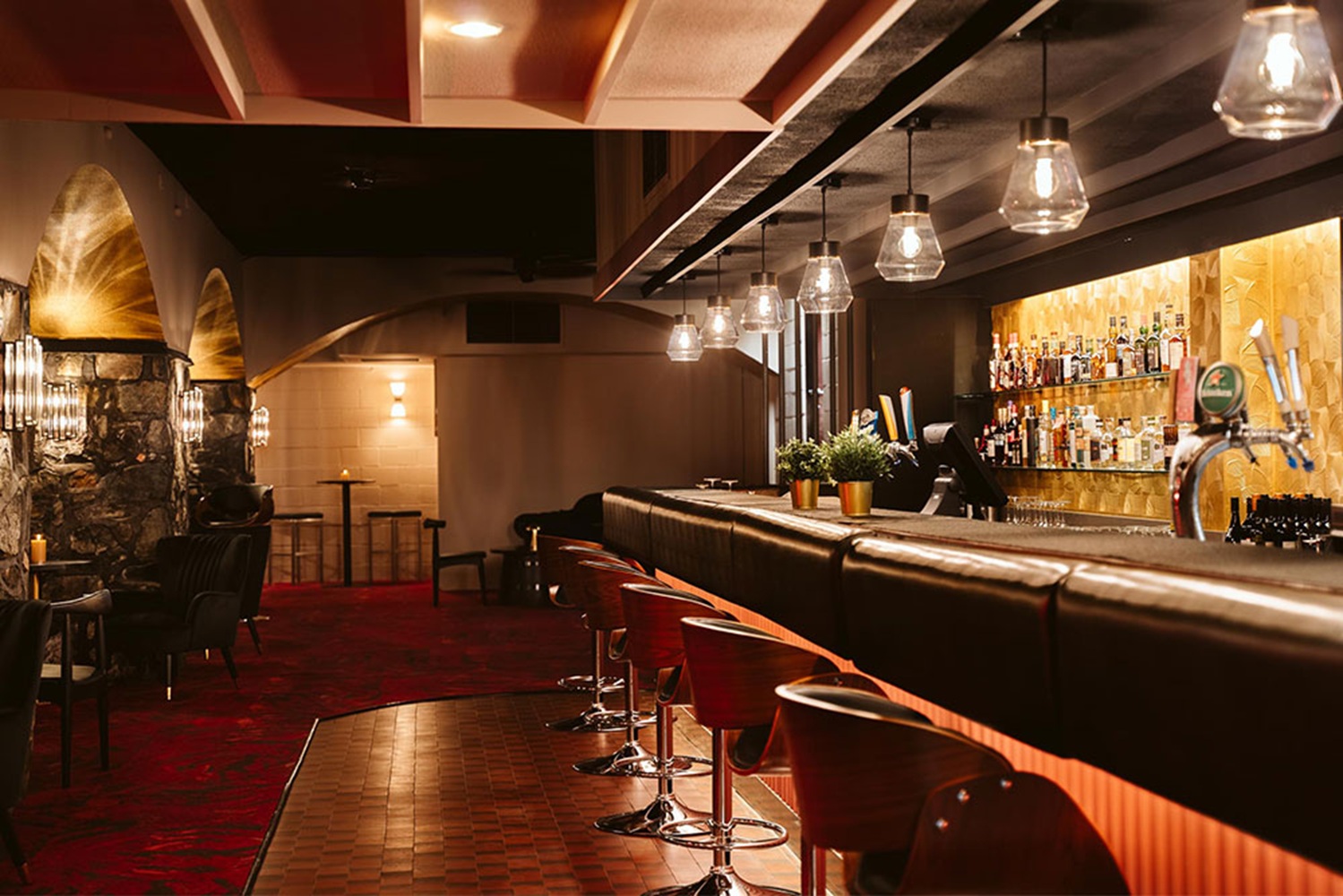
“This means that people are now coming to us not with one property for us to manage, but maybe three or four properties.”
Read more about Mandala Hotels & Resorts in AccomNews HERE
Read the new edition of AccomNews HERE