

Hotels score solid A- as occupancy lifts across most capitals
Hotel report card: A solid A-. A strong year overall, with even higher marks in sight if international arrivals lift and the weather behaves heading into 2026.

Australia’s hotel sector has wrapped up 2025 with a strong overall performance, earning an A- in the latest end-of-year occupancy report card released by Accommodation Australia.
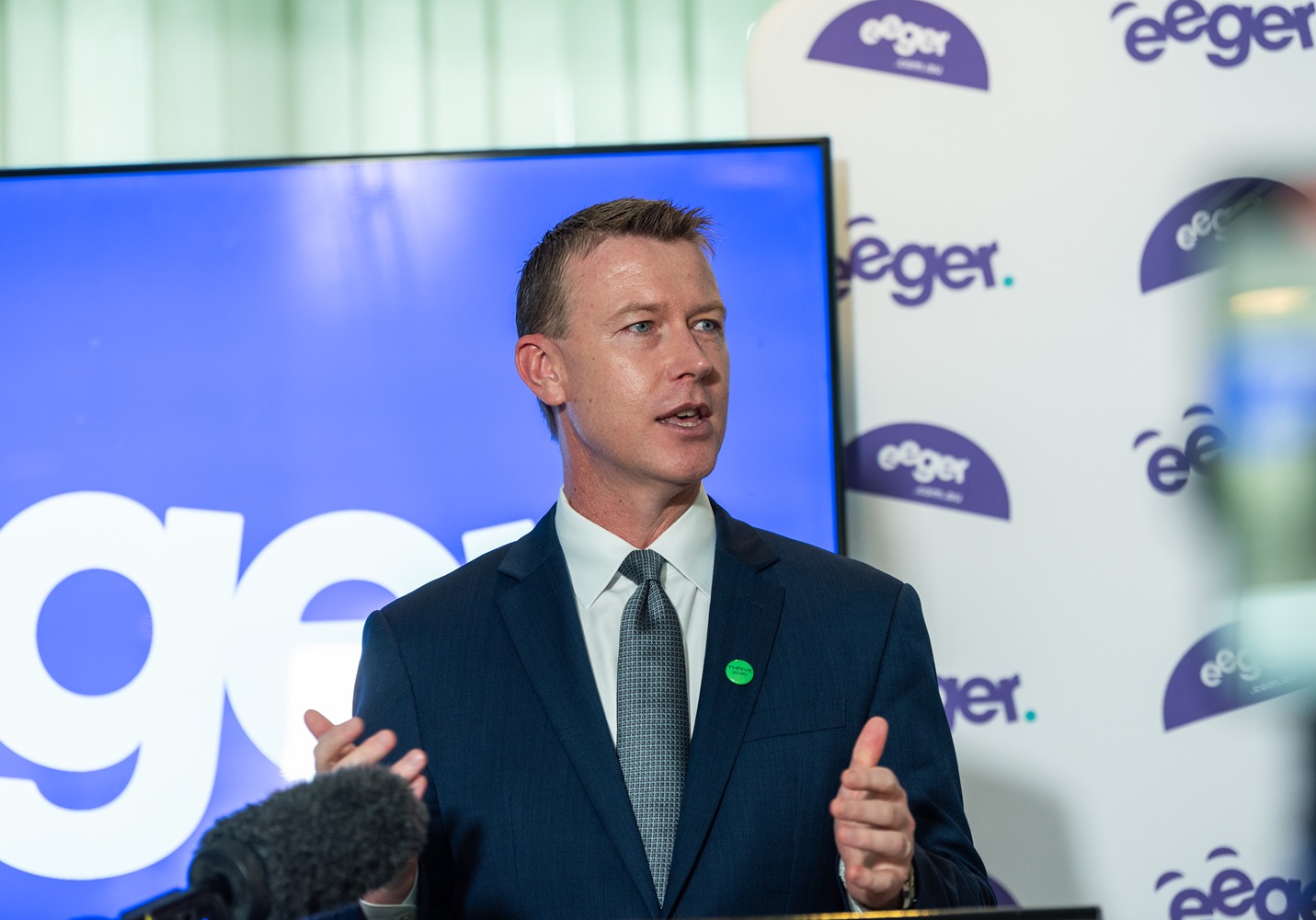
Chief Executive Officer James Goodwin said most capital cities recorded improved occupancy over the year, led by Perth, followed by Sydney, Hobart and Adelaide.
“The end of year report card shows strong figures across most capital cities, scoring a solid A-,” Mr Goodwin said.
He credited a busy calendar of international sporting and cultural events, major performers and festivals, alongside a rebound in business events and corporate travel, for driving demand throughout the year.
While the results were positive, Mr Goodwin said there was still room for improvement, particularly in international visitation.
“The score would have been higher if we had seen stronger international tourist numbers, with overseas arrivals still just below 2019 levels, and extreme weather also putting a dent in Gold Coast occupancy,” he said.
He said attracting international visitors would be a key focus in 2026, with the sector hoping to return to more consistent overseas demand throughout the year. A record New Year’s Eve result in Sydney had already set an optimistic tone for the year ahead.
According to the report card, almost all capital cities recorded higher average occupancy rates in 2025. Brisbane was the only capital to see a slight decline, down 0.6 percent, while the Gold Coast fell by 2.8 percent.
The second half of the year also delivered growth in room rates, with the average daily rate rising to just over $230. Sydney, Brisbane, Perth and Hobart all recorded increases broadly in line with inflation.
Adelaide and Sydney were standout performers. Adelaide finished the year with a five percent increase in occupancy, while Sydney CBD led the country with a 5.2 percent lift, reaching an average occupancy of 83.6 percent for 2025.
Read more from Accommodation Australia in AccomNews HERE
The report also highlighted the impact of external factors such as weather and major events on hotel performance.
“The Gold Coast and Brisbane average occupancy, for example, did not fully recover lost ground following the cyclone in March,” Mr Goodwin said.
David Mansfield, Chair of Accommodation Australia, said the outlook for the year ahead remained positive.
“There is a strong sense that we can improve demand by working together as a sector with governments and other tourism stakeholders to support sustainable growth,” Mr Mansfield said.
Accommodation Australia is set to release its next mid-year report card at the end of June 2026.