
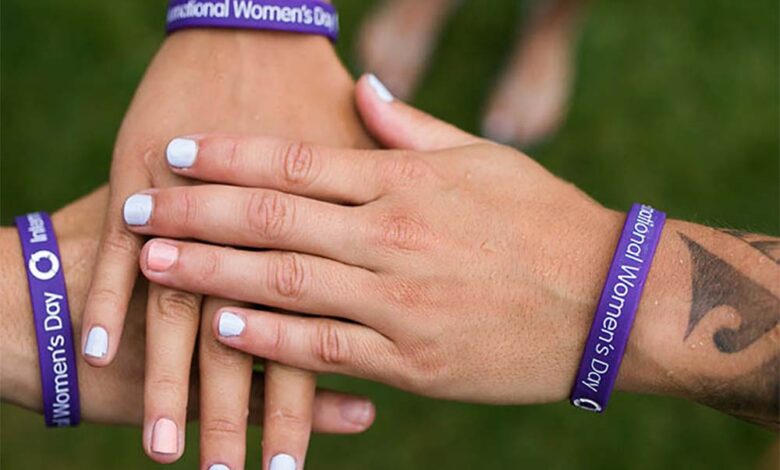
International Women’s Day 2026: Women leading change across hospitality and tourism
Women across hospitality and tourism share how giving knowledge and support helps others grow

This year’s International Women’s Day theme, ‘Give to Gain’, highlights the power of generosity, mentorship and collaboration in driving progress. Across the accommodation and tourism sector, women are shaping the industry in roles ranging from hotel management and accessible tourism to coral restoration.
To mark IWD, three industry leaders share how giving time, knowledge and support can strengthen workplaces and communities, while helping advance women across the sector.
Nikki Little
General Manager, Pullman Sydney Hyde Park
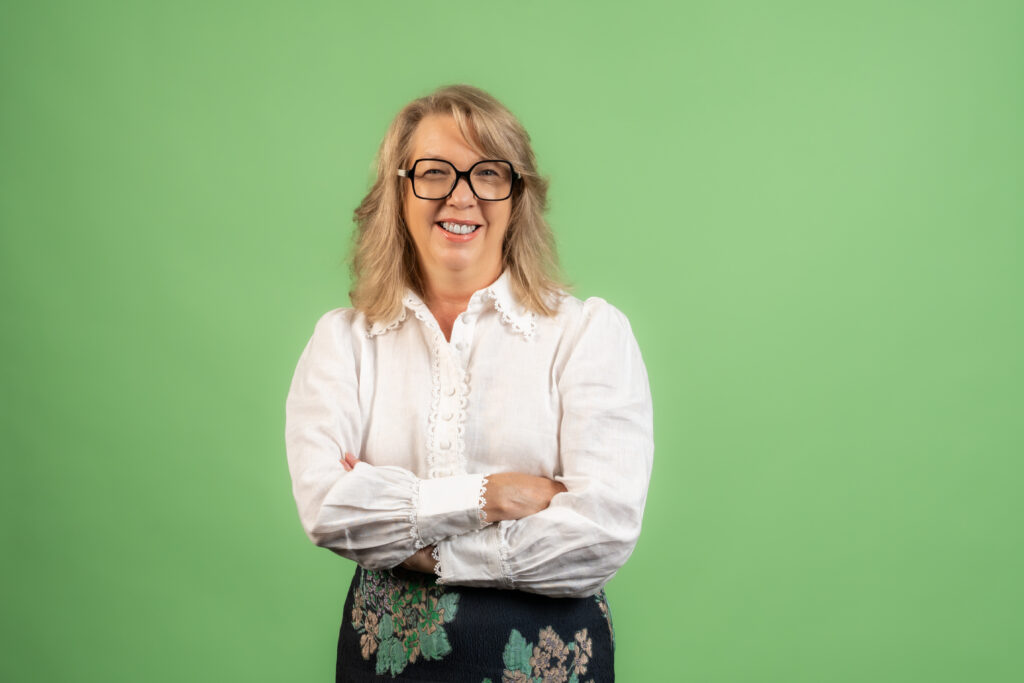
You began your career in reservations in 1987 and are now celebrating two decades with Accor. What has that journey taught you about growth and progression in hospitality?
I am proof that you can start in any role and move from economy brand hotels and progress into a premium brand. I had great female mentors, and in economy hotels I had the best training ground and could cut my teeth in a safe environment. I do believe the road has been harder for women in this industry, and I want to inspire other women to keep moving forward, take opportunities and raise their voices to be heard.
As a General Manager, how do you approach leadership and culture within your hotel?
As a GM, you get to set the culture and drive influence, and really see change. It’s really important to set the stage, and I try to bring my own personal values of kindness and generosity, balanced by respect and bravery, to my everyday life. If I can help others to learn, influence outcomes and support my team, then I have succeeded.
The latest print edition of AccomNews is out now. Read it HERE
This year’s International Women’s Day theme is ‘Give to Gain’. What does that message mean to you in the context of your leadership and career?
It is important that women take time to share their knowledge and experiences with others. It is this giving that supports other women to keep striving to move forward. I have had the opportunity to mentor emerging leaders and enjoy sharing experiences, whilst also allowing people to explore opportunities and find their own pathway. This is how we all gain.
You’ve been a strong advocate for supporting women affected by domestic violence. Can you speak to this work, and what impact have you seen from these initiatives?
I am very proud to be part of a business that has committed to supporting people with lived experience. At Accor, we have been on a journey of learning and understanding how to give dignity to those living with violence or moving away from violence.
I shared my own lived experience some time ago and how important it was when colleagues and friends gave me time, listened and allowed me to navigate my own decisions. If we can all just listen more and judge less, then we can make a shift towards safer environments.
Since this initial conversation, we have progressive policies in place, and with our partner Insight Exchange, more than 160 leaders have engaged in learning workshops. There is always more to do, and I intend to keep doing it.
Kerry Williams
Founder, Accessible Accommodation
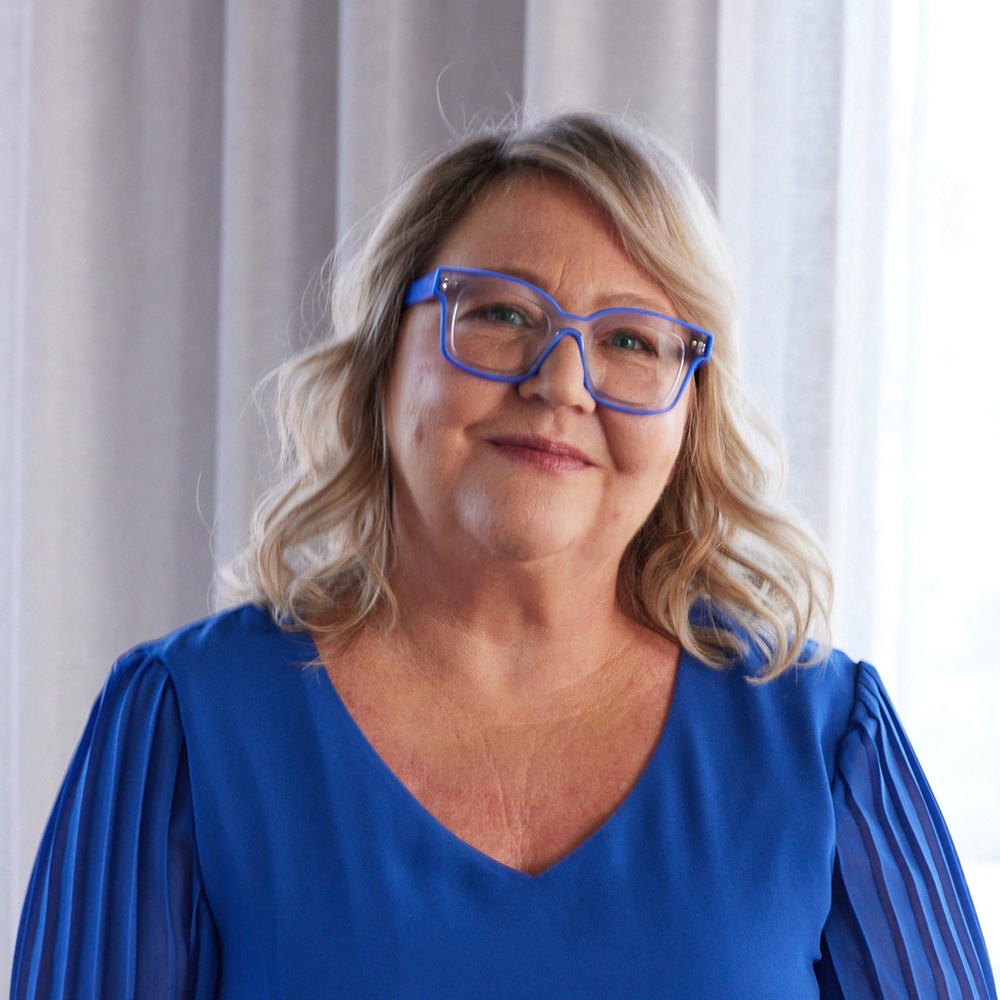
This year’s International Women’s Day theme is ‘Give to Gain’, which highlights the power of generosity, collaboration and shared progress. What does this theme mean to you in the context of your work in accessible tourism?
To me, ‘Give to Gain’ reflects the win–win of accessible tourism. When operators invest in accessibility, it improves travel for people with access needs and strengthens business through longer stays and higher occupancy.
More AccomNews: Welcome everyone, lose no one: The business case for inclusion training
The biggest gains come from collaboration. When accommodation and experience providers work together, accessibility becomes part of the whole journey, creating smoother trips, longer visits and more welcoming destinations for everyone.
You’ve spoken about travelling with your mum and the challenges of accommodation not meeting accessibility expectations. What improvements have you seen across the industry, and where are the biggest opportunities for change?
Since 2019, I’ve seen genuine momentum. More operators are lifting the standard and recognising that accessibility is part of great hospitality, and that is worth celebrating.
The biggest opportunity now is to think bigger and design for the future by exceeding the basics of accessibility. Accessibility supports not only people with disabilities, but also the growing number of older travellers who want comfort, ease and independence as they age. If a guest is 65 today, will your accommodation still help them travel confidently in five or ten years? That is where future-proofing change begins.
The ‘Give to Gain’ theme emphasises supporting others through knowledge and opportunity. What role has mentorship or community support played in your journey?
Mentorship and community support have been crucial in my journey, particularly as someone who is self-employed. Having people I trust to challenge my thinking, share perspectives and offer frank feedback has helped me grow faster, improve what I do and lead with greater confidence.
I have also learned that mentorship is a two-way exchange. When I mentor other women in tourism, generosity multiplies. You do not simply pass on knowledge. You strengthen the entire community and often gain just as much as you give.
What advice would you give to women looking to build a long-term career in the accommodation and tourism industry, particularly in areas focused on accessibility and inclusion?
Be brave and back yourself. A lasting career in tourism is built by people willing to try new approaches and keep learning.
Find what you are passionate about because it gives you staying power and motivates you to keep going when times are challenging. In accessibility and inclusion, your work can genuinely change how welcome people feel when they travel.
Relationships also matter. Showing up to industry events, building connections and being generous with your time helps create networks that open doors to supportive, long-term professional relationships.
Lisa McMullen
Living Reef Manager, Daydream Island
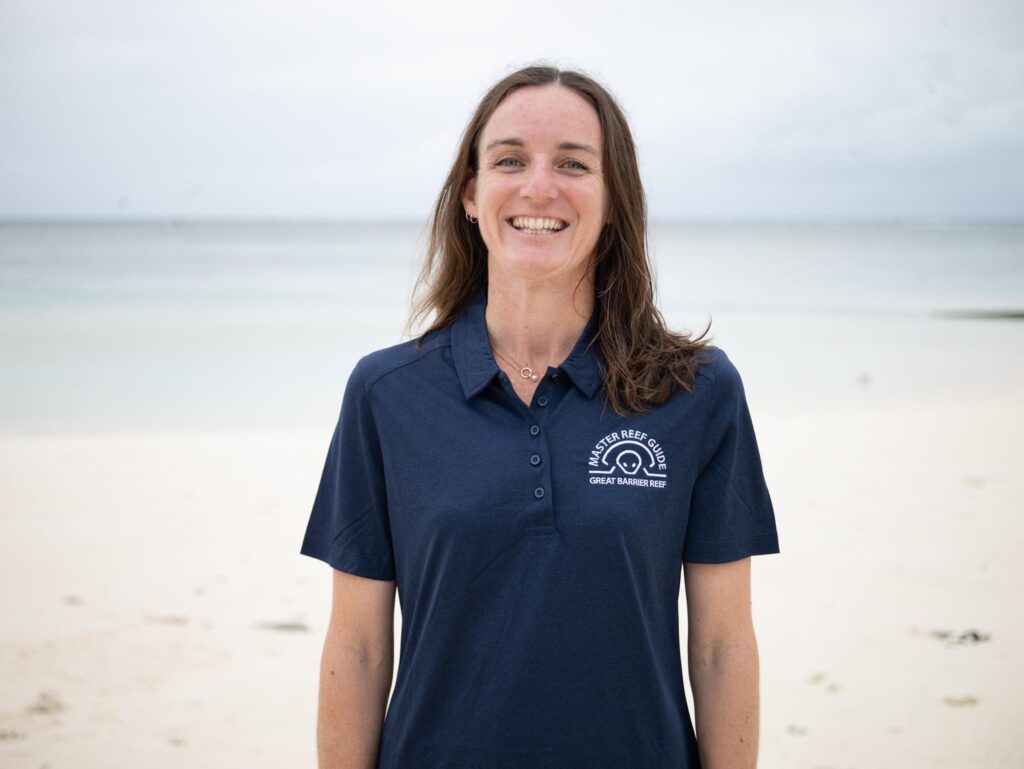
What does this year’s International Women’s Day theme, ‘Give to Gain’, mean to you in the context of your work?
This year’s International Women’s Day theme really resonates with the way we work in marine conservation on Daydream Island. My role focuses on identifying people who are passionate about the marine environment and giving them opportunities to develop skills across areas such as tour guiding, animal husbandry, research and conservation collaborations.
By investing time, knowledge and mentorship into our staff, we see them grow, step into leadership roles and contribute meaningfully to protecting the reef.
It is also inspiring to work in a space where women are increasingly leading the way. Collaborating with women from Reef Catchments, the Australian Institute of Marine Science and local tourism operators strengthens our projects and creates a thriving conservation community where everyone benefits.
You work in a field that has traditionally been male-dominated, though marine conservation in the Whitsundays is now increasingly female-led. How have you seen this shift take place, and what impact has it had on the industry?
It is important for women to be represented across all aspects of marine conservation so others can see that they also belong in this space. Science was historically male-led, but in the Whitsundays we are now seeing more women stepping into leadership roles.
Through projects such as Boats for Coral, run with Reef Catchments and the Australian Institute of Marine Science, many of the project teams are now predominantly female. Leaders such as Cass Hayward at Reef Catchments, Dr Deborah Foote at AIMS, and eco managers from tourism operators including Ocean Rafting, Red Cat Adventures, ZigZag Whitsundays and Iconic Whitsundays are all helping drive marine conservation in the region.
Inclusive environments tend to produce stronger outcomes. Diverse perspectives lead to new ideas and more effective problem-solving, which ultimately strengthens the conservation community.
What role has mentorship played in your career?
Mentorship has played a significant role throughout my career. When I first entered the marine industry as a deckhand and dive guide, I had mentors who gave their time generously and were willing to share their knowledge.
Later, when I moved into coral restoration work, I began learning from women leading projects in this field. In Grand Cayman, project lead Lois Hatcher introduced me to coral restoration and shared everything she could during her time on site.
Back in Australia, I worked closely with Amelia Keynes at Daydream Island, who demonstrated that caring for your team as a leader is a real strength. Those experiences shaped how I now lead and mentor others.
What advice would you give to women looking to build a long-term career in marine conservation or environmental science?
There are many pathways into marine conservation, and even smaller projects can open doors. Volunteering locally and speaking with project leaders can introduce you to new opportunities and networks within the industry.
Many project leaders are passionate about what they do and are happy to share their experiences. These conversations can lead to unexpected career pathways.
And most importantly, do not be afraid to get your hands dirty! Whether it is wading through mangroves or working around coral spawn, these experiences are often where the most valuable learning happens.