
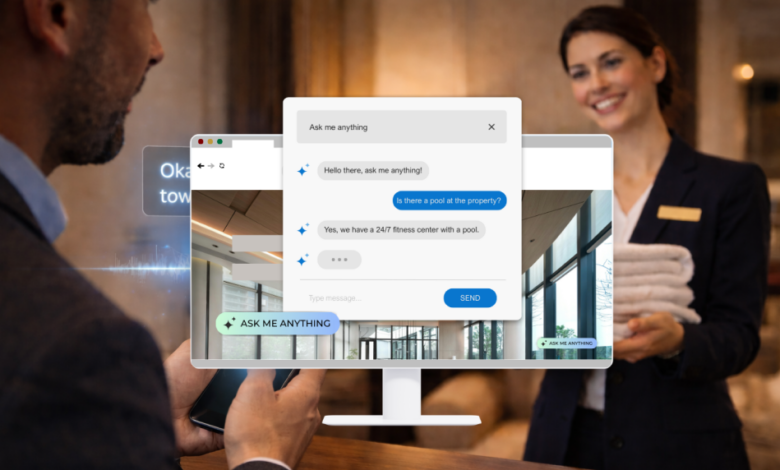
The end of missed calls and lost revenue: Streamlining operations with AI
Artificial intelligence is a practical tool to help accommodation providers plug revenue leaks and giving staff their time back

For hoteliers and moteliers, a ringing phone that goes unanswered is a direct hit to the bottom line.
It’s 6:00pm. The front desk is busy with check-ins. As a queue forms in the lobby, a high-value corporate lead calls to book five rooms. Because the team is occupied, the phone rings out, eventually hitting a generic voicemail. By 6:05pm, that lead is gone—already booked with the competitor down the street.
The Autumn edition of AccomNews is out now. Read it HERE
The gap between a query and a confirmed booking is now measured in seconds. With labour shortages persisting and OTA commissions eating into margins, artificial intelligence (AI) has become a practical tool for plugging these revenue leaks and giving staff their time back.
Understanding the technology
Before looking at how this works on-property, it helps to define what “artificial intelligence” actually does. In simple terms, AI is software capable of performing tasks that usually require human thought.
Unlike older systems that follow a rigid “if this, then that” script, modern AI uses machine learning. The system analyses massive amounts of data to recognise patterns and make decisions based on context. It learns from every interaction.
If a guest asks about parking in an unusual way, the AI identifies the intent behind the words rather than just searching for a specific keyword. This results in a system that becomes faster and more natural with every conversation.
What AI means for your property
Implementing this technology doesn’t mean replacing your team. It means providing them with a digital assistant to handle high-volume, repetitive tasks so they can focus on the guests standing in front of them.
- Round-the-clock responsiveness: AI doesn’t sleep or take shift breaks. Whether a guest reaches out at 2:00pm or 2:00am, they receive an immediate, accurate response.
- Consistency: AI stays on brand regardless of the situation. It won’t get stressed during a busy check-in period or forget to mention an available room upgrade.
- Efficiency: By automating answers to the most common 50 questions, your team is no longer a “broken record,” allowing them to handle high-touch service where it counts.
Related AccomNews story: Working smarter not harder: Software solutions that streamline and simplify
Capturing leads with AI voice
A busy signal is a lost opportunity. Industry data suggests up to 40 percent of hotel calls go unanswered during peak periods or shift changes. When a caller reaches voicemail, they rarely leave a message; they simply call the next listing on Google.
Modern AI voice systems act as a tireless extension of the front desk. These aren’t the frustrating “press one for reservations” menus of the past. Today’s AI is conversational. It can book rooms, modify stays, and answer specific questions about property policies or local attractions. By serving as the first line of defence, it ensures every call is answered, only transferring to a staff member when a complex situation requires a human.
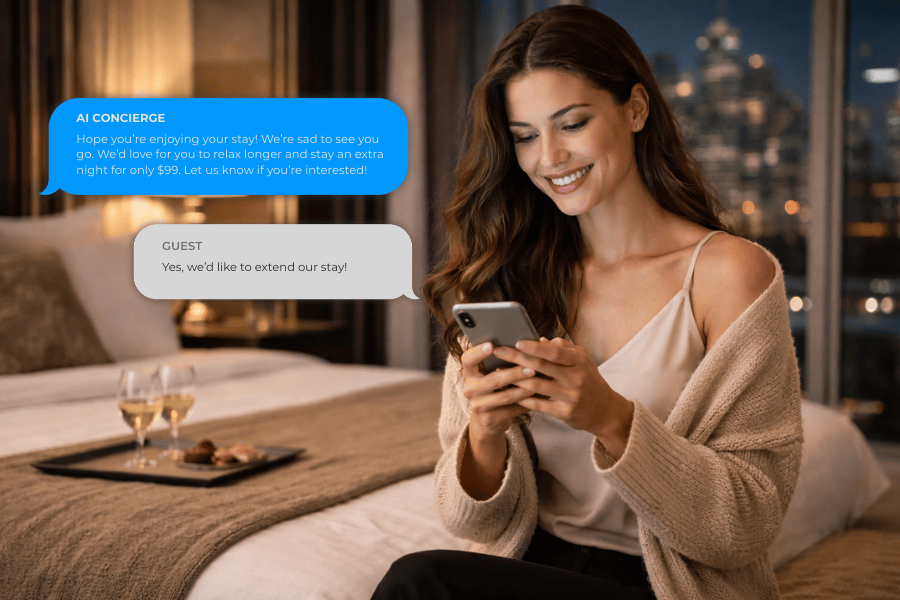
The digital concierge
Modern travellers rely on their smartphones and expect answers instantly. If a guest messages a property asking for a wifi password or breakfast hours and has to wait 30 minutes for a reply, the guest experience has already suffered.
AI guest messaging handles over 80 percent of routine inquiries in seconds.
- Language support: Current systems can communicate in over 100 languages. This makes international guests feel welcome without requiring a multilingual staff member on every shift.
- Revenue moments: AI identifies opportunities to increase spend. If a guest asks about the pool, the AI can suggest a poolside drink voucher or a late check-out fee, turning a standard query into an immediate sale.
Converting website traffic
Your website is your most profitable channel because it is commission-free. However, it only works if it converts browsers into bookers. Many travellers visit a property website to find a specific detail not listed on an OTA, such as exact parking dimensions or pet policies. If they can’t find that answer quickly, they leave.
AI webchat acts as a virtual guest services agent on your homepage. It provides instant answers rather than just links. By guiding visitors through the booking process and answering questions in real-time, it reduces “website abandonment” and drives more direct bookings.
Finding the balance: Pros and cons
Efficiency is vital, but hospitality remains a business built on human connection. Success requires the right mix of technology and personal service.
The benefits: AI takes over the repetitive tasks that lead to staff burnout. When your team isn’t answering “What time is check-in?” for the twentieth time that day, they are more engaged. AI also provides data, showing exactly what guests ask for most, which helps you make better decisions about amenities and staffing.
The risks: Over-automation can feel clinical. AI should support your team, not hide them. Moments like handling a guest complaint or celebrating a guest’s anniversary require empathy and creativity that only a human can provide. The goal is to use technology for the routine, so your staff are free to create the experiences that guests actually write reviews about.
Related AccomNews story: Connected stays: The new role of digital compendiums
Moving forward
You don’t need a massive budget to begin. Most properties see the fastest return by identifying their biggest “leak”—whether that’s missed phone calls, slow response times to guests’ SMS, or high OTA dependency.
As we move through 2026, the window for a competitive advantage is narrowing. The properties that thrive will be those that use AI to stay “always open,” ensuring no guest is left waiting, and no revenue is left on the table.
The Autumn edition of AccomNews is out now. Click below to explore