
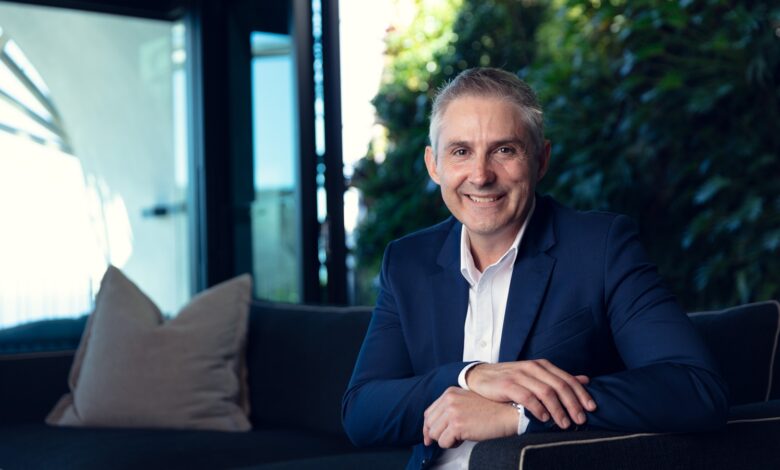
A long view on leadership, assets and people
Exclusive: Mandy Clarke interviews David Assef, CEO, Belmo Group, on leadership shaped by people, place and long-term thinking.

David Assef talks about hospitality with the measured clarity of someone who understands both the mechanics and the long view. He did not set out to build a career in the sector, but once he found it, the direction became clear.
“My career in hospitality began very organically,” he says. “I was drawn to the fact it sits at the intersection of people, property and performance.”
Early exposure to accommodation operations gave David a clear view of the realities behind the scenes. Long hours. Fast decisions. High expectations. And a direct link between leadership, culture and financial outcomes.
“That combination really resonated with me,” he says.
This interview was first published in the latest edition of Resort News. Read it HERE
Over time, he moved through a mix of operational and commercial roles, building a broad understanding of how accommodation assets perform across different markets and ownership structures. That experience continues to shape how he leads today, particularly when navigating the competing priorities that come with premium accommodation assets.
Finding the right fit
David’s move into the CEO role at Belmo Group was driven less by ambition and more by alignment.
When he joined the business, Managing Director Ben Orton, along with a senior leadership team including Kylie English and Kiefer Toland, had already laid strong foundations.
“What ultimately led me to Belmo was the opportunity to work alongside exceptional people,” he says. “Ben had established a business with a clear vision and a culture that strongly aligned with my values.”
David was particularly drawn to Belmo’s approach to management rights and accommodation assets as long-term investments, rather than short-term operational plays.
“Belmo’s growth has been driven by Ben’s vision, disciplined execution and a genuine respect for owners, guests and team members alike,” he says. “That strategic mindset is critical in this sector.”
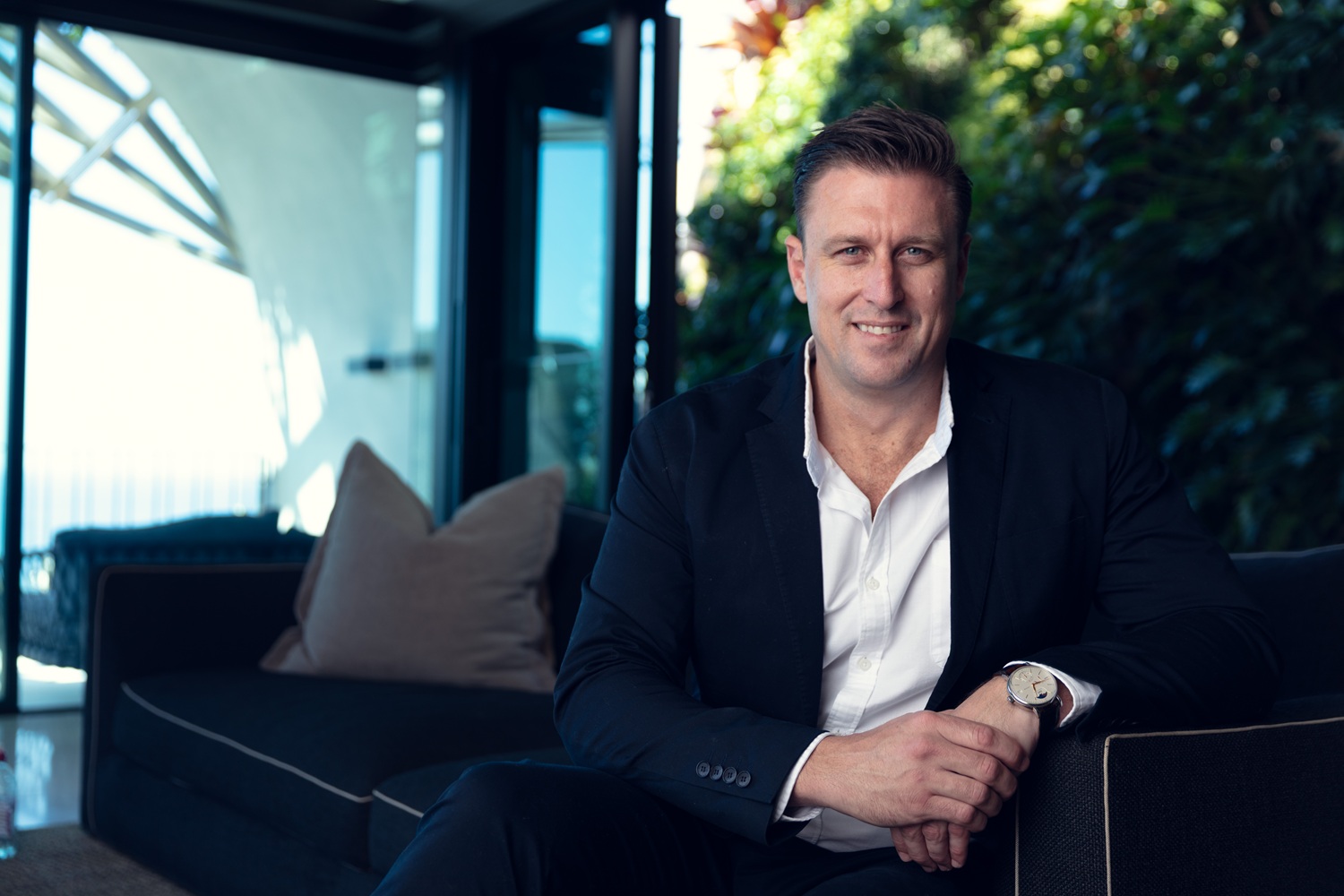
Long-term thinking, day to day
Ask David to describe Belmo Group’s approach and the answer is unmistakable. Long-term thinking. Sustainable performance. No shortcuts.
“We focus on sustainable performance rather than chasing short-term gains,” he says. “What sets us apart is our ability to operate across complex stakeholder environments while maintaining values and trust.”
Owners, bodies corporate, investors, guests and onsite teams all come with different priorities. Managing that mix requires structure, clarity and patience.
“We are highly data-driven, but equally people-centric,” he says. “We invest heavily in systems, governance and leadership capability, but never lose sight of the guest experience or the lived reality of our onsite teams.”
It is a balance he believes many operators talk about, but few achieve.
Decisions that shaped the business
As Belmo Group grew, one of the most important decisions was what not to pursue.
“We made a conscious choice from the outset to be selective about growth,” David says. “Quality assets, locations and partnerships mattered more than scale for scale’s sake.”
Another turning point was formalising leadership frameworks and operational standards as the portfolio expanded.
“That allowed us to maintain consistency without losing the individuality of each property,” he says.
Investing in people has been equally pivotal. Building a strong senior leadership team and empowering onsite managers has enabled Belmo to grow without diluting standards or culture.
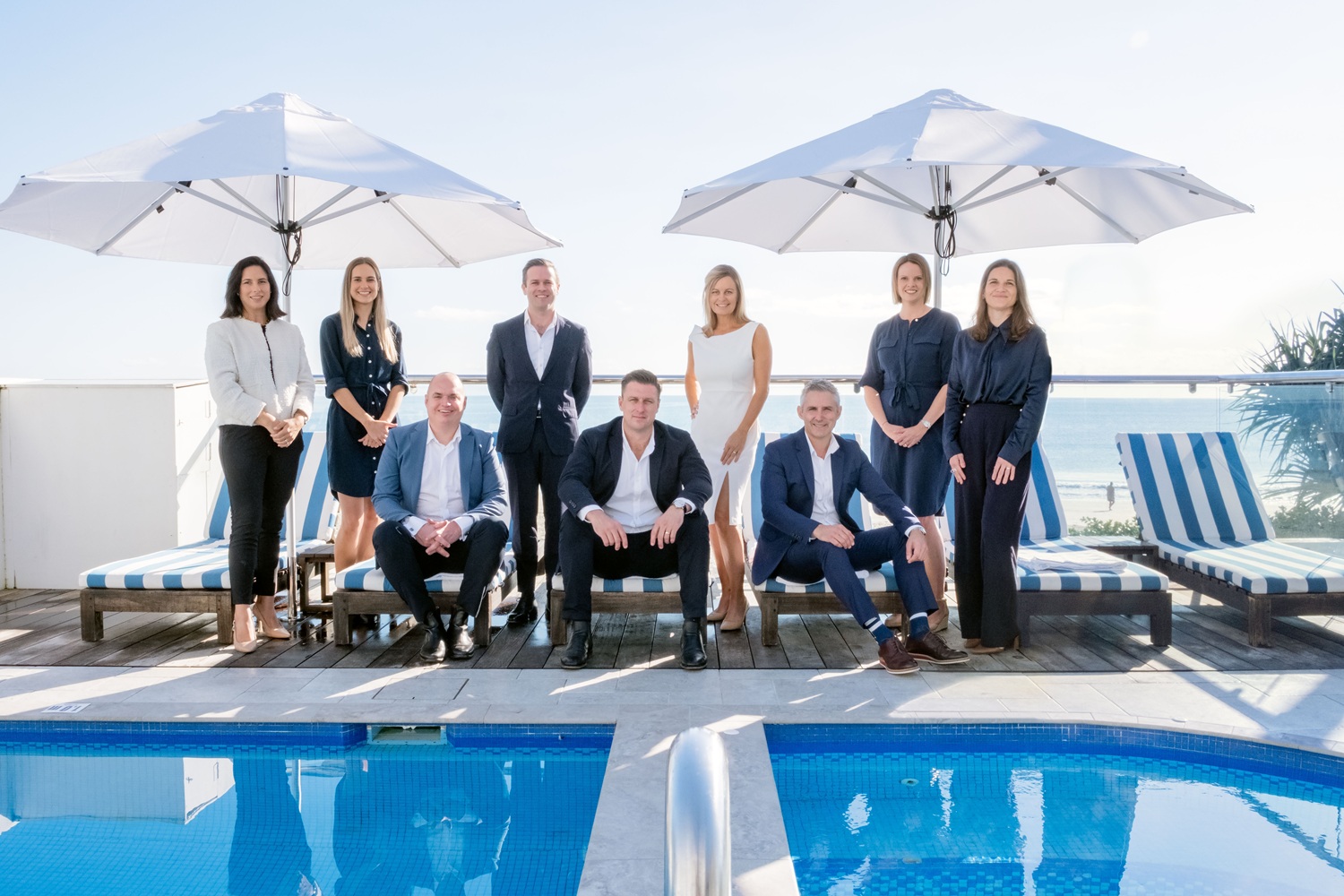
Leadership built on trust
Integrity, accountability and respect sit at the centre of David’s leadership style.
“In a business like ours, trust is currency,” he says. “People need confidence that decisions are being made transparently and in the best interests of the asset.”
Clarity plays a big role in that. Clear expectations. Clear communication. Clear ownership.
“As complexity increases, clarity becomes even more important,” he says.
That philosophy flows directly into operations and strategy. Operationally, the focus is on consistency, service standards and cost control without compromising quality. Strategically, opportunities are assessed through the lens of long-term value creation and resilience, not just immediate yield.
“It also means being prepared to have difficult conversations,” David says. “Avoiding them rarely leads to good outcomes.”
Interesting in buying a management rights business? View the latest listings on AccomProperties HERE
Why Noosa matters
Few markets illustrate Belmo Group’s thinking more clearly than Noosa.
“Noosa is a unique market,” he says. “Supply is tightly constrained, demand is consistently strong and the destination has enduring appeal across domestic and international markets.”
For Belmo, it represents the type of location where long-term asset management, thoughtful capital investment and strong stakeholder relationships can deliver meaningful value over time.
That thinking underpinned the recent renewal of Number One Hastings Street. The works focused primarily on essential external upgrades, including inclinator refurbishment, balcony tiling improvements, concrete remediation and external repainting. Given the location and complexity of the building, the project required careful staging, rope access solutions and constant coordination.
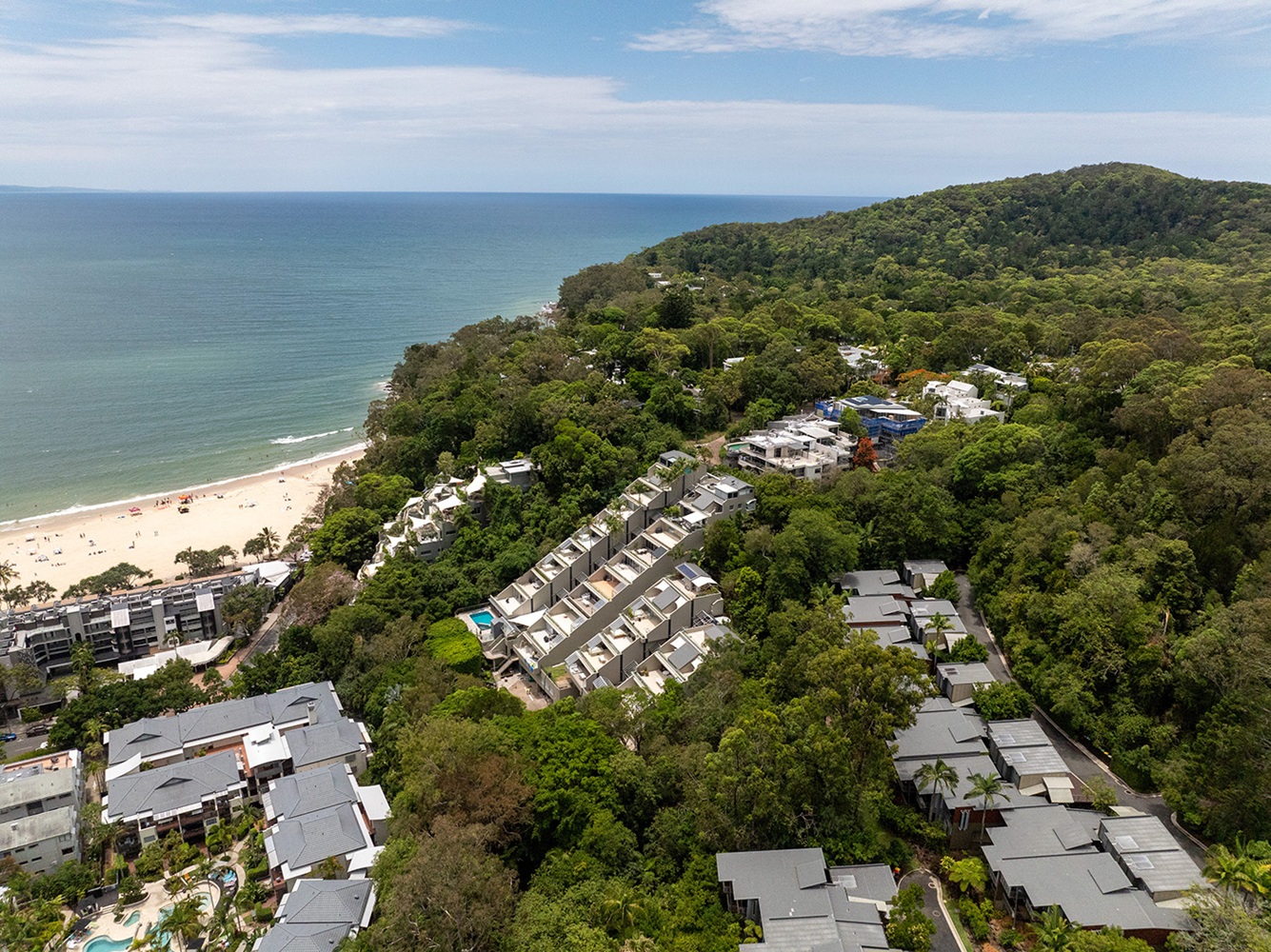
Importantly, the onsite manager remained actively involved throughout, conducting regular apartment inspections to ensure services and amenities continued to operate as expected.
Alongside the building works, Belmo strengthened the operational platform with expanded housekeeping storage, a new property management system, refreshed photography and broader distribution channels.
“The intention was to protect the building and position it strongly for the future,” David says.
Managing pressure at the top end
From an operational perspective, landmark properties bring opportunity and pressure in equal measure.
“They allow you to build brand equity, drive premium rates and attract repeat guests,” David says. “But expectations are high and tolerance for error is low.”
Hastings Street, in particular, brings challenges around access, congestion and scrutiny.
“Work requires exceptional planning, strong leadership on site and proactive communication,” he says.

Managing expectations across guests, residents and the wider precinct comes down to preparation, communication and respect. Belmo invests heavily in peak-period planning and works closely with local stakeholders to minimise disruption and manage expectations realistically.
Body corporate relationships are central to that approach. Belmo treats them as genuine partnerships, built on transparency, education and collaboration.
“The most common challenge is differing time horizons,” David says. “Owners may focus on short-term returns, while bodies corporate prioritise asset preservation. Our role is to bridge that gap with clear data, long-term modelling and practical solutions.”
That perspective also shapes how David thinks about leadership pathways in the sector. For those building a career in hospitality and management rights, his advice is grounded in experience. Spend time close to day-to-day operations, stay genuinely curious and take responsibility from the outset. The industry, he believes, tends to reward people who understand how things really work and who are prepared to think beyond short-term wins.
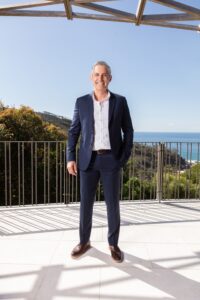
The same discipline carries through to how Belmo Group approaches growth. Rather than chasing scale, the focus remains on premium city, regional and coastal markets where supply is naturally constrained. In those environments, David sees professional, well-governed management as a key driver of long-term value, and it is that measured, strategic approach that continues to guide Belmo’s next phase.
Looking ahead
Over the next five years, success for Belmo Group looks like measured, profitable growth across premium and strategically located assets, alongside continued investment in people.
“We want to build a business that is resilient to market cycles,” David says. “One that can adapt to changing guest behaviour, regulatory environments and cost pressures.”
He expects the management rights sector to continue professionalising, particularly in premium coastal destinations, with greater scrutiny from investors and a stronger focus on governance and transparency.
The human side of leadership
Ask David what has influenced his leadership style most, and he points to experience rather than any single mentor.
“Observing leaders who lead with integrity and clarity under pressure has been my greatest teacher,” he says.
The most valuable advice he has received is simple.
“Respect your people,” he says. “Every role matters. Collective success is built on contribution, not authority.”
When he reflects on his journey so far, it is not the portfolio or the growth that stands out.
“I’m most proud of the team we’ve built and the trust we’ve earned,” he says. “Creating an organisation where people are aligned, engaged and committed to shaping meaningful moments into lasting memories is what matters most.”
The Summer edition of AccomNews is out now. Read it HERE