
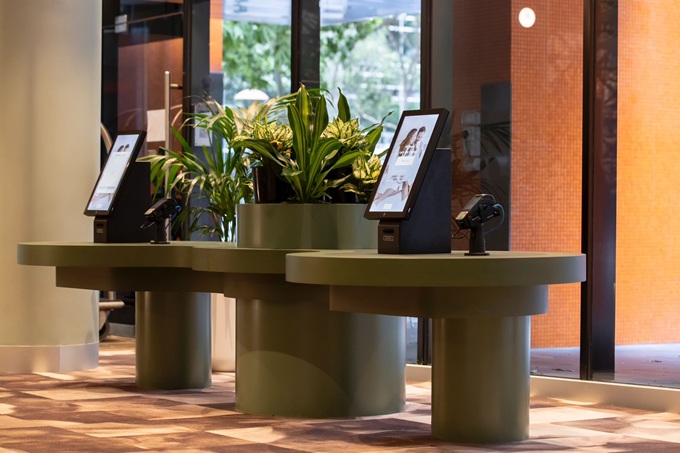
Meeting modern guest expectations at check-in
Self-service solutions provide faster, more flexible arrival processes, easing pressure on staff and keeping guests happy.

Automated and contactless technology is playing an increasingly central role in the hotel arrival experience, particularly for properties managing late-night check-ins, limited front desk coverage or 24/7 operations.
As guest expectations evolve and operational models diversify, accommodation providers are integrating self-service solutions to deliver faster and more flexible arrival processes, while maintaining consistency across different property types and operating models.
The latest print edition of AccomNews is out now. Read it HERE
The scale of this change is reflected in market growth. The global self-service kiosk sector is forecast to expand by approximately AUD $25 billion between 2022 and 2028, underlining the pace at which these technologies are being adopted across the sector.
Guest data reinforces this momentum. Research published by Oracle Hospitality found that around 73 percent of travellers would prefer to stay at a hotel offering self-service technology, particularly when it helps simplify the arrival process. A survey conducted by PlayUSA found that 84 percent of travellers value self-service kiosks for their convenience and efficiency, while 71 percent believe kiosks save time during transactions. Notably, 60 percent of respondents said they preferred self-service options because they reduce the need for social interaction.
However, the research also points to a more nuanced picture. While many travellers welcome automation, a smaller but still significant proportion expressed hesitation about fully automated interactions, highlighting the continued importance of access to staff when needed.
Taken together, the data suggests that automated arrival technology is most effective when it offers guests greater choice. Travellers want the option to navigate check-in quickly and independently, while retaining the reassurance of human support when required.
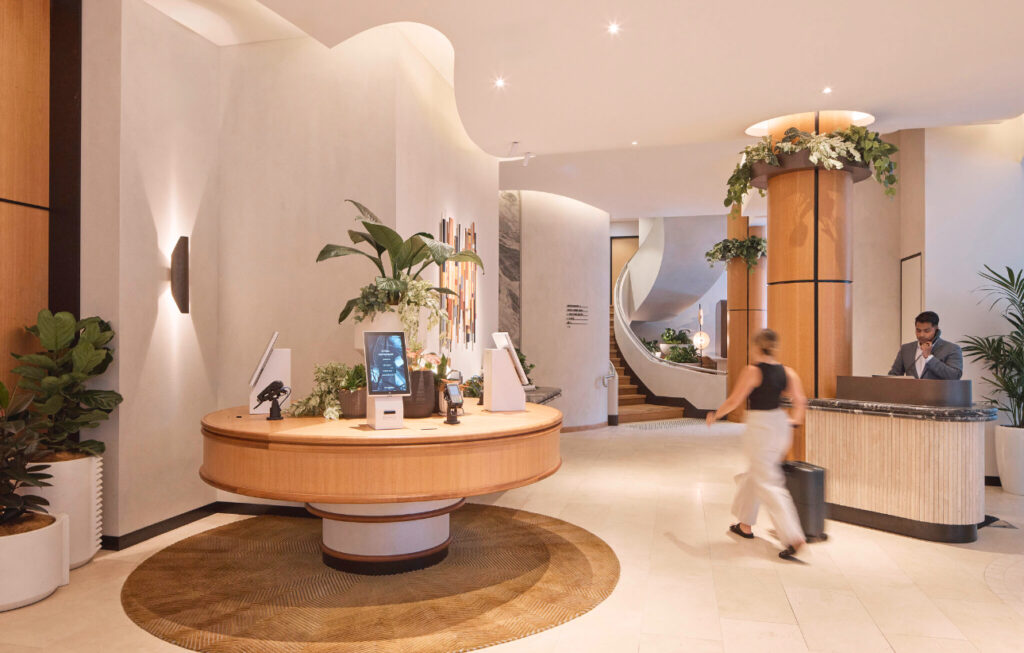
Related AccomNews story: Happy guests: The convenience of seamless check-in
Reimagining the arrival experience
Self-service kiosks have become a cornerstone of modern arrival strategies. Available in wall-mounted, counter-based or free-standing formats, kiosks allow guests to check in and out at any time without reliance on front desk availability.
For guests, kiosks provide greater control over the arrival experience, making them particularly appealing for late arrivals or frequent travellers. For operators, they reduce queues, ease pressure on reception teams and help ensure arrivals remain smooth during peak periods or overnight hours.
As self check-in becomes more commonplace, design and usability are playing an increasingly important role in guest satisfaction. Intuitive design, the availability of multiple language options and clear prompts help ensure technology supports the arrival experience rather than disrupts it.
Visual integration is equally important. Hotels are favouring sleek, discreet kiosk designs that align with their interiors and brand identity, reinforcing a sense of quality and professionalism.
Related AccomNews story: Unlocking advancements in door lock technology
Automation behind the scenes
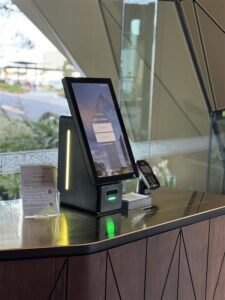
After-hours check-ins remain one of the strongest use cases for automated arrival technology. Contactless systems allow guests to arrive at any time, complete verification independently and access their room without delay. For properties where overnight reception is not practical, automation ensures continuity of service without additional staffing costs.
Behind the scenes, seamless arrivals depend on robust integration between kiosks, access systems, payment processing and property management software, enabling real-time coordination across multiple operational touchpoints.
While many travellers value speed and independence, technology is most effective when it supports, rather than replaces, human service. By removing friction from repetitive tasks, self-service kiosks allow staff to focus on engagement and more personalised guest interactions.
For accommodation providers, the opportunity lies in this balance. By combining well-designed, contactless technology with thoughtful service delivery, hotels can offer arrivals that are efficient, secure and genuinely welcoming, meeting modern expectations while preserving the essence of true hospitality.
While technology is reshaping arrivals across the sector, its impact is best understood in practice. Rydges Melbourne and Little National Hotel Sydney and share how automated and contactless arrival solutions are working on the ground, and what the shift has meant for both guests and operations.
Rydges Melbourne: Lee Davey, State General Manager | Victoria & Tasmania, Hotels & Resorts; General Manager
At Rydges Melbourne, the introduction of self-service kiosks has elevated the arrival experience while supporting the way our team works day to day. Guests appreciate the speed and ease of check-in, particularly during busy periods, and our team gains more time to focus on genuine, personalised service. The result is a smoother, more flexible arrival that reflects our modern approach, focused on delivering a great guest experience.
Little National Hotel Sydney: Sandra Bellamy, General Manager
Little National Hotel Sydney (LNS), which opened in 2020, is an upscale contemporary property delivering affordable style. LNS was the first property to seamlessly operate with a high-tech influence, allowing guests the choice to interact with guest services or use technology throughout their stay.
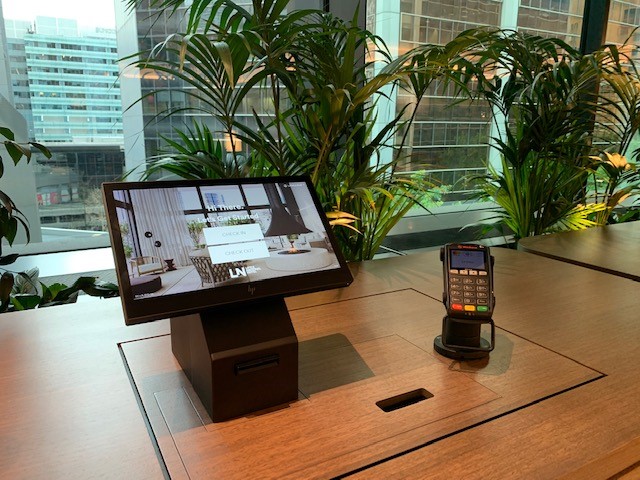
Our journey began in Canberra with the introduction of kiosks for the Little National brand within the DOMA Group. We wanted to create an easy check-in experience for guests, similar to that of airports. We prefer to give guests choice: they can opt for a technology-led experience or personalised service for arrival and departure. Guests have embraced the tech experience and regularly choose to use the kiosks. It is fast, efficient and, for returning guests, a breeze.
Having the kiosks takes pressure off staff and allows them to act as ambassadors, engaging with guests on the floor rather than from behind the desk.
Working with Assa Abloy has been a journey to bring the kiosks to where they are today. The tech team has been professional to work with and understands both the technical perspective, presentation, and ease of use we were aiming for in the guest experience. Ongoing, we continue to work with Assa Abloy to upgrade and enhance the kiosks, and to develop new ways to improve pre-arrival processes and guest interactions.
This article first appeared in the Summer edition of AccomNews. Click below to explore.