
The most common and costly cleaning blind spots in hotels, serviced apartments and short-stay accommodation
Op-ed: SKG Service's Group CEO reveals the hidden cleaning areas that could be damaging your accommodation's brand reputation

By Prabin Shrestha
In accommodation, cleanliness is no longer just a housekeeping issue – it is a business-critical factor that directly impacts guest satisfaction, online reviews, staff retention, operational costs and brand reputation.
Whether it’s a boutique hotel, a luxury serviced apartment or a short-stay rental, guests expect immaculate standards from the moment they walk through the door.
Read the latest edition of AccomNews HERE
Yet many operators still overlook hidden cleaning blind spots that quietly eat into profitability and lower guest confidence over time.
The challenge is not usually a lack of effort – most accommodation providers already invest heavily in housekeeping teams, cleaning products and turnaround processes.
The real issue is often that many cleaning problems develop in places operators stop noticing because they’ve become part of the everyday environment.
These overlooked areas can become surprisingly expensive – leading to negative reviews, repeat maintenance callouts, shortened asset lifespan, pest issues, odour complaints, lost bookings and even health and safety risks.
Here are some of the most common – and costly – cleaning blind spots accommodation operators should pay closer attention to.

1. Soft furnishings that look clean but aren’t
Carpets, lounges, upholstered chairs, curtains and decorative cushions are among the biggest hidden hygiene risks in accommodation settings.
Because these surfaces are not part of the daily wipe-down routine, contaminants build up gradually and become less noticeable to staff who see the rooms every day.
Dust, allergens, body oils, food residue and odours accumulate long before visible staining appears.
While guests may not consciously identify the source, they certainly notice the result: rooms that feel stale, heavy or “not quite fresh.”
In serviced apartments and short-stay accommodation, where guests often cook, eat and spend extended time indoors, fabric furnishings absorb significantly more odour and residue than standard hotel rooms.
The financial impact can be substantial. Premature carpet replacement, upholstery damage and poor guest reviews often stem from deferred deep-cleaning schedules rather than actual wear and tear.
A proactive deep-cleaning program for soft furnishings not only improves guest perception but also helps furniture last longer.
2. Air vents, filters, and HVAC systems
One of the most neglected cleaning areas across accommodation properties is the HVAC system.
Air-conditioning vents and filters quietly collect dust, mould spores and airborne contaminants over time. In humid environments or heavily occupied rooms, this buildup accelerates rapidly.
Dirty vents can create musty odours, worsen indoor air quality and circulate allergens throughout guest rooms.
Guests increasingly associate air quality with cleanliness, even if they cannot visibly identify the issue.
The operational cost is also significant. Poorly maintained HVAC systems work harder, consume more energy and require more frequent repairs.
Regular cleaning of vents, filters and accessible ducting is often treated as a maintenance issue rather than a cleaning priority, which is exactly why it becomes overlooked.
For accommodation operators, integrating HVAC hygiene into routine cleaning audits can dramatically improve both guest comfort and operational efficiency.
3. Bathroom grout, silicone and hidden moisture areas
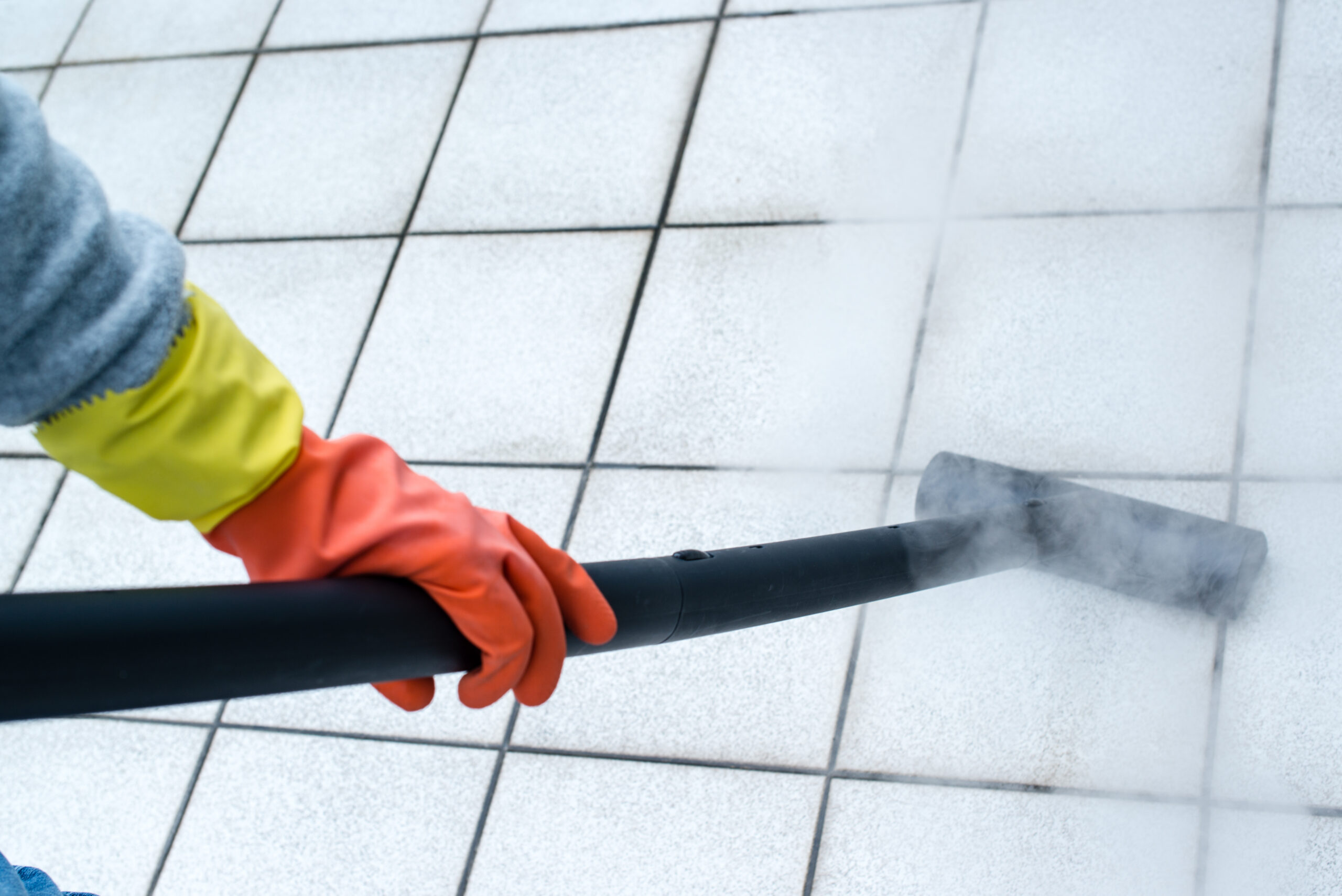
Bathrooms receive daily cleaning attention, but many properties still miss the slow deterioration happening in grout lines, silicone seals and hidden moisture zones.
These areas can develop mould and bacterial growth even in rooms that appear visually clean.
Guests notice blackened grout, stained corners or musty smells immediately because bathrooms strongly influence perceptions of overall hygiene.
In short-stay accommodation especially, rapid turnovers can encourage surface-level cleaning focused on speed rather than long-term maintenance prevention.
What begins as minor cosmetic discolouration often escalates into expensive remediation work, water damage or full bathroom refurbishments.
The most effective operators are shifting from reactive cleaning to preventative moisture management – identifying problem areas early before deterioration becomes visible to guests.
4. High-touch surfaces beyond the obvious
Most housekeeping teams now disinfect obvious touchpoints such as door handles, bathroom fixtures and benchtops. However, many high-contact surfaces still fall outside routine checklists. Common examples include:
- TV remotes
- Hairdryers
- Light switches beside beds
- Kettle handles
- Air-conditioning remotes
- Wardrobe handles
- Curtain wands
- Iron handles
- USB charging ports
- Elevator buttons and luggage carts
Guests interact with these surfaces repeatedly, and missed sanitisation can quickly undermine trust in overall cleanliness standards.
This issue became particularly important after the pandemic, but guest expectations around visible hygiene have remained permanently elevated.
Properties that implement detailed high-touch cleaning protocols often see stronger guest confidence and better online review sentiment.

5. Kitchen and appliance build-up in serviced apartments
Serviced apartments and extended-stay accommodation face unique cleaning challenges because guests actively cook in the space.
Rangehood filters, microwave interiors, dishwasher seals, fridge seals and under-appliance areas often accumulate grease and food residue that standard room servicing misses.
The problem compounds over time because each stay contributes incremental buildup that becomes harder and more expensive to remove later.
Grease accumulation is not just a cleanliness issue – it can become a fire hazard and significantly shorten appliance lifespan.
Many operators underestimate how quickly kitchen hygiene issues influence reviews. Guests may tolerate small cosmetic imperfections in bedrooms, but kitchen cleanliness strongly affects perceptions of professionalism and care.
Deep kitchen detailing between longer stays and scheduled appliance maintenance cleaning can prevent major remediation costs later.
6. Cleaning equipment that spreads contamination
One of the most overlooked blind spots is not the property itself, but the cleaning equipment being used.
Dirty mop heads, poorly maintained vacuums, reused cloths and contaminated cleaning trolleys can spread bacteria and odours from room to room.
Cross-contamination risks increase dramatically during high occupancy periods when housekeeping teams are under pressure to turn rooms around quickly.
Without clear colour-coded systems, laundering protocols and equipment maintenance schedules, even experienced teams can unintentionally compromise hygiene standards.
Investing in staff training and equipment management is often more cost-effective than increasing cleaning frequency alone.
7. Exterior entry points and first impressions
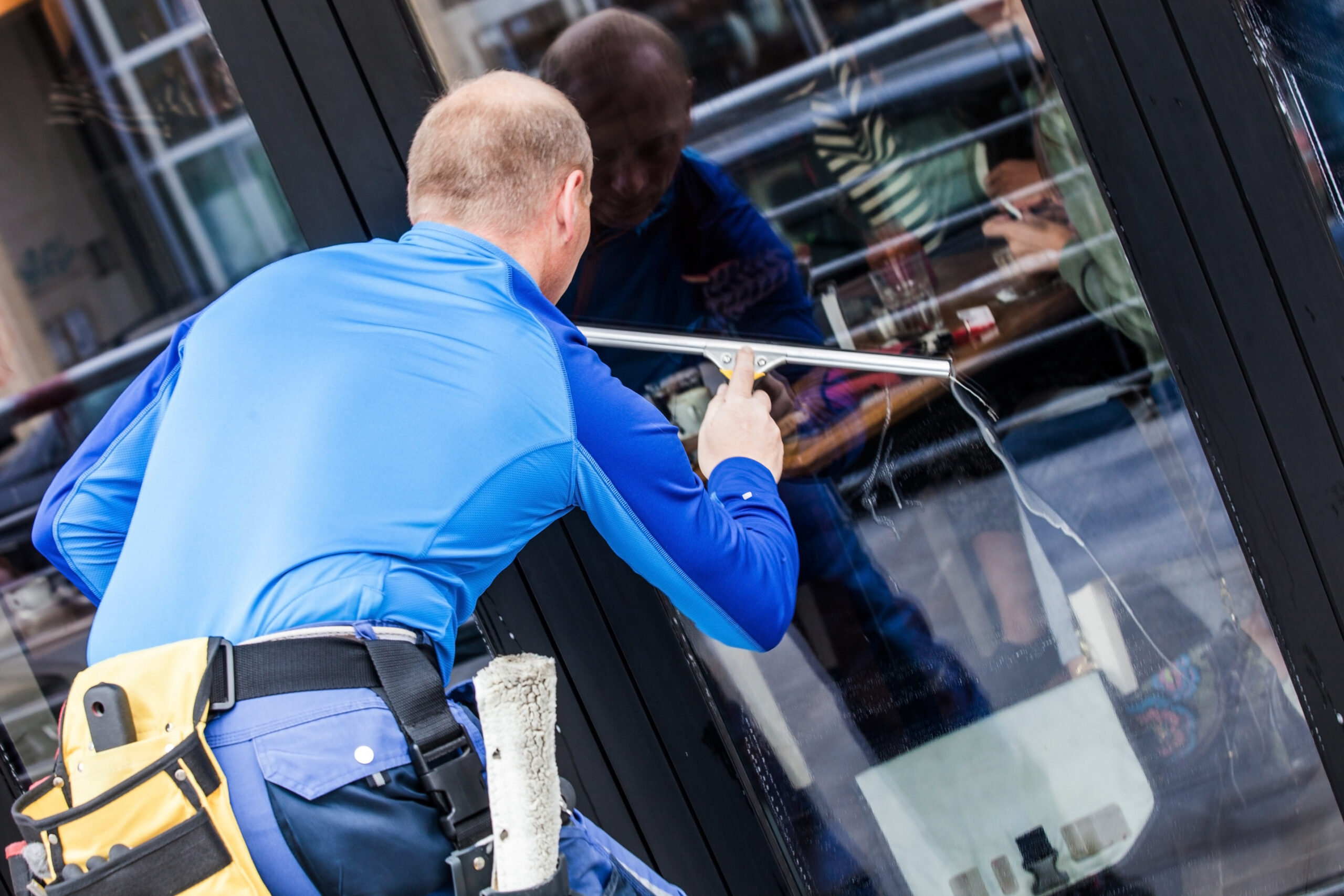
Guest impressions begin well before check-in. Entry glass, pathways, lift lobbies, bin storage areas, external signage and parking zones are frequently excluded from core housekeeping responsibilities because they sit between cleaning, maintenance and facilities management.
Yet these areas heavily influence perceived cleanliness standards.
A spotless room cannot fully compensate for overflowing bins, dusty entryways or stained carpets in common areas.
Guests often form lasting impressions within the first few minutes of arrival. Properties that maintain consistently clean transitional spaces create stronger guest confidence before the room is even seen.
The real cost of overlooking cleaning blind spots
The true cost of cleaning blind spots is rarely immediate.
Instead, it appears gradually through declining guest satisfaction, lower review scores, higher maintenance expenses and reduced repeat bookings.
In today’s accommodation market, cleanliness is directly tied to commercial performance. Guests are more review-driven than ever, and even minor hygiene concerns can quickly become public feedback.
Importantly, the standard guests compare accommodation against is no longer other hotels alone – it is the cleanliness standard they expect from premium retail, healthcare and modern workplaces as well.
The operators achieving the strongest long-term results are those treating cleaning not as a reactive operational function, but as a proactive asset protection and upkeep, and guest experience strategy.
The future of accommodation cleaning is moving beyond visual presentation toward holistic guest experience.
That means focusing not only on what guests can see, but also what they can smell, feel and subconsciously notice.
Properties that adopt preventative deep-cleaning schedules, detailed quality audits and broader hygiene strategies are better positioned to protect their reputation and reduce long-term operational costs.
In a highly competitive market where one negative review can influence dozens of future bookings, the smallest cleaning details are often the ones that matter most.
Author: Prabin Shrestha – Group CEO of SKG Services

Prabin Shrestha is Group CEO of SKG Services, a national commercial cleaning, maintenance and security services company with a 50-year history. Mr Shrestha has spent decades in the commercial cleaning industry, working his way from on-the-ground cleaner to COO of a national provider over the last 30 years.