
Exclusive: Reinvigorate iconic hotel brands or create new? That is the question.
Hilton has just announced a reinvigoration of its 106-year-old brand as many of Australia’s timeless hotels are reinvented. JLL’s Ross Beardsell examines whether the industry is at a branding ‘crossroads’.

When I was making my way through hotel management in the 1990s through to the 2000s, brands were king. The strength of global brands such as Hilton, Sheraton, Hyatt and Holiday Inn was largely the same regardless of whether you were staying in Baltimore, Birmingham, Brussels, Beijing or Brisbane. Deviation from the handbook was discouraged, despite massive local cultural differences.
Homogeneity was non-negotiable, and other global brands followed suit, including Marriott, Westin and Novotel.
Read the latest AccomNews print edition HERE
In the past 20 years, however, the hotel scene has undergone dramatic changes, with core brands diversifying and introducing sub-brands. Meanwhile, major global operators have introduced a plethora of new niche and lifestyle brands to counter the growth of boutique operators and cater to the increasing demand for more personalised travel experiences.
The one-size-fits-all model is redundant for brands today. Segmentation of brands became very popular in Australia from the 1990s, when Accor introduced three levels of Mercure, and subsequently, Ibis was divided into three levels globally.
From a core of four brands in the 1980s, Accor now operates over 45 brands, encompassing hotels ranging from luxury to economy, including extended-stay, all-inclusive resorts, and lifestyle brands such as those from Ennismore.
Read another AccomNews Exclusive HERE
Interestingly, none of the individual brands carry the Accor name, in contrast to Hilton – which celebrates 50 years in Australia this year – which has taken the deliberate policy of aligning its Hilton branding with the majority of the 22 individual hotel brands it operates, such as DoubleTree by Hilton, Hilton Garden Inn, Hampton by Hilton, and Embassy Suites by Hilton.
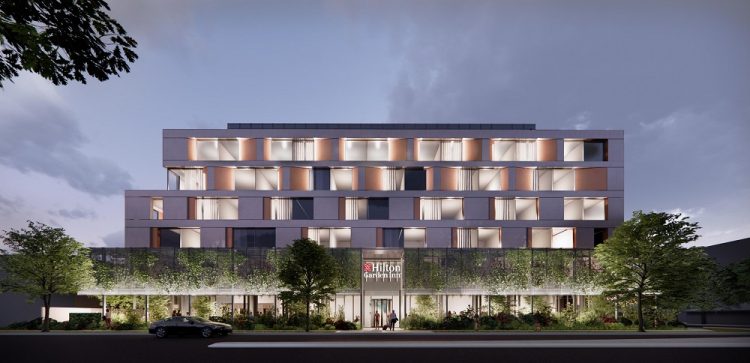
The commitment to the legacy Hilton name was further emphasised earlier this month when Hilton’s Global branding leader, Leonard Gooz, outlined plans to reinvigorate the flagship brand, 106 years after its inception.
For those travellers who thought they could rely on a Hilton experience being much the same wherever they lay their head might be dismayed that the standard bedside alarm clocks are now to become optional (to avoid disruptive digital screens) and that lobbies would become less like a transit zone and more like a home away from home, where they can sit and do their work, meet up with friends and colleagues or just ‘chill out’ in a lounge environment.
To some extent, the transformation of Hilton Sydney from an austere business hotel of the 1970s to a buzzy, energetic hotel, popular with both leisure travellers and corporates, predated this new initiative by Hilton.
The changing demographics of travel undoubtedly encouraged the diversification of brands by the global hotel groups, but Hilton still recognises the value of investing in re-energising the core brand and identity.
Much of the transformation of these iconic hotel brands is down to the dramatic change in business travel, until a decade ago, the lifeblood of most CBD hotels.
When Hilton, Regent, and Sheraton operated in the 1980s, they primarily targeted business travel and conferences, Monday through Friday. That market has now changed totally with WFH, the digital revolution and tightened travel budgets, which has reduced the proportion of business travellers that hotels can bank on.
Like the Hilton Sydney, another landmark hotel of the Sydney hotel scene, Sofitel Wentworth Sydney, has transformed itself from a business hotel to a more leisure-focused venue.
Originally opened as the Wentworth in December 1966, then operated as a Sheraton until Sofitel re-energised the hotel in 2005, and an even more comprehensive reimagining of the hotel was completed earlier this year.
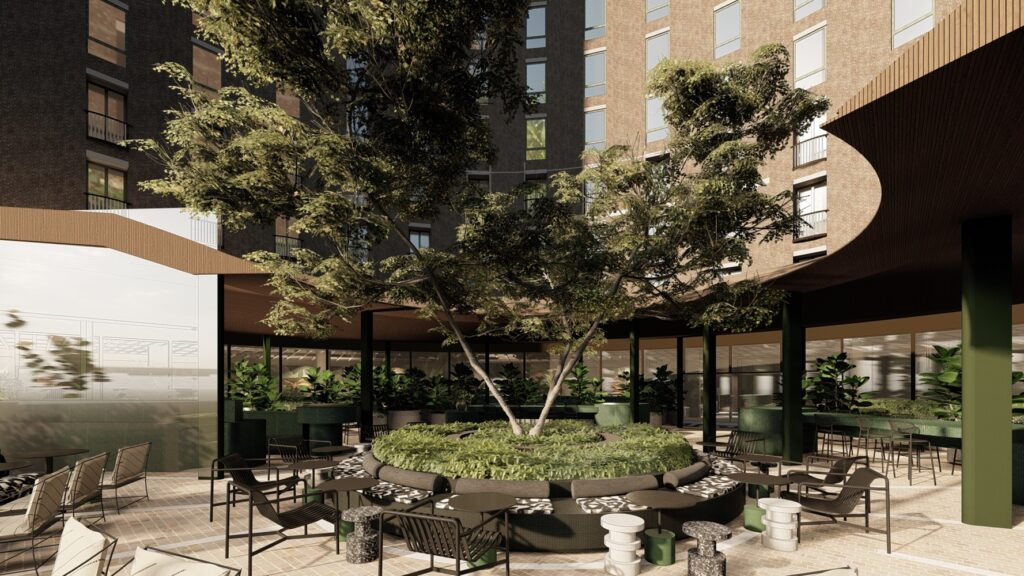
While the hotel’s heritage limited what could be done with the rooms, the focus was on the hotel’s public areas, with a radical reinvention of the lobby area and food and beverage offerings, which were outsourced to Housemade Hospitality.
There will continue to be new independent hotels and niche brands, but with many global brands boasting over 50 years of strength in the marketplace, the move by Hilton to reinvigorate their core brand is a sign that brands are evolving, blending community, wellness, technology and sustainability to appeal to a new generation of travellers.