
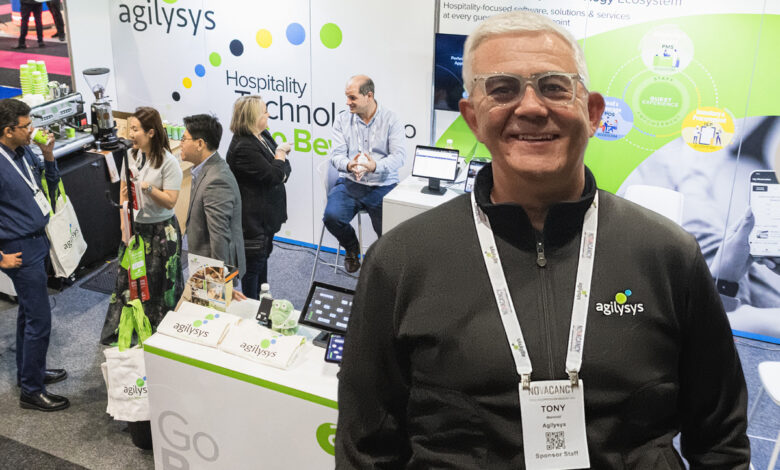
Tony Marshall on how smart tech + smarter thinking can transform guest spend
Exclusive: The VP & Managing Director of Agilysys, Asia Pacific "Meets the Editor" to talk about technology, revenue and why education is the missing link.

On the floor at NoVacancy 2025, I sat down with Tony Marshall, VP & Managing Director of Agilysys Asia Pacific, to discuss the shift from RevPAR to RevPAG, the rise of predictive hospitality and why educating hoteliers is key to unlocking technology’s full potential.
Mandy: Tony, last year you urged APAC hoteliers to look beyond RevPAR and embrace Revenue Per Available Guest (RevPAG). How far have we come since then?
Tony: The progress is encouraging but still uneven. Our research shows 82 percent of hospitality professionals now understand the importance of shifting from a room-night focus to RevPAG, yet 56 percent say they lack the integrated infrastructure to make it work.
The hotels moving ahead have one thing in common. They no longer see personalisation as a nice extra. They treat it as a revenue strategy.
These operators have connected their systems, know their guests before arrival and use that data to shape every offer during the stay. When you do that, guests can spend up to 30 percent more because the experience feels personal and effortless.
Read: Powering Profit with Personalisation in AccomNews HERE
Overcoming barriers: Education is key
Mandy: So what is still holding the rest back? Is it about budget, old systems or something else?
Tony: Education is the biggest hurdle. Every hotelier wants extra revenue, but many do not realise how technology can deliver it. Once we get a demo in front of a client, nine times out of ten we win them over because they finally see what an integrated ecosystem can do.
Budget and legacy systems play a role, but mindset is huge. Hoteliers have been trained to obsess over occupancy and RevPAR. If we can incentivise them to think differently, to focus on the total guest spend, it changes everything.
A savvy operator can collect guest information before arrival, know who is coming, and tailor the experience from the very first touchpoint. You can build an itinerary, market offers in advance and then use that data to personalise the next stay. It all starts with asking the right questions and having systems that connect the dots.
Tech shaping the next 18 months
Mandy: Beyond personalisation, what technologies will have the most impact on guest experience and profitability in the next 18 months?
Tony: Three stand out.
First, predictive analytics will move us from reactive to proactive hospitality. Instead of simply knowing a guest likes a late checkout, systems will predict their likelihood to book spa services based on travel patterns, weather and past behaviour. We are seeing hotels unlock about 10 percent more revenue from existing guests using this kind of modelling.
Second, unified guest profiles will finally end fragmentation. When a guest’s restaurant wine (or alcohol-free) preference informs minibar stocking and concierge recommendations, that is true seamless personalisation.
Third, intelligent automation will tackle staffing pressures. Smart check-in systems and AI-driven scheduling can handle routine work so your team can spend time where it matters most—with guests.
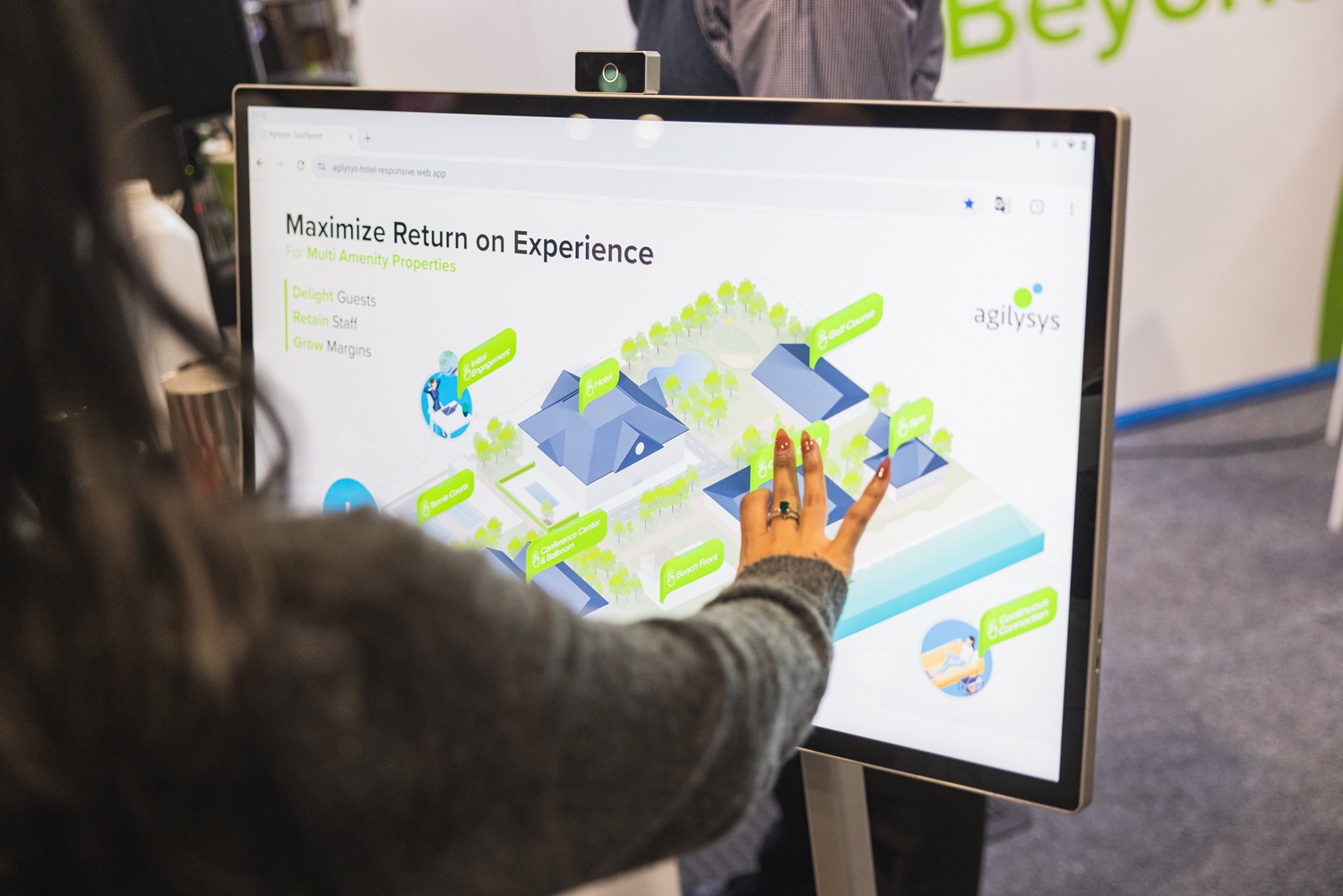
The new superpower?
Mandy: Last year you described AI as giving staff “superpowers.” Can you share real-world examples where automation and human connection work hand in hand?
Tony: Absolutely. AI should never replace hospitality; it should enhance it. Take spa bookings and revenue management. Our AI tools quietly fill gaps in the schedule without anyone noticing, increasing profit without disrupting service.
Another example is front desk support. Picture a guest arriving after a delayed flight. The system instantly highlights their preferred room, notes that they usually order salmon and flags an upcoming anniversary. The staff member seems to have a sixth sense, but really it is AI feeding them the insight.
Chatbots are another win. They handle routine questions and bookings around the clock, so when a guest needs help planning a proposal or resolving travel disruptions, a human can step in with empathy and creativity. AI clears the clutter so staff can focus on what matters most: memorable, high-value interactions.
The new skill set for hospitality teams
Mandy: Guest expectations are evolving fast. What new skills will hospitality teams need to meet them?
Tony: Guests now expect hotels to know them without having to ask. Our research shows 73 percent of APAC travellers are more likely to rebook when a stay is tailored to their preferences.
Hospitality staff need to become more than service providers. They will be part concierge, part data analyst and part experience curator. Teams need to interpret guest analytics, see patterns and act on them. The new mindset is less “what can I get you?” and more “based on your interests, here is what I recommend.”
Finding new revenue streams
Mandy: Where do you see the strongest growth opportunities for non-room revenue over the next two years?
Tony: Experiential packages that bundle rooms with curated local adventures or cultural experiences are currently performing well. Guests are willing to pay a premium when the hotel acts as a gateway to discovery.
Predictive upselling, powered by AI and guest data, is the next big accelerator. For instance, if your system knows a Sunday night business traveller is highly likely to book a spa treatment, you can target the right offer at the right time and drive real revenue.
Lifestyle integration is a whole new frontier. Think memberships, remote work packages and services that extend the hotel relationship beyond the stay. We have just signed a regional property with a strong events and activities program, and our ecosystem works perfectly for them because it can be tailored, not off the shelf.
Agilysys momentum in ANZ
Mandy: What has excited you most since we last spoke?
Tony: The momentum here in Australia and New Zealand. We have signed some major deals and New Zealand is really taking off for us. Seeing five years of hard work on our technology payoff is incredibly rewarding and makes me very proud.
Being the new kid on the block was tough, but brand recognition has grown. Our PMS has really taken off here, which proves we can compete at the highest level. We constantly evolve our products. For example, with clients like Hamilton Island we sit down regularly to ask what we can do next. That collaboration drives our innovation.
One priority before 2026?
Mandy: Looking ahead, if you could give APAC hotel leaders one clear priority before 2026, what would it be?
Tony: Unify your technology ecosystem. Without connected data you cannot personalise effectively, predict guest needs or optimise revenue across the entire journey. The hotels that will lead in 2026 are investing now in platforms that integrate PMS, POS, guest engagement and analytics. Everything from RevPAG to AI depends on that foundation.
NoVacancy 2025: Brand awareness to leads
Mandy: You have been at NoVacancy again this year. How has the event felt compared with last year?
Tony: NoVacancy has been busy and fantastic for us.
The best part is that people now know who we are and they love exploring our wall of products—everything from our property management system and point-of-sale technology to mobile check-in, spa and activity booking tools, and revenue optimisation solutions. It shows how our complete ecosystem can generate revenue from every guest interaction, from the moment they book to long after they check out.
Last year I told you I was hoping for brand recognition and this year I am focused on turning that awareness into strong leads. It is exciting to feel that shift from “Who are you?” to “We know you and want to see how you can help us grow revenue.”
Trends that demand Attention
Mandy: Finally, what trend do you think most hotels are underestimating right now?
Tony: Predictive personalisation. Most hotels are still reactive, responding to what guests tell them. The real breakthrough comes when systems can predict needs before they are voiced—like knowing a guest will want late checkout or suggesting the perfect restaurant based on past dining habits and the weather. That is what will separate leaders from followers.
Looking ahead
Mandy: And if 2025 is the year of personalisation, what will 2026 be remembered for?
Tony: It will be the year of intelligent prediction. Hospitality will move from knowing guests to anticipating them. AI and data analytics will be mature enough to deliver seamless, intuitive experiences that feel effortless. It will also be the year RevPAG becomes the industry standard, redefining how hotels measure and grow revenue. The properties preparing now will capture the advantage.
Read Tony’s exclusive AccomNews interview at NoVacancy 2024 HERE