Your event space is excluding guests—and you may not even know it
Venues that do not cater for access needs are losing business they never even knew they were being considered for, writes Kerry Williams

Weddings, conferences, milestone birthdays, corporate retreats—event spaces are one of the most powerful revenue drivers an accommodation property can have. And right now, there is a significant and largely untapped opportunity sitting in plain sight: the accessible events market.
With 21 percent of Australians living with a disability and 17 percent aged 65 and over, nearly every event has guests with access needs. The venues that recognise this—and act on it—are winning bookings and filling rooms. The ones that do not are losing business they never even knew they were being considered for.
Read the latest edition of AccomNews HERE
The good news is that most of the changes required are surprisingly simple. But simple does not mean obvious. I attended a disability conference recently, of all events, where the catering team had set up rows of high-top cocktail tables for the networking session. I watched as wheelchair users were quietly sidelined, unable to reach the surface, unable to engage at eye level with their peers. It was unintentional. The impact was not.
If it can happen at a disability conference, it can happen anywhere. Here is how to make sure it does not happen at yours.
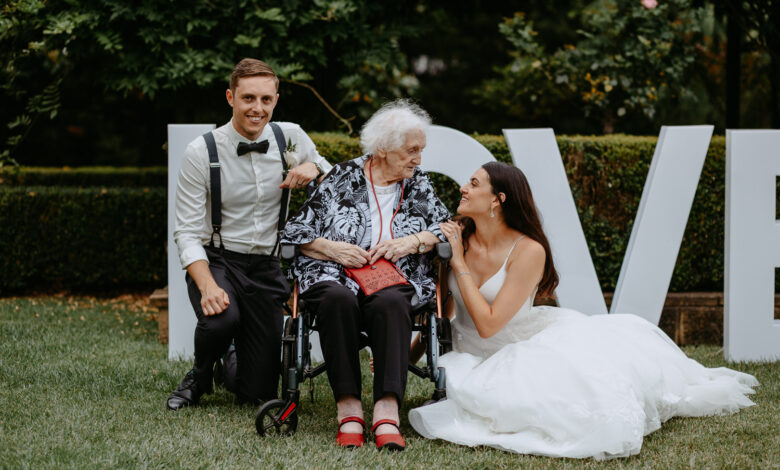
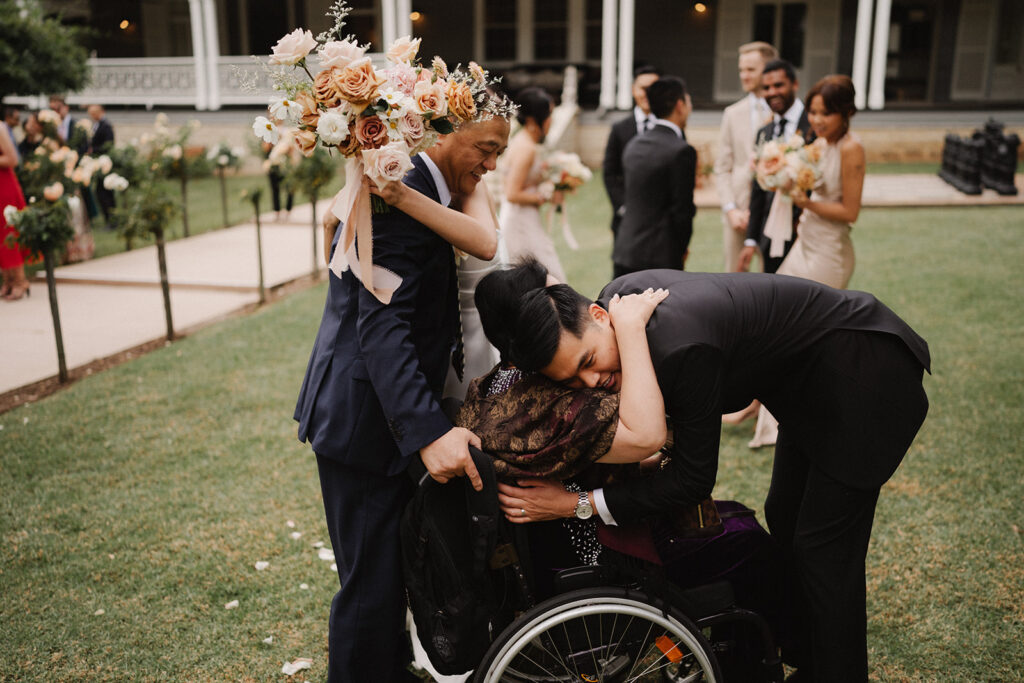
Think about it from a bride’s perspective. She has a hundred guests on her list. Statistically, several of those guests will have a disability, and a number will be older relatives who find steps, dim lighting, and cramped spaces genuinely difficult to navigate. She is not going to book a venue that cannot accommodate her grandmother’s wheelchair or her colleague’s low vision. She will find one that can—and she will book her room block there too.
Kalinya Estate is a wonderful example of well-considered event and accommodation space catering to accessibility needs. Accessibility is not a niche consideration for a wedding planner; it is a condition of the booking.
For accommodation providers, there is a compelling multiplier effect at play. When an accessible, well-considered event space attracts a wedding, a conference, or a family reunion, attendees need somewhere to stay. Guests with disabilities, older guests, and their carers do not book in isolation—they bring their group with them. Get the event space right, and you fill your rooms. Get it wrong, and you lose the booking entirely, often without the organiser ever explaining why.
Step-free access and an accessible bathroom are the baseline. They are the minimum, not the finish line. Here are five practical, often overlooked ways to make your event space genuinely inclusive.
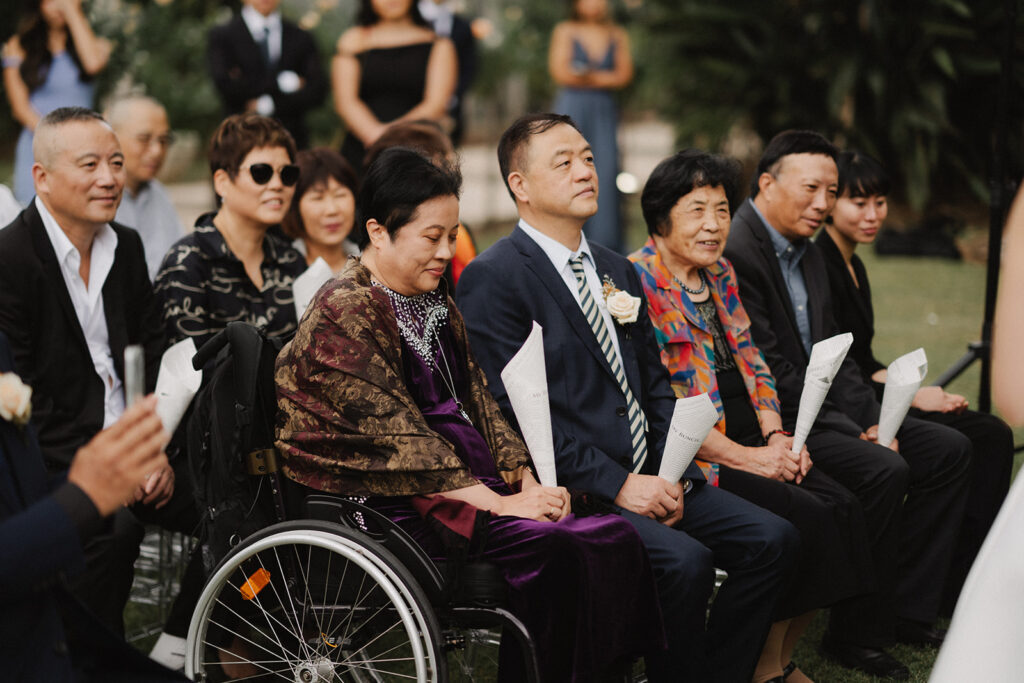
Five tips to make your event space truly accessible
1. Ditch the high-top tables
This is the single most common and most easily avoided mistake I see. High-top tables are stylish, yes, but they exclude wheelchair users completely, and they are uncomfortable for shorter guests, older guests, and anyone with fatigue or balance issues. Standard height tables allow everyone to sit together, at the same level, as equals. If you want visual variety, mix heights thoughtfully and ensure accessible seating is never segregated into a separate corner.
2. Invest in task lighting
Mood lighting sets a beautiful atmosphere, but it is the enemy of guests with low vision, cognitive disabilities, or older eyes. Ensure menus, signage, and table surfaces are adequately lit. Task lighting does not need to ruin your aesthetic—well-placed warm lighting at table level can be both atmospheric and functional. Your guests should be able to read a menu without using their phone torch.
3. Offer large-font menus as standard
A minimum 14-point font on menus is a simple, zero-cost adjustment that makes an enormous difference to guests with low vision, dyslexia, or age-related vision changes. Consider also offering a digital version guests can access on their phones and zoom as needed. While you are at it, review the contrast ratio of your printed materials—pale grey text on white is a common culprit.
4. Create clear, unobstructed pathways throughout the space
Event setups often create obstacle courses of chairs, cabling, floral arrangements, and catering equipment. For wheelchair users, scooter users, people with guide dogs, and guests with visual impairments, this is not an inconvenience, it is a barrier. Build your floor plan with a minimum 900mm clear pathway in mind, and brief your event staff to maintain those pathways throughout the event, not just at setup.
5. Train your event staff, not just your facilities team
The most beautifully accessible room can be undone by a staff member who does not know how to assist a guest with a disability with dignity and confidence. Inclusion training does not need to be lengthy or expensive. Even a one-hour session covering disability etiquette, how to offer assistance without assuming, and awareness of hidden disabilities will transform the guest experience. The people your guests encounter matter as much as the physical environment.
The opportunity is right in front of you
Event organisers—particularly those planning weddings, corporate conferences, and community gatherings—are increasingly asking about accessibility before they sign a contract. They are asking on behalf of a grandmother in a wheelchair, a colleague with low vision, a friend with chronic fatigue. When your venue can answer those questions with confidence, you win the booking. When you cannot, they move on.
The economic benefits of the accessible market are well documented. But the human case is just as compelling. Nobody should attend a conference, a wedding, or a work event and feel like an afterthought. Especially not at a disability conference.
This article first appeared in the Autumn edition of AccomNews. Click below to explore.