

Authenticity and AI: Finding the right balance
Op-Ed: Eric Wong argues that the future of hospitality lies in blending innovation with deeply human experiences for guest satisfaction

By Eric Wong, Vice President of Hospitality, Infor Asia Pacific
Balancing innovation with authentic service
One thing is constant among hotel operators: we must continually improve our service delivery as the adoption rate of technology is moving at lightspeed. Why? Because when technology is so incredibly prolific, we need proof of humanity and authenticity.
Hotel operators want to embrace technology to help them run their businesses more effectively, but not at the cost of losing their hotel’s “human touch.”
Read the latest AccomNews print edition HERE
In a world increasingly dominated by Artificial Intelligence (AI) and other technological advancements, the hospitality industry faces a unique challenge. While leveraging new technologies for operational efficiency is essential, maintaining the human essence of hospitality is paramount.
The industry must strike a delicate balance, ensuring that the pursuit of technological innovation does not overshadow the core values of service, authenticity, empathy, and delight.
The role of AI in transforming the hospitality industry is undeniable. From chatbots handling reservations to AI-driven “personalisation” of guest experiences, technology has streamlined operations and offered new opportunities for engagement. However, this efficiency comes with a caveat: the risk of depersonalising guest experiences.
As we integrate more AI, there’s a growing need to affirm our humanity and authenticity, traits that machines cannot replicate.
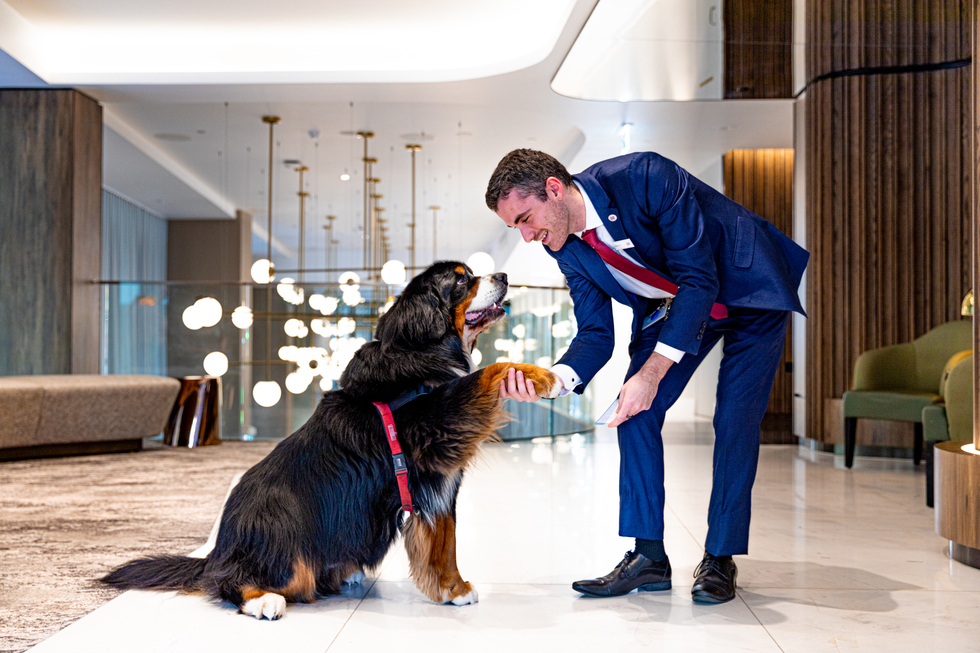
Authenticity has become a rare and valuable commodity as AI can mimic many human interactions. A study by PwC found that 80 percent of customers consider their experience as important as a company’s products, with 42 percent willing to pay more for a friendly, welcoming experience.
For the hospitality industry, this means that front-line staff interactions, from concierge services to personal greetings, must be delivered and heartfelt. Authenticity in service can create memorable experiences that no AI can replicate.
Guests seek authentic experiences, but this does not mean the trip itself. It also means how guests and employees build their relationships through connective communication.
Empathy is the ability to understand and share the feelings of another – a trait inherently human. In the hospitality industry, empathy translates into understanding guest needs, sometimes even before they articulate them. While AI can predict and analyse customer preferences, it cannot empathise.
Training staff to listen actively, show compassion, understand the challenges that guests sometimes face, and anticipate guests’ needs can significantly enhance the guest experience. According to PWC Australia, 44% of businesses successfully increase their revenues over 2 years by enhancing personalisation efforts.
Our industry thrives on friendliness and delight, profoundly human and emotional elements. A warm smile, a friendly conversation, or a joyful attitude can transform a guest’s experience. While AI can ensure that operations run smoothly, it cannot replace the warmth and personal touch that human interactions provide. Therefore, fostering a culture of friendliness and delivering delight among staff members remains a critical aspect of hospitality.
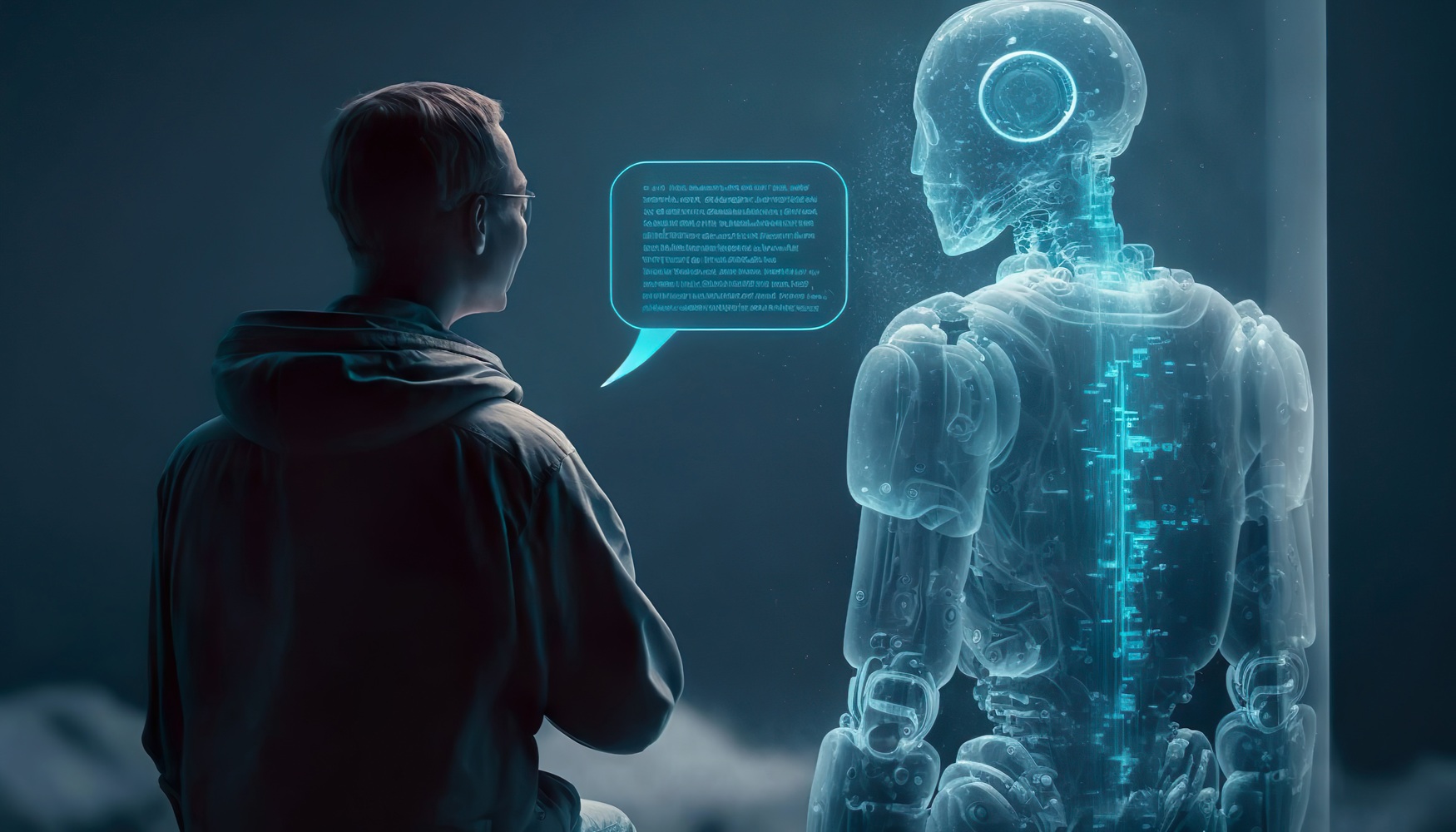
The key to successfully integrating AI in hospitality is balance. Technology should be used to enhance, not replace, human interactions. For example, while AI can handle routine tasks like booking and check-in, front-line staff can focus on providing truly personalised service and attending to unique guest needs. This approach allows technology to boost operational efficiency while letting the human element shine in personal interactions.
Can soft skills be learned? The answer is yes!
Investing in staff training and development is crucial in this tech-driven landscape. Employees should not only be tech-savvy but also trained in soft skills like emotional intelligence, cultural sensitivity, and problem-solving. This dual focus ensures that the staff can work alongside AI tools efficiently while providing empathetic and personalised service to guests.
Having high emotional intelligence allows employees to communicate effectively, form positive relationships, manage disagreements, lower stress levels, and reach your personal and work-related targets. It’s also an excellent quality for a leader to have. Research from Yale University in 2020 revealed that employees who report to bosses with high emotional intelligence are happier, plus they are more creative and innovative.
As AI continues to evolve and become more integrated into the hospitality industry, the challenge will be to use these tools to enhance human interactions rather than replace them.
The essence of hospitality is, and always will be, deeply human – characterised by authenticity, empathy, friendliness, and joy. A report by PWC finds that 88 percent of customers say a good service experience makes them more likely to buy with the same brand again.
By striking the right balance between technology and humanity, the hospitality industry can offer experiences that are both efficient, profoundly memorable, and genuine. In the future of hospitality, proof of humanity will not just be a sought-after trait but the cornerstone of guest satisfaction and industry success.