

Op-Ed: Major tournaments give hotels a sporting chance in 2025
Exclusive: JLL’s Ross Beardsell explores how hotels can maximise opportunities from Australia’s upcoming sporting events boom

The Australian tourism sector is set for a bumper calendar of major sporting events in 2025, and hotels will need to scrum down hard if they are to maximise the potential of the massive surge in inbound and interstate travel.
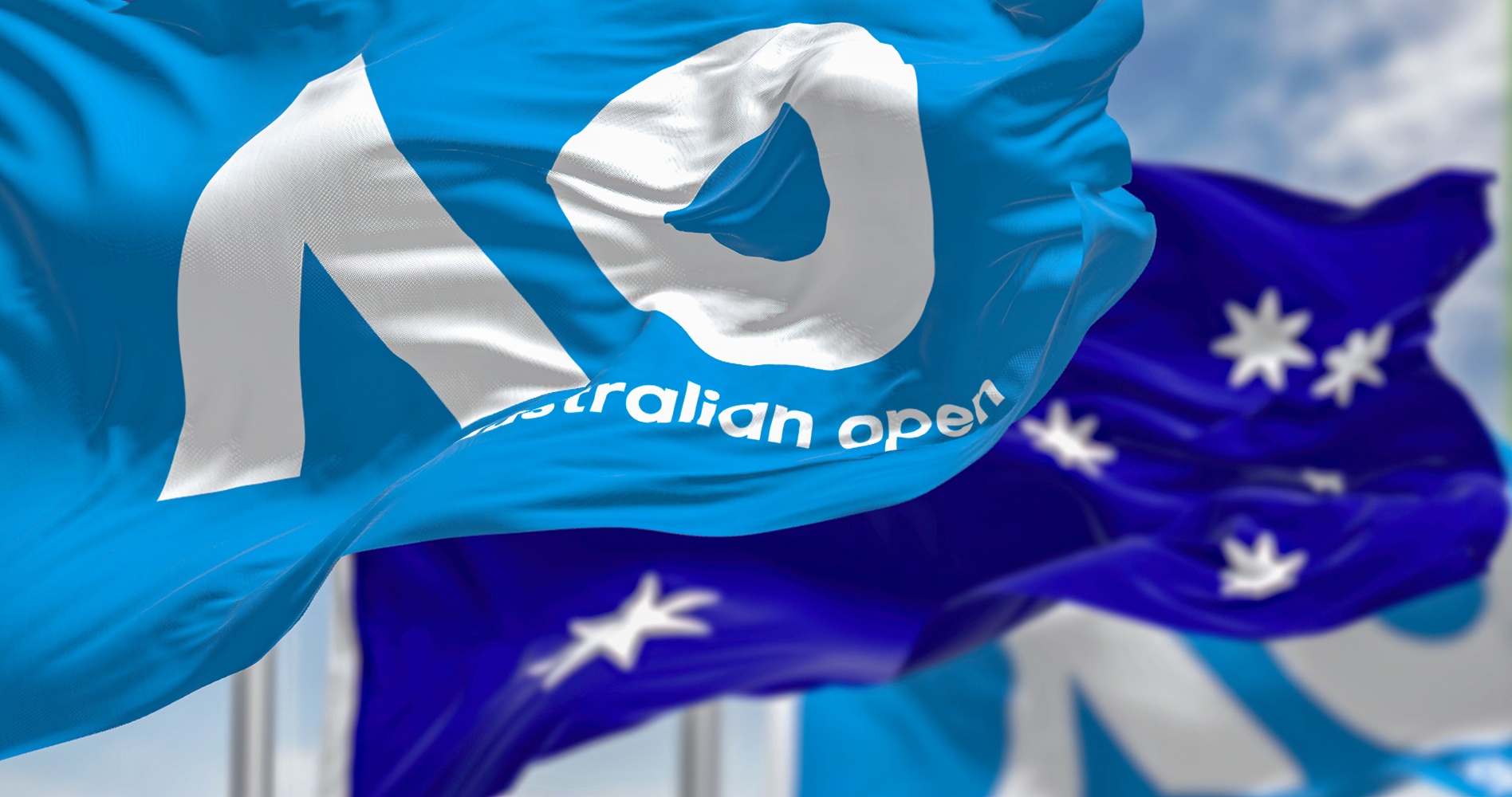
There weren’t Aussies in either the men’s or women’s finals of the Australian Open, but there’s no doubt that Australia and Melbourne were the winners when it came to the economics of the event.
This year’s Australian Open was attended by over 1.1 million over 15 days, an increase of 83,540 on the previous record set last year. NAB estimates that this has translated into spending of $111 million on accommodation and more than $275 million across Melbourne’s restaurants and bars.
Ascott reported a 16 percent increase in demand for their Quest, Citadines, Oakwood and Lyf hotels over the Australian Open fortnight compared to 2024.
Fortunately, the tennis is just the first ace of the year in what will be one of the most productive sporting calendars for Australian hotels in many years.
While the Australian Open and the Australian Grand Prix come to our shores annually, what makes 2025 special is that Australia will also host an Ashes cricket tour, which happens only every four years, and the blockbuster British & Ireland Lions rugby union tour that last occured 12 years ago.
The Lions tour involves nine games across six cities in June and July, with over 40,000 inbound visitors expected, with packages already selling well in the UK, Ireland and local markets.
According to the Australian Bureau of Statistics, the 2013 tour generated $150 million for the economy. The impact was reflected in a 64.6 percent spike in visitor numbers from the UK in June 2013.
The Brits and Irish will be coming over in their tens of thousands anticipating a repeat of the 2013 success, and even England’s Barmy Army is expected to invade Australia in record numbers at the end of the year in the forlorn hope that Bazball can recapture the Ashes after three series of being smashed downunder.
Last summer’s India cricket tour of Australia attracted record crowds, but the Ashes contest against England remains the pre-eminent event for generating visitor numbers, hotel stays, and tourism spend.
A large percentage of the 30,000 visitors forecast to fly into Australia for the Ashes will stay around 30 days and spend over $10,000 per person in a $400m bonanza for Australian tourism and hotels.
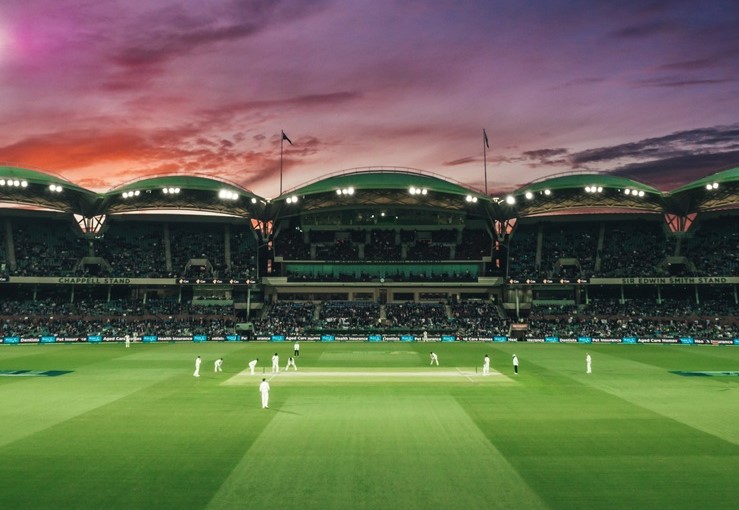
It’s not just traditional sports such as cricket, rugby and tennis boosting the visitor economy. Perth and Adelaide performed strongly over the holiday period by hosting road world-class cycling events.
State governments are increasingly appreciating the demand driving potential of major sporting events through significant sponsorships. In October 2024, the NSW Government released its review of the Visitor Economy Strategy 2030, increasing its growth target to $91 billion of annual visitor expenditure by 2035, with sporting events identified as key drivers for the increase.
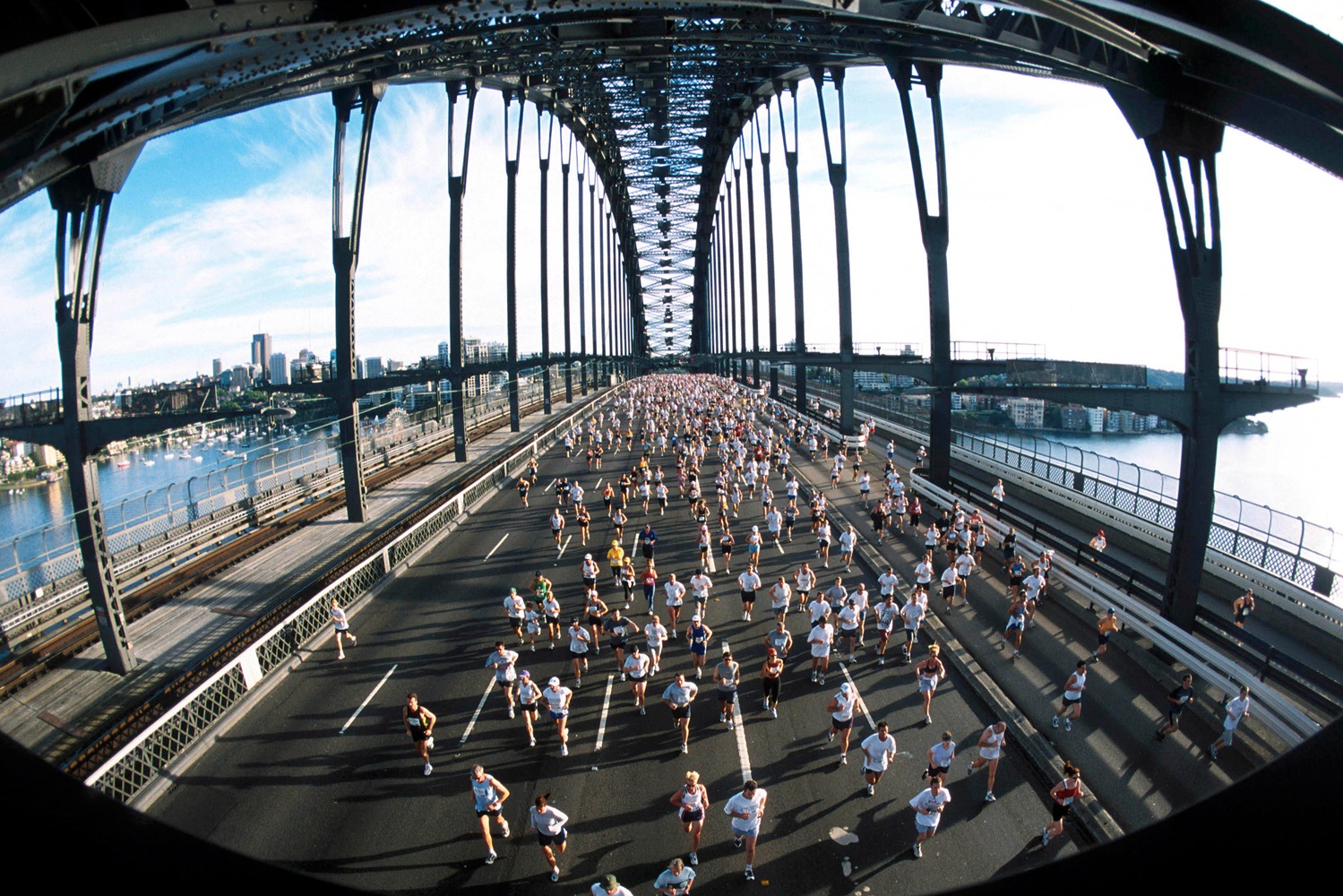
This translated into sponsorship of the Sydney Marathon, which has been elevated to World Marathon Major status, leading to a surge in demand from international runners. The event’s first-ever ballot attracted more than 79,000 applications for the 35,000 positions on the starting line in August.
Water sports such as surfing, Ironman and marathons are massive drivers of hotel occupancies in coastal centres such as the Sunshine Coast and Gold Coast, while inland, trekking, mountain biking and exotic events such as the Finke Desert Race have built solid visitor bases.
How can hotels leverage the sporting events boom?
Accor and IHG have been at the forefront of sporting events sponsorship and activation, utilising their loyalty programs to provide unique offers that sometimes even money can’t buy.
Accor has the advantage of having the naming rights for one of Australia’s largest and highest profile stadiums – the Accor Stadium at Sydney Olympic Park. They also have most rooms at Sydney Olympic Park, enabling them to capture large volumes of team and visitor business.
This provides Accor with the opportunity to offer exclusive ALL Limitless Experiences to their loyalty members for events such as the Race of Champions being held at Accor Stadium in March, featuring the likes of Sebastian Vettel, Mick Schumacher and Jamie Whincup in what is being touted as ’the greatest race on the planet’.
At the Australian Open, Sofitel Melbourne on Collins established a tennis pop-up in Sofi’s Lounge for guests and the general public featuring a giant TV screen, deck chairs, and a Pommery Champagne Lounge bringing the atmosphere of the ‘Summer of Tennis’ to life.
They also made the most of a partnership with Olympic gold medallist Qinwen Zheng by hosting a VIP event for guests and partners prior to her appearance at the Open.
IHG will be banking on their 20-year partnership with Australian Rugby to capitalise on rugby union’s biggest year in Australia for over a decade. Last year, they used the sponsorship to provide exclusive packages for IHG One Rewards such as the ‘Ultimate Bledisloe Cup Weekender Package’, which sold out within minutes of its release.

The bigger picture is converting guests staying for a sporting event into a long-term brand supporter. As AccomNews Editor, Mandy Clarke, pointed out in an article a few weeks ago, “events like the Australian Open aren’t just about maximising revenue through elevated rates; they present a prime opportunity to create value that transforms first-time visitors into loyal guests.”
Sports travellers are passionate about their hobbies and are happy to spend their money with hotel operators who understand and cater for their interests. It doesn’t necessarily mean dressing up a hotel in team colours, but if a hotel group seriously wants to ace the sports market (worth an estimated USD701 billion globally), a dedicated business development, marketing and activation strategy should be an essential priority.