
Op-Ed: Australian hotel performance set to return to ‘near normal’ trading conditions
Exclusive: A massive Chinese incentive group, a series of bumper sporting events, the rise of ‘premium leisure’ travel and lower interest rates set the scene for resilient market performance by the Australian hotel industry in the second half of 2025, forecasts JLL’s Ross Beardsell.

The sight of 16,000 international delegates arriving in Melbourne in late April for the Amway China Leadership Seminar was welcomed by local hoteliers as much as the smell of octane during the Australia Grand Prix and the intensity associated with hosting the Australian Open tennis tournament.
Amway China’s top sellers arrived in groups of 2500 delegates, staying in Melbourne’s top-end hotels such as Sofitel, Pullman, Grand Hyatt and the Pan Pacific, and experienced business seminars, tours, and a gala dinner, delivering an estimated $100 million in economic impact for the State.
Sydney hoteliers had witnessed the remarkable impact of the first Amway incentive event when 8000 delegates arrived in chartered jumbo jets in January 2011, turning a traditionally soft month into an unexpected and unbudgeted improvement in bottom-line performance.
The significance of the Melbourne Amway event went well beyond the sugar hit to hotel GOPs; it filled in a missing piece in Australia’s tourism recovery jigsaw puzzle.
While Chinese FIT, VFR, and student travel have shown strong revival in the past two years, the group market remains slow to recover to 2019 levels. The success of the Amway incentive—believed to be the largest of its kind in Australian incentive travel history—could help kickstart the wider renaissance of Chinese group travel to Australia.
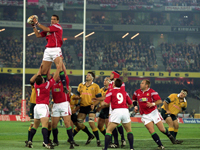
Another group that had been absent from Australian shores for over a decade was the British and Irish Lions, who last conquered Australia back in 2013. While Aussies might have regretted the 2-1 loss, every hotelier was pleased to welcome the 30,000 international visitors who travelled to Australia for the tour.
The Lions will return to Australia from late June to early August for nine matches, including three Test matches against the Wallabies, and six tour games around the country. This time, they are expected to come with 40,000 fans, while interstate and regional travel is expected to produce sell-outs everywhere the Lions roar.
That will do a lot to address hotels‘ usual winter malaise, and the year will end with another English invasion, this time for the Ashes. While the team is expected to struggle far more than their rugby counterparts, the spectator caravan is expected to deliver a similar boost in high-yielding international visitors to the five State capitals during another traditional low-volume period in the calendar.
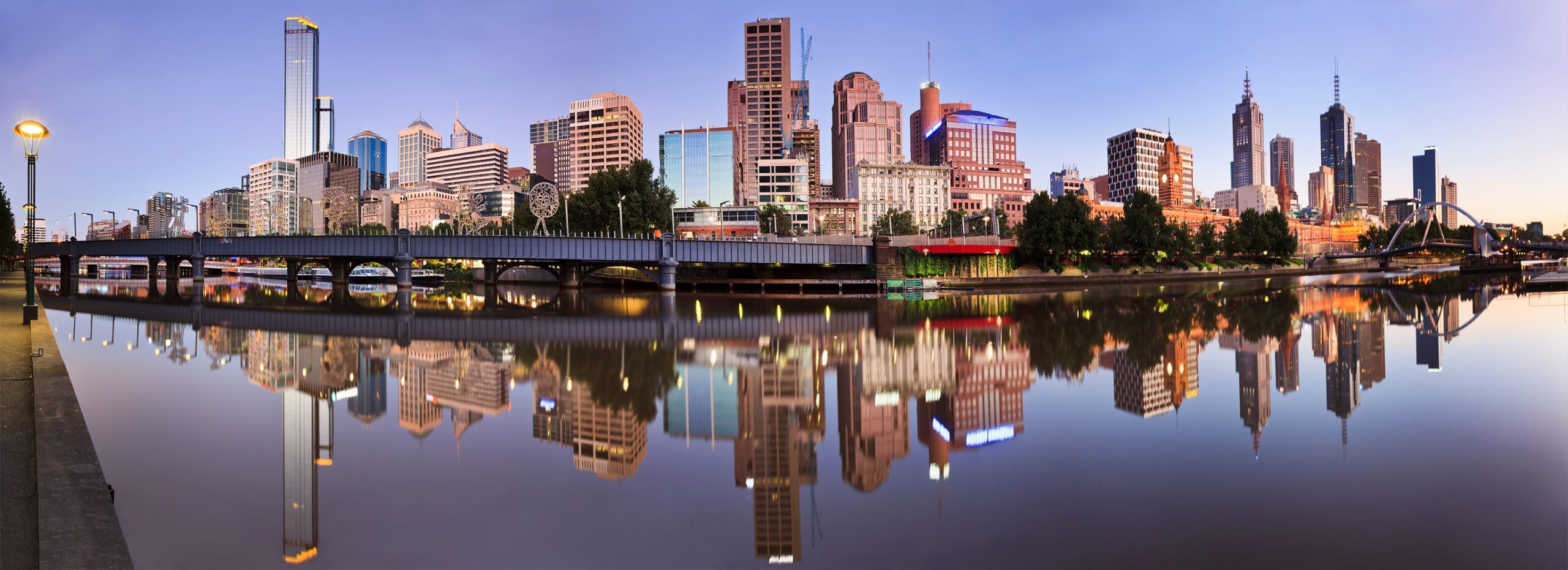
Melbourne has undoubtedly benefited significantly this year from major events, and the strategy has created a new class of ‘premium leisure’ travellers who are prepared to spend heavily on attending exceptional sporting events.
Next year, Melbourne ups the ante further with a regular round of the American NFL, which will attract a completely new market, and as with the Grand Prix and Australian Open, they are likely to be high-yield visitors who extend their stay well beyond the event.
Melbourne’s investment in sporting infrastructure is undoubtedly paying dividends, particularly making Marvel Stadium an all-weather solution for sporting and entertainment events.
While it could be argued that these events are almost ‘one-offs’ that inflate the performance of CBD hotels, my colleague Joseph Sim has identified other areas that highlight that the Australian hotel industry might be returning to ‘near normal’ performance.
“Sydney will have its share of events to boost occupancy, but the return of corporate and conference business has helped Sydney outperform other Australian cities on rate, with RevPAR 5 per cent higher for the year to March 2025,” said Joseph.
“Occupancy was only slightly below 2019 levels and Sydney will have Vivid, the Lions tour, a concert tour by Usher, and SWSX Sydney – which attracted 92,000 unique visitors from 56 countries in 2024 – to maintain the momentum. If Melbourne is considered the sporting capital of Australia, Sydney can claim the technology events capital, with the ICC hosting 35 major tech and creative events in 2025.”
Beyond Sydney and Melbourne, Adelaide has also successfully targeted major sporting and industry events to attract large audiences who are likely to return for future visits. The South Australian State Government takes tourism seriously, attracting new international routes and carriers, with hotels benefiting as a result.
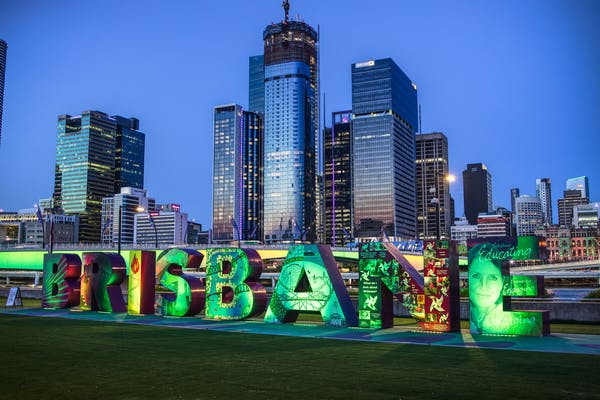
In Brisbane and Southeast Queensland, the surge towards the finishing line of the 2032 Olympic Games is set to drive significant economic activity, and Western Australia continues as a minerals and resources powerhouse. Perth hotels led the way in Australia last year with an average annual occupancy rate of 79.4 per cent, and despite geopolitical world economic disruption, the city’s stellar hotel performance hasn’t dimmed.
While there are some headwinds with operational costs, including energy, payroll, and food and beverage prices, on the plus side, hotels will continue to rebuild corporate and conference and events business while also benefiting from robust State, Territory, and city event calendars.